Empanada Gallega (Tuna) Recipe – Simple & Traditional
A practical, traditional recipe
Empanada gallega is a large, baked savory pie from Galicia, typically filled with a slow-cooked mixture of onion, pepper, and tuna.
When many people think of empanadas, countries like Argentina or Colombia usually come to mind. But the dish has deep roots in Spain, with versions like this one in Galicia dating back centuries.
Unlike smaller, individual empanadas found elsewhere, this is made as one large pie and sliced. It’s commonly eaten warm or at room temperature and is a staple in bakeries across the region.
This is the most common version (tuna), though fillings vary across Galicia depending on the region and season.
| Servings & Time | |
|---|---|
| Servings | 6-8 |
| Makes | 1 large empanada (9×13 inch / 23×33 cm) |
| Prep Time | 25 minutes |
| Cook Time | 35-45 minutes |
| Total Time | ~ 1 hour 30 minutes |
Ingredients
Dough
- 3 cups (375g) all-purpose flour
- ½ cup (120ml) olive oil
- ½ cup (120ml) water or dry white wine
- 1 tsp salt
- 1 tsp sweet paprika (optional)
- 2–3 tbsp reserved oil from the filling (optional, traditional)
- 1 egg (for brushing)
Filling (Atún/Tuna)
- 1 large onion (about 250–300g), finely chopped
- 1 red bell pepper, finely chopped
- 1–2 ripe tomatoes (grated or finely chopped, excess liquid removed)or ~½ cup thick tomato sauce
- 2 cans tuna in olive oil (drained, reserve some oil)
- ¼–⅓ cup olive oil
- Salt
- 2 hard-boiled eggs (optional)
Equipment
- Large skillet or pan
- Mixing bowl
- Rolling pin
- Knife
- Baking sheet or pan (9×13 inch / 23×33 cm or similar)
- Parchment paper
Step 1: Make the Filling
This is the base of the empanada and should be done first.
- Heat olive oil over medium-low heat
- Add the chopped onion and cook slowly until soft and translucent (not browned)
- Add the red pepper and cook until tender
- Add the tomato and cook until the mixture thickens and excess moisture cooks off
- Stir in the tuna (flaked)
- Season with salt
The filling should be moist but not wet — it should hold together with little visible liquid.
Let it cool completely before assembling.
Step 2: Prepare the Dough
- In a bowl, mix flour and salt
- Add olive oil, water (or wine), and paprika (if using)
- Optionally add 2–3 tbsp of the reserved oil from the filling
- Mix and knead until smooth (5–8 minutes)
- Let the dough rest for 20–30 minutes
The dough should be soft and pliable, not elastic like bread dough.
Step 3: Assemble
- Preheat oven to 180°C / 350°F
- Divide dough into two pieces (bottom layer slightly larger)
- Roll out the base to about 2–3 mm thick and place on a parchment-lined baking sheet
- Spread the filling evenly, leaving a small border around the edges
- (Optional) add sliced hard-boiled eggs on top
- Roll out the top layer and place over the filling
- Seal the edges by folding and crimping by hand
- Cut a small hole in the center (to allow steam to escape)
- Brush the surface with beaten egg
The dough should be relatively thin — this is not meant to be thick or bready.
Step 4: Bake
- Bake for 35–45 minutes, until golden brown
Let the empanada rest for 15–20 minutes before slicing.
Shaping and Finish
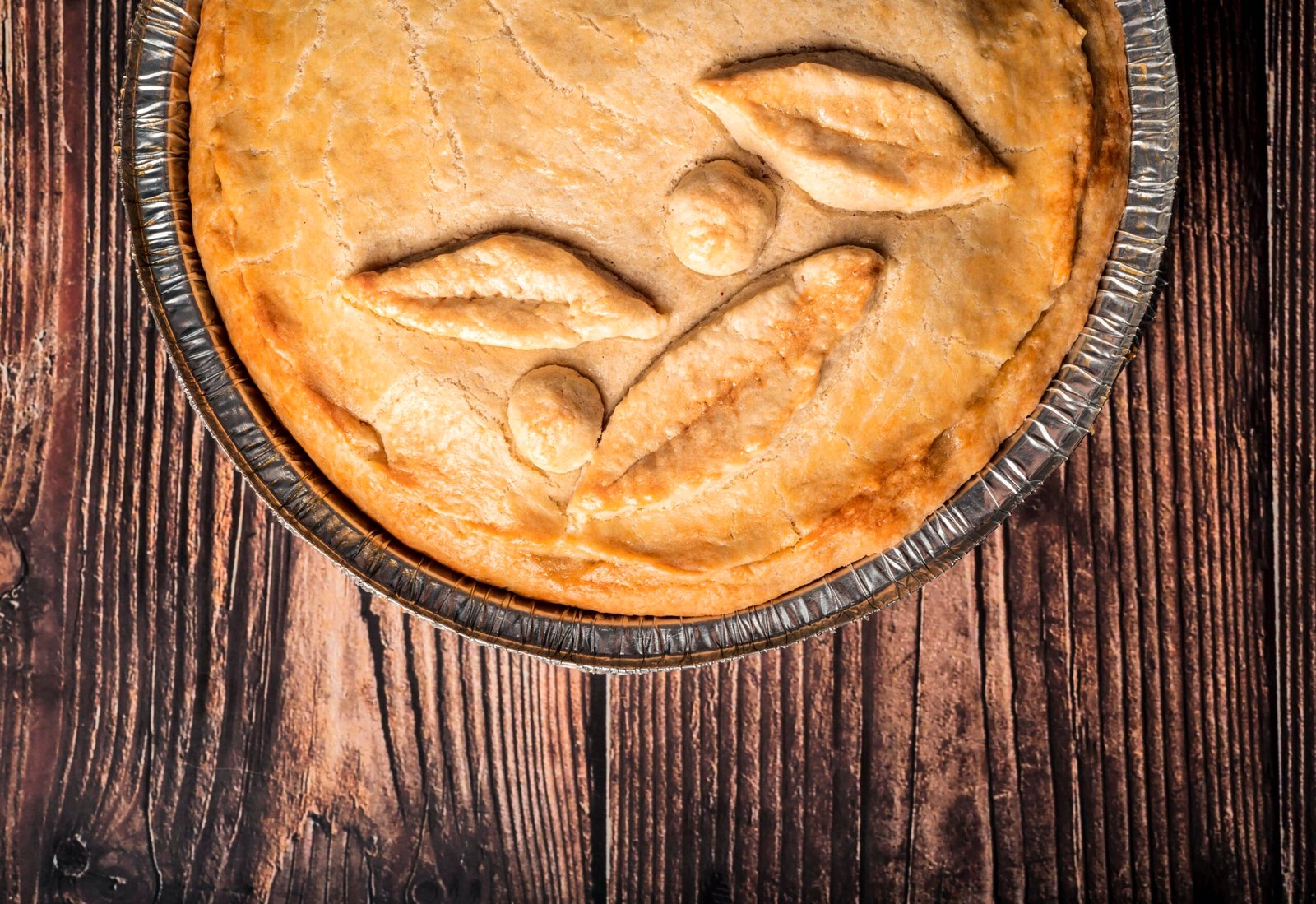
Empanada gallega is usually rectangular or round, with a simple, rustic appearance.
- Keep the shape clean and practical
- Crimp the edges by hand
- Avoid over-decorating
A small center hole and an even golden finish are the key visual markers. Some versions include simple dough strips or small slits on top, but decoration is minimal.
Storage & How Long It Keeps
- Room temperature: Up to 1 day, covered
- Refrigerator: 3–4 days, well wrapped
- Freezer: Up to 2 months
Reheat in the oven at a low temperature (300–325°F / 150–160°C) until warmed through, or serve at room temperature.
Additional Information
Notes
- Empanada gallega is often best the day it’s made or the next day
- Avoid microwaving if possible — it softens the crust
- If refrigerated, let it sit out briefly before serving for better texture
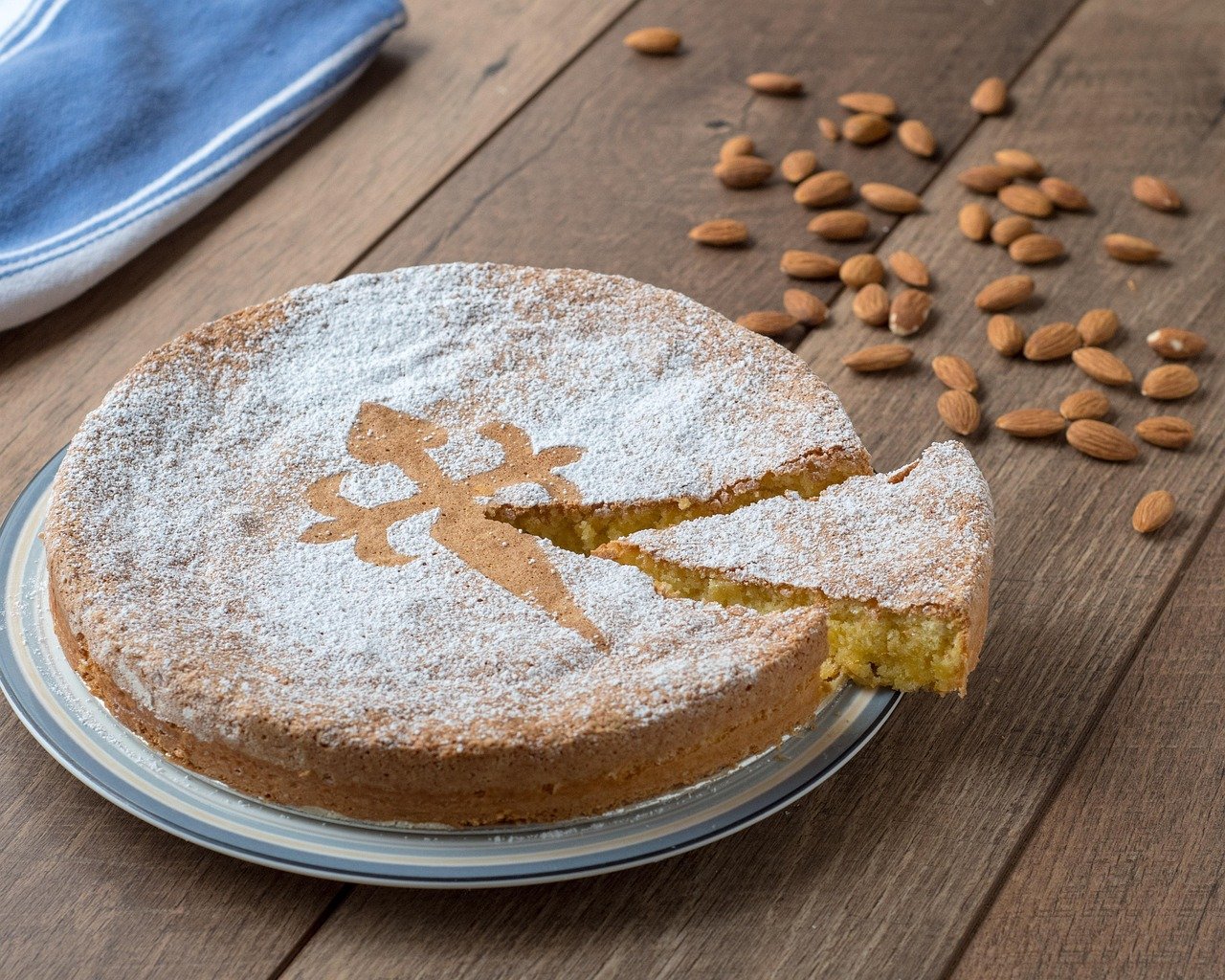
- Serve with a traditional dessert like Tarta de Santiago for a full Galician meal, or see our guide to Galician food for more dishes to try
Common Mistakes
- Filling too wet → leads to a soggy base
- Dough too thick → makes it heavy instead of light
- Skipping the resting time → filling won’t set properly
Related Reading
Easy & Simple Tarta de Santiago Recipe
13 Essential Galician Dishes to Try
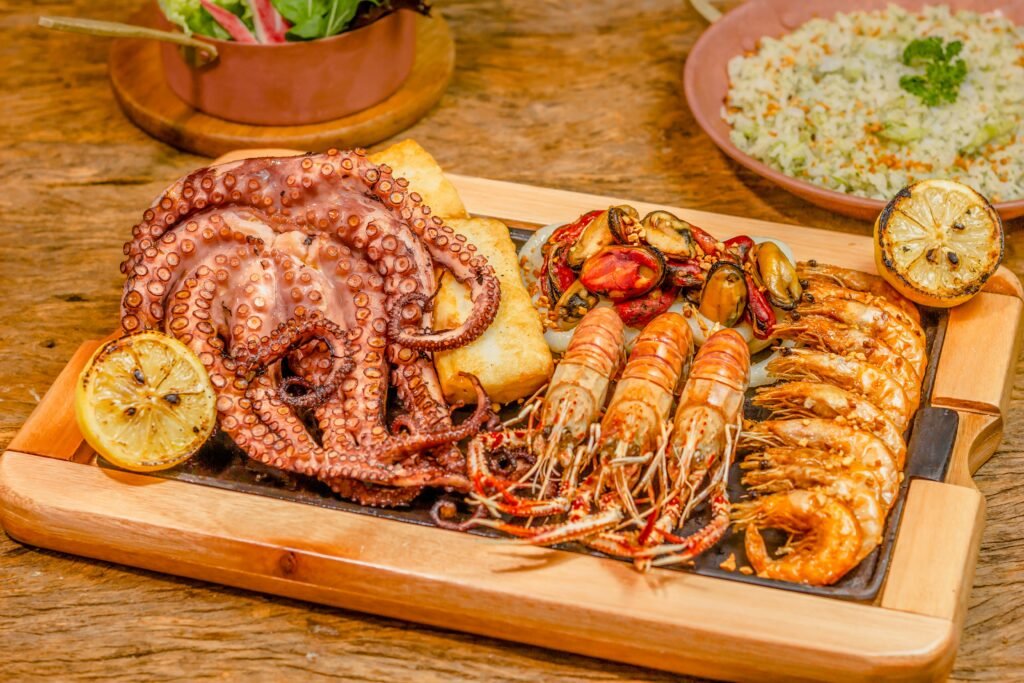
What is Galician Cuisine? A Complete Beginner’s Guide
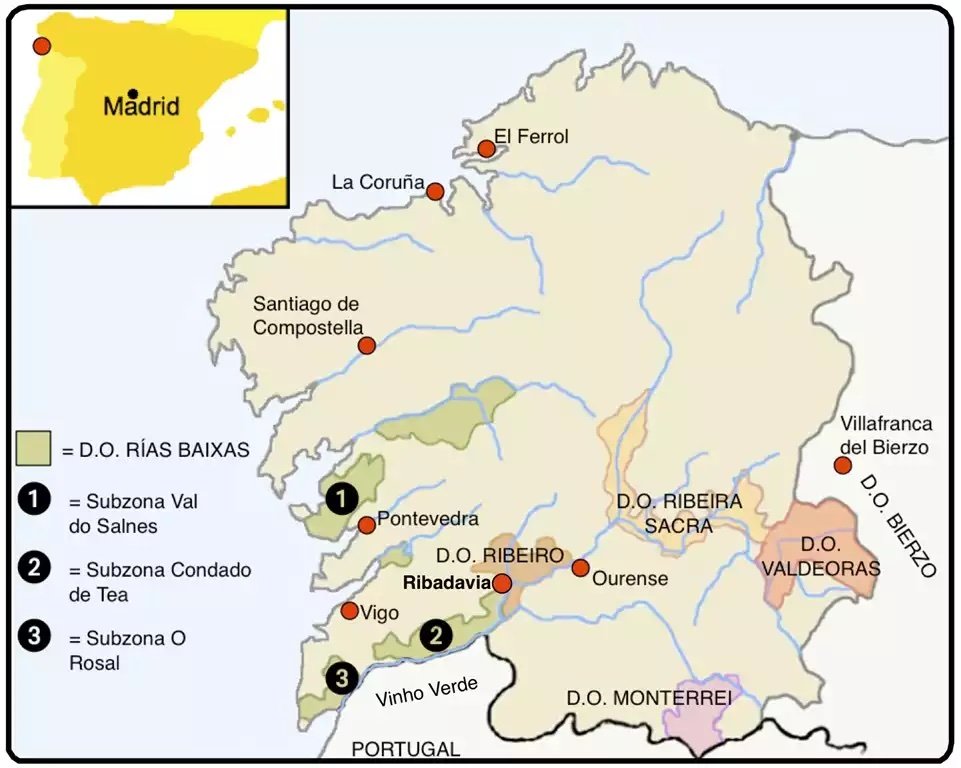
The Wines of Galicia: An Overview of All Four Major Regions
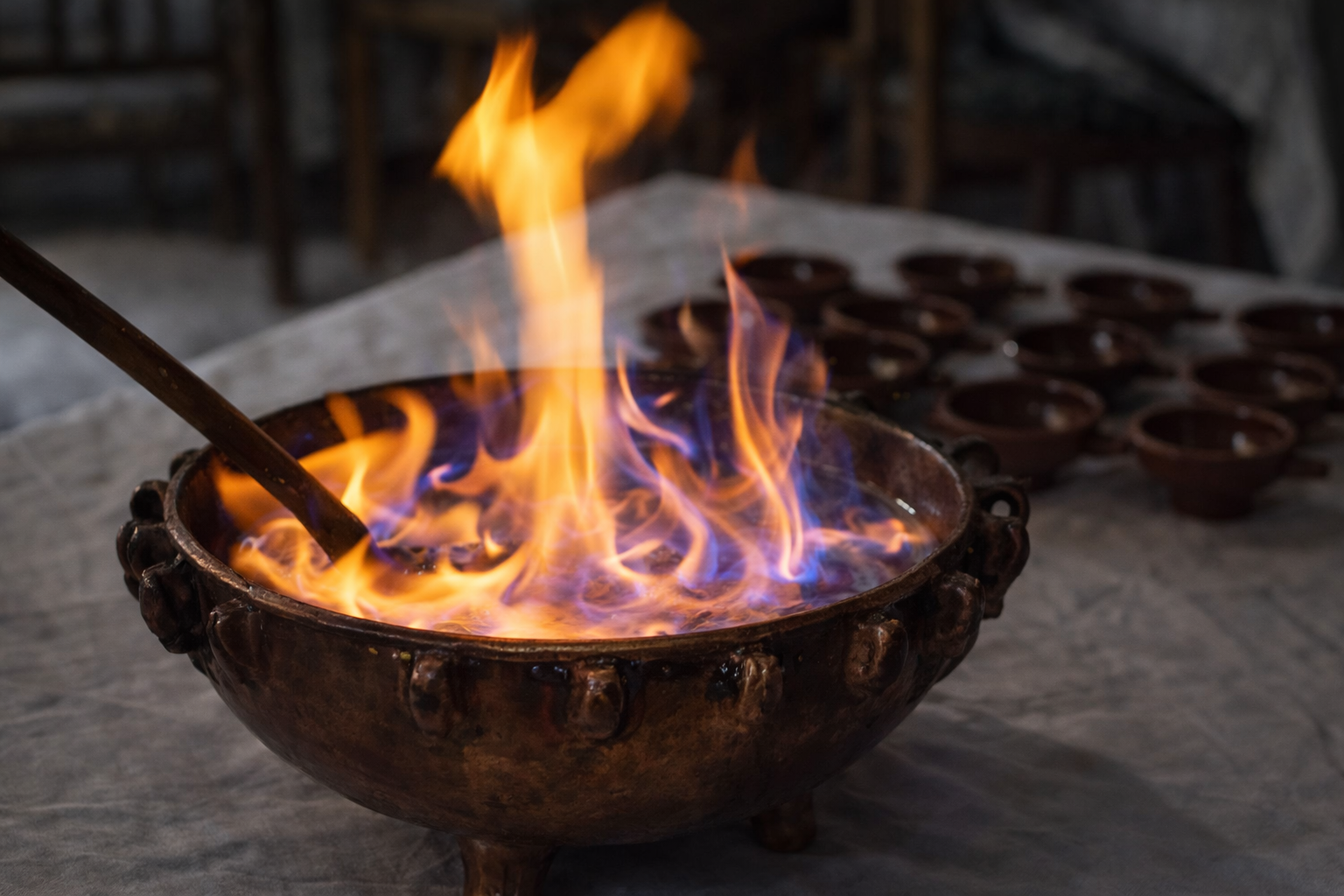
Traditional Galician Drinks: From Queimada to Licor Café