
The Camino de Santiago: History, Meaning & What to Expect
For many walkers, the Camino begins long before the first step. Dawn breaks over quiet villages, the smell of eucalyptus drifts through Galician forests, and church bells echo across old stone streets. The path winds through green hills, coastal inlets, and centuries-old towns where pilgrims have passed for generations. Whether you come for reflection, adventure, or tradition, the Camino greets you with a landscape shaped by history and hospitality.
What is the Camino de Santiago?
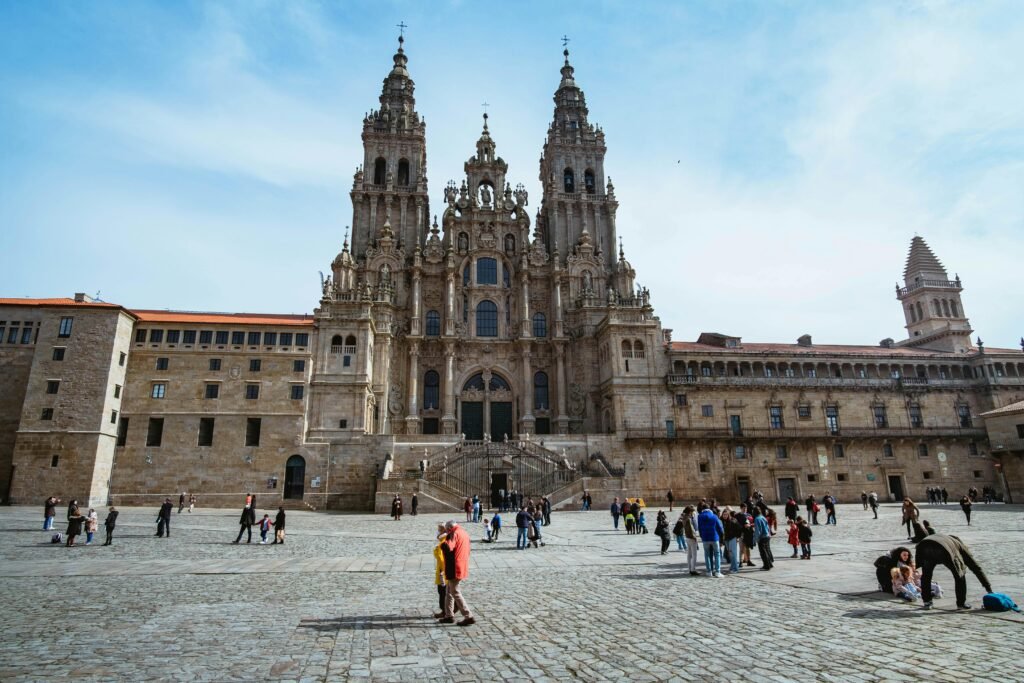
The Camino de Santiago, or The Way of St. James, is a network of pilgrimage routes across Spain and throughout Europe that converge at the Cathedral of Santiago de Compostela. Inside the cathedral rests a shrine to the apostle James. According to tradition, his remains were buried on the very ground the cathedral now occupies.
Today, the Camino functions both as a religious pilgrimage and as a cultural route shaped by centuries of travel, settlement, and shared tradition.
The Legend
The Historia Compostelana, commissioned by Bishop Diego Gelmírez, recounts that James preached the Gospel not only in the Holy Land but also in Hispania (present-day Spain). After his martyrdom in Jerusalem, his followers transported his body back across the Mediterranean, landing in Padrón on the Galician coast and carrying him inland to the site of modern Santiago de Compostela.
In the 9th century, a hermit named Pelagius began witnessing mysterious lights and unusual phenomena near this area. A local bishop investigated, and together they uncovered a stone sepulchre containing the remains of three men—identified as James and two of his disciples. King Alfonso II of Asturias ordered a chapel built on the site, which later became a church and, ultimately, the cathedral known today. The route the king followed—the Camino Primitivo—became the earliest established pilgrimage route and a foundational path for medieval pilgrims.
The Scallop Shell Symbol
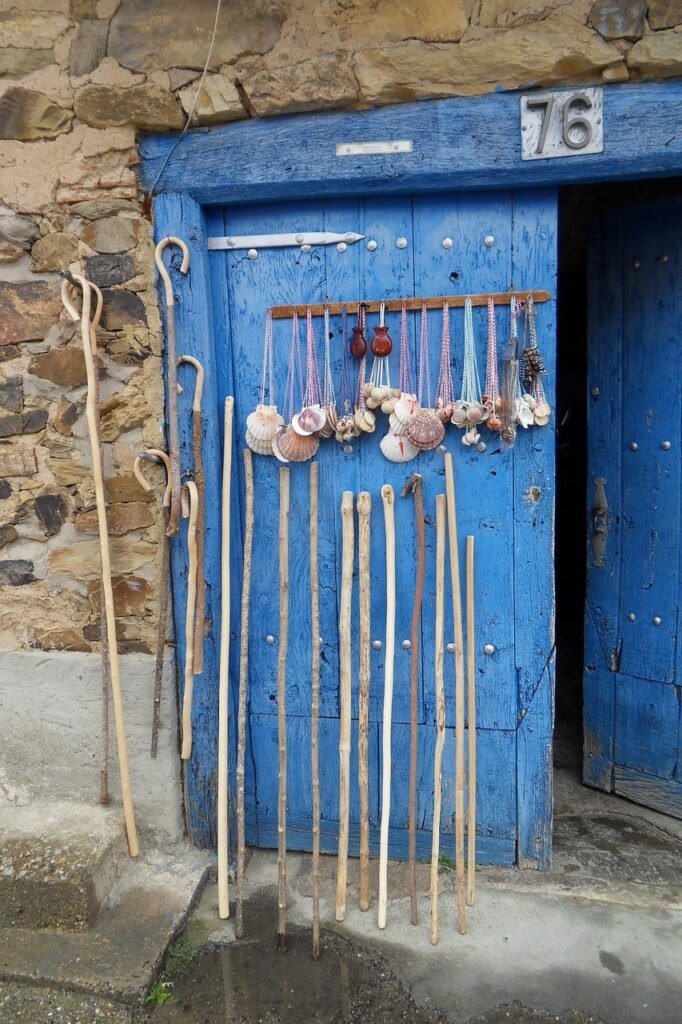
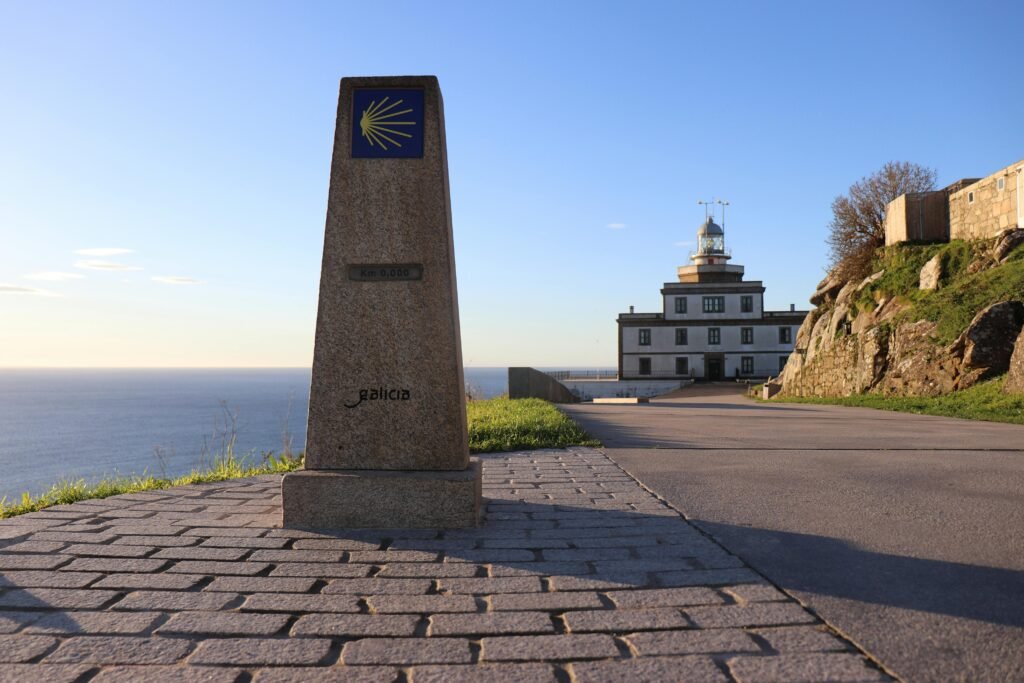
The scallop shell is the most recognizable symbol of the Camino, marking routes and appearing on pilgrim badges along the way. Its origins are partly practical and partly symbolic. Medieval pilgrims often carried shells as proof they had reached the coast of Galicia, attaching them to clothing or packs. Over time, the shell came to represent movement toward a shared destination, its radiating lines echoing the many paths that converge on Santiago. Today, it functions less as decoration and more as quiet orientation, a reminder that the Camino is defined by direction rather than distance.
The Pilgrimage Since the Middle Ages
From the moment James’s relics were said to be discovered, pilgrims began making the journey to Santiago. Interest surged again in the 1990s, and in 2024 nearly half a million people completed the pilgrimage. While many still walk for spiritual or religious reasons, just as many do it for adventure, physical challenge, reflection, digital detox, or connection with others. You don’t have to be religious to find meaning on the Camino—its impact is deeply personal and open to all.
How Do You Do It?
There are numerous routes beginning in Spain, Portugal, France, and beyond. If you want help choosing the path that matches your goals, pace, or time frame, see our guide to Camino routes. You can walk for weeks, days, or simply the final stretch. To receive the official Compostela certificate, you must complete the last 100 kilometers into Santiago de Compostela.
When to Go
The Camino is walkable year-round, but the experience shifts with the seasons.
- Summer offers long days and warm weather, but also the heaviest crowds—albergues fill fast, and the social aspect peaks.
- Spring and fall are quieter, with mild temperatures and steady accommodation availability.
- Winter is the most solitary season; some albergues close, and weather can be unpredictable, but those who walk then often enjoy a reflective, peaceful atmosphere.
Getting There
If you plan to start your Camino within Galicia, cities like Ferrol, A Coruña, Sarria, Tui, and Ourense are the most common starting points. All are connected by trains, buses, or nearby airports, making it easy to begin your journey within the region. Many pilgrims also arrive in Galicia after starting farther away—such as Porto, Oviedo, León, or even France—and walk the final stages into Santiago.
Safety on the Camino
The Camino is known for being safe and well supported. Routes are clearly marked, pilgrims are a constant presence, and most stages pass through towns accustomed to helping walkers. Standard travel sense applies: avoid walking in the dark, keep valuables secure, and pay attention to weather. Pharmacies and clinics along the way make it easy to handle any minor issues.
Accommodations
Most pilgrims stay in albergues—hostels created for Camino travelers. They range from simple municipal or parish options to more comfortable private ones. Beds are usually first come, first served, so arriving earlier in the afternoon helps. Many offer communal meals, kitchens, or outdoor spaces where walkers naturally gather.
If you prefer more privacy or comfort, hotels, pensions, and rural guesthouses are available along nearly every major route.
The Pilgrim Passport
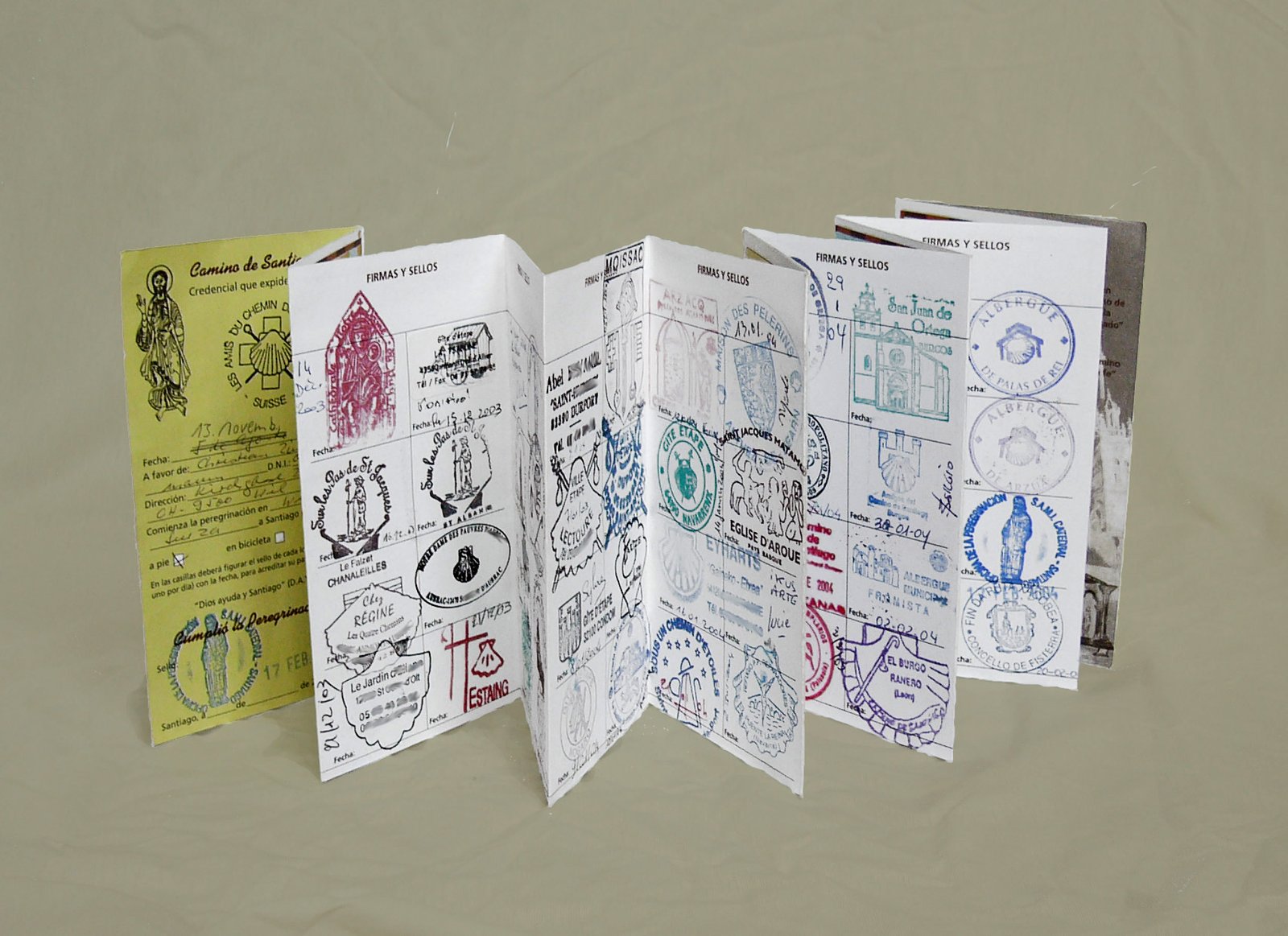
To stay in albergues and qualify for the Compostela, you’ll carry a Credencial, or pilgrim passport. You collect stamps (sellos) at albergues, cafés, churches, and tourist offices along the way. Once in Santiago, the Pilgrim’s Office reviews your stamps—especially from the last 100 km—before issuing your certificate.
Why Galicia Matters
Galicia is inseparable from the identity of the Camino. Its landscape—forests of eucalyptus, rolling green hills, stone villages, and coastal inlets—creates a distinctive final stretch unlike any other region along the pilgrimage. Its people, cuisine, and traditions shape the culture of hospitality that pilgrims talk about long after they return home. For many walkers, arriving in Galicia feels like crossing into a space where the rhythm of the Camino settles into something both peaceful and profound.
Conclusion
The Camino blends centuries of legend, history, culture, and personal challenge into one of the world’s most unique journeys. Whether your motivation is spiritual, adventurous, or simply the desire to disconnect and reflect, the Camino offers a rare environment for connection—with yourself, with others, and with a tradition that has shaped Galicia for more than a millennium. Its supportive infrastructure, natural beauty, and deep sense of community make it accessible to almost anyone ready to lace up and begin.
Plan Your Camino

Best Shoes for the Camino de Santiago

Which Camino Route is for You?

Essential Camino Packing Guide: What you Really Need

Best Backpack for the Camino (2026 Guide)

How Much Does It Cost to Walk the Camino? Budget vs. Comfort Travelers
