What Is Galician Cuisine?
A Complete Beginner’s Guide
Galician cuisine surprises almost everyone who tries it. Shaped by the Atlantic, rooted in rural tradition, and defined by simplicity, it offers some of the most authentic and unforgettable flavors in Spain. This guide gives you a clear introduction to what makes Galician food unique.
Galicia’s cuisine is one of the most surprising and distinctive in Spain — shaped by the Atlantic Ocean, fertile farmland, and a deep respect for simplicity. While many visitors arrive expecting typical Spanish staples like paella or tapas, Galicia has its own culinary identity, influenced by centuries of tradition, Celtic roots, and a landscape that produces some of Europe’s finest seafood.
This guide gives you the foundation:
what defines Galician food, the ingredients locals rely on, how meals are structured, and what makes the region’s cooking so different from the rest of Spain.
What Makes Galician Cuisine Unique?
3 Forces Shape Galician Cooking
1. The Atlantic Ocean
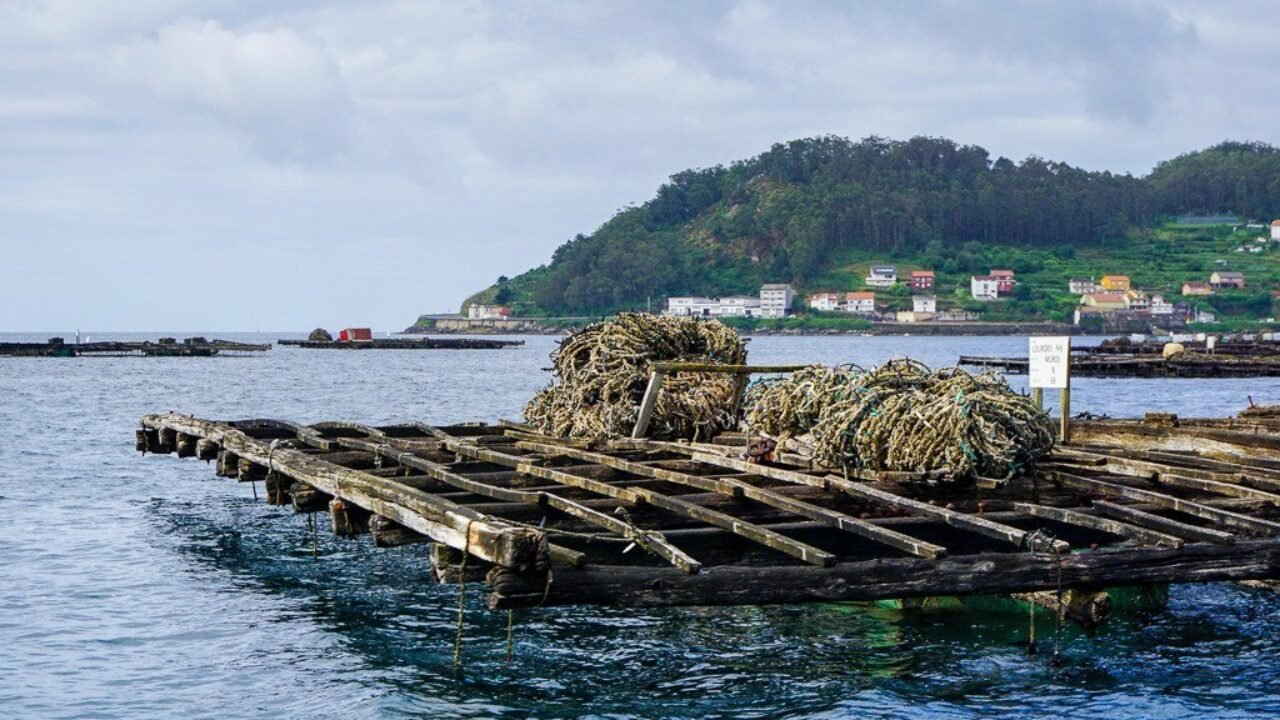
The coastline is long, jagged, and rich in marine life.
Galicia’s reputation for seafood isn’t marketing — it’s reality.
What makes it special:
- Cold Atlantic waters
- Rocky coves and estuaries (rías)
- Mussel farms (bateas)
- Traditional fishing villages
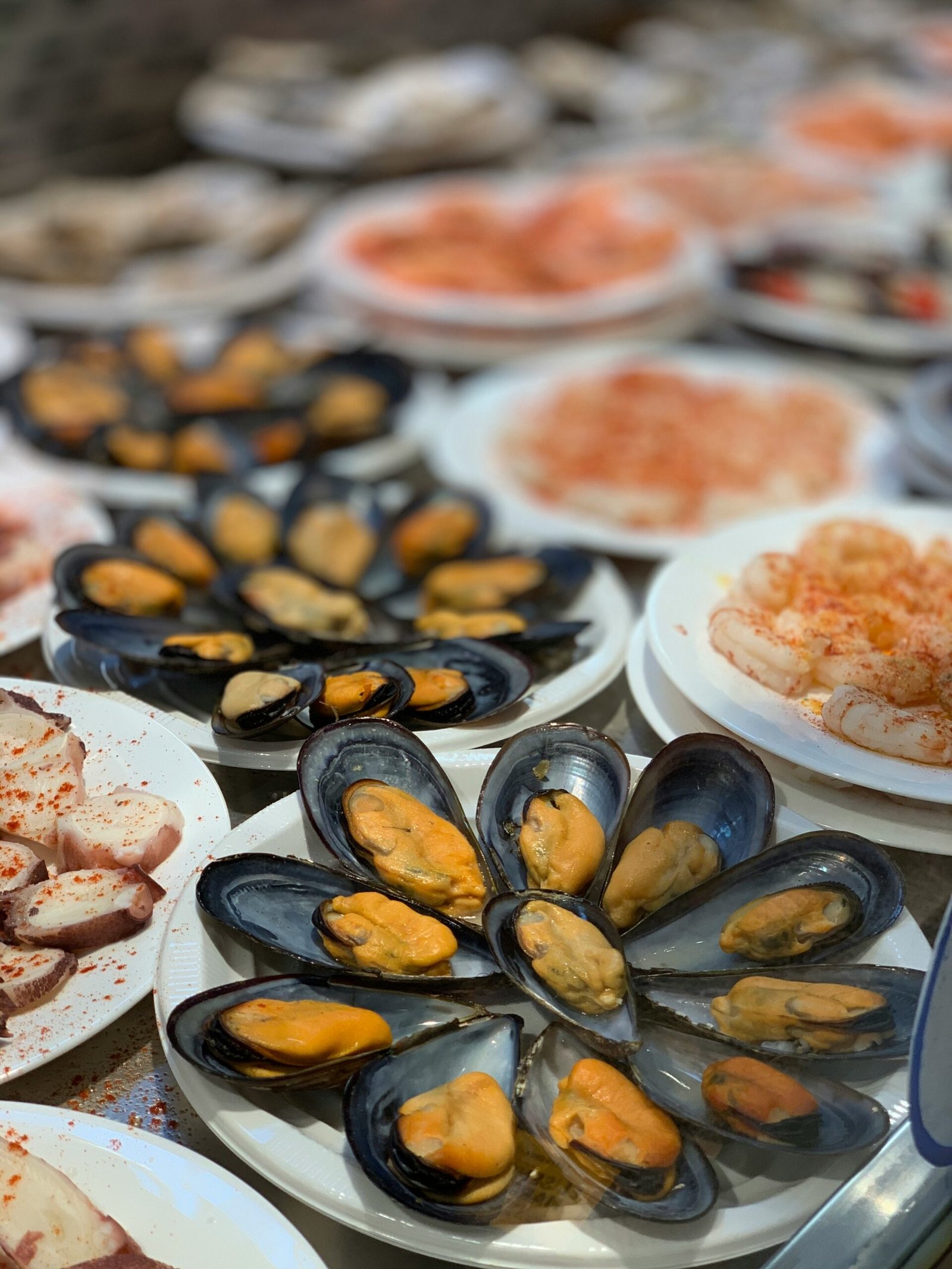
This environment produces mussels, clams, octopus, scallops, and barnacles considered among the best in Europe.
2. A Green, Fertile Interior
Galicia is not Spain’s sunbaked stereotype.
It’s a cool, rainy, pastoral region with:
- exceptional dairy
- beef with Protected Designation of Origin (Ternera Gallega)
- potatoes and turnip greens (grelos)
- artisanal cheeses
- cured and fresh pork traditions
Much of the cuisine is farm-to-table by default.
3. A Philosophy of Simplicity
Galician cooking isn’t about heavy sauces or complex preparations.
It’s about letting perfect ingredients speak for themselves.
The entire region follows a quiet rule:
If the product is good, don’t hide it.
Olive oil, garlic, salt, and paprika appear often — nothing more.
Key Ingredients to Know
To understand Galician cuisine, start with the building blocks:
Seafood
The soul of Galician food.
Some main ones are:
- mussels (mejillónes)
- clams (almejas)
- scallops (vieiras)
- hake (merluza)
- monkfish (rape)
- octopus (pulpo)
- sardines (sardinas)
- barnacles (percebes)
Each region of Galicia has its own seafood identity.
Potatoes
Essential in stews, soups, and seafood dishes.
Often better quality than elsewhere in Spain.
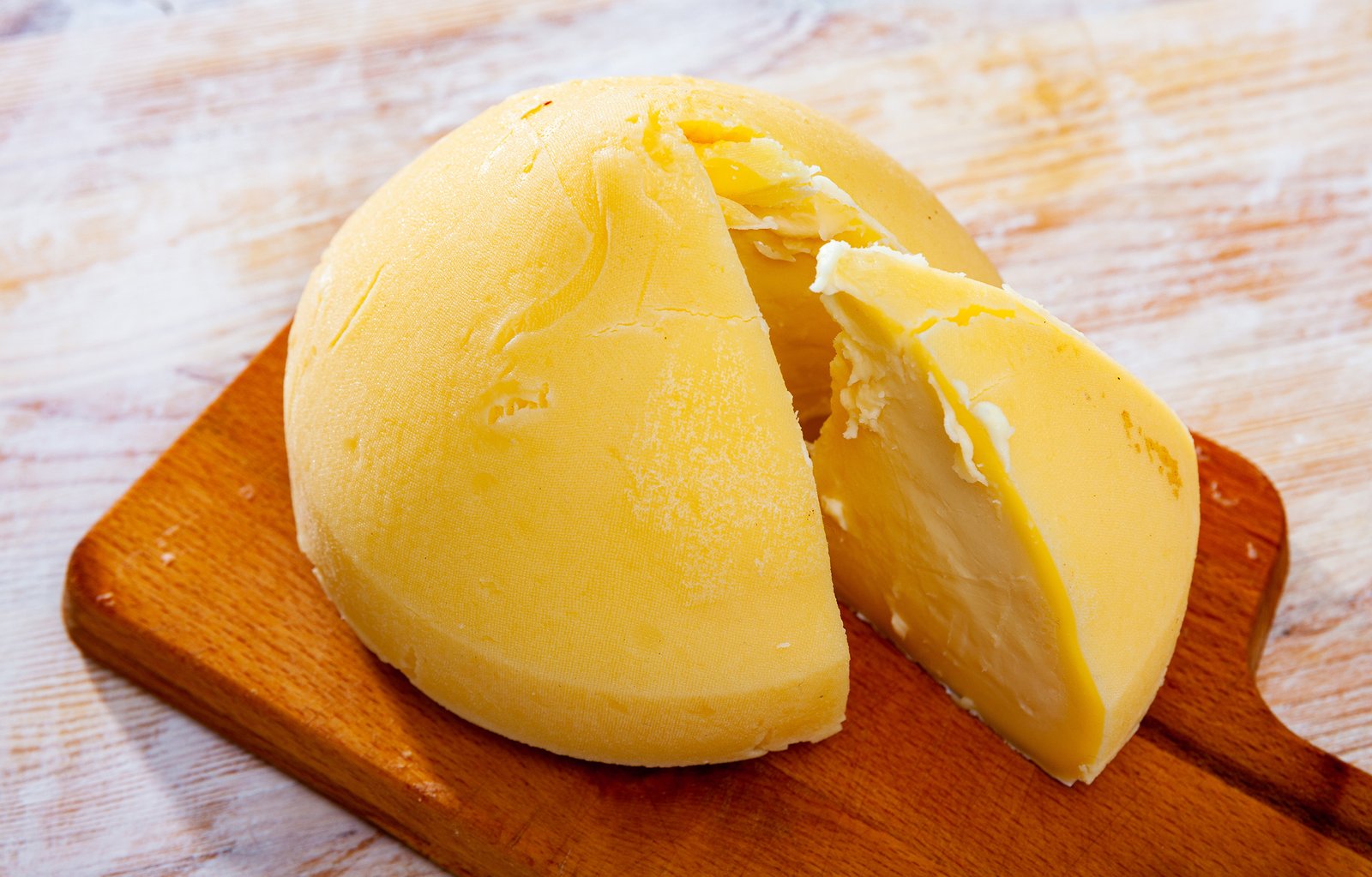
Galician Cheeses
Highlights include:
- Tetilla
- Arzúa-Ulloa
- San Simón da Costa (smoked)
- Cebreiro cheese in the east
Cheese is a quiet but important part of Galician eating.
Beef (Ternera Gallega)
One of Spain’s most respected meats. Often grilled or stewed, never overworked.
Pork
Used in countless everyday recipes:
- cured cuts
- sausages
- marinated pork (raxo, zorza)
- broths and stews
- winter dishes with greens
Leafy Greens: Grelos
These bitter turnip greens are fundamental in:
- winter dishes
- stews
- soups
A defining Galician flavor.
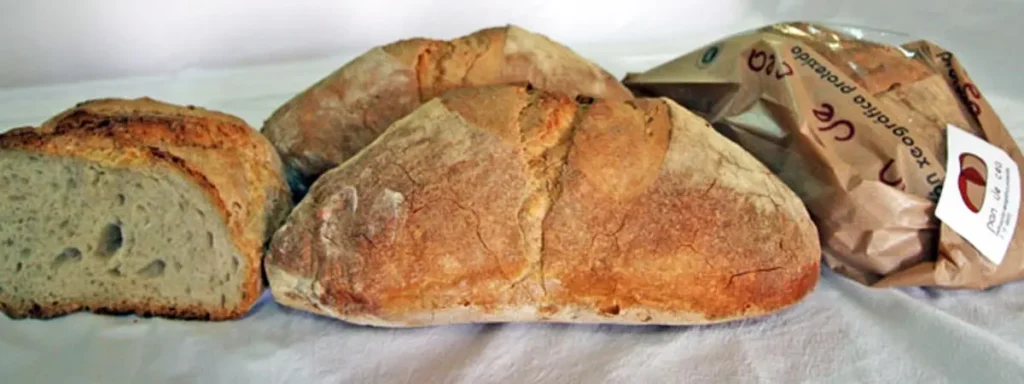
Bread
Galicia’s bread (pan galego) has:
- a thick crust
- open crumb
- slight sourness
It’s recognized across Spain for its quality.
Galician Cooking Methods
While the dishes vary, the techniques remain grounded in tradition:
Boiling and Simmering
Used for:
• seafood
• pork
• greens
• soups (caldos)
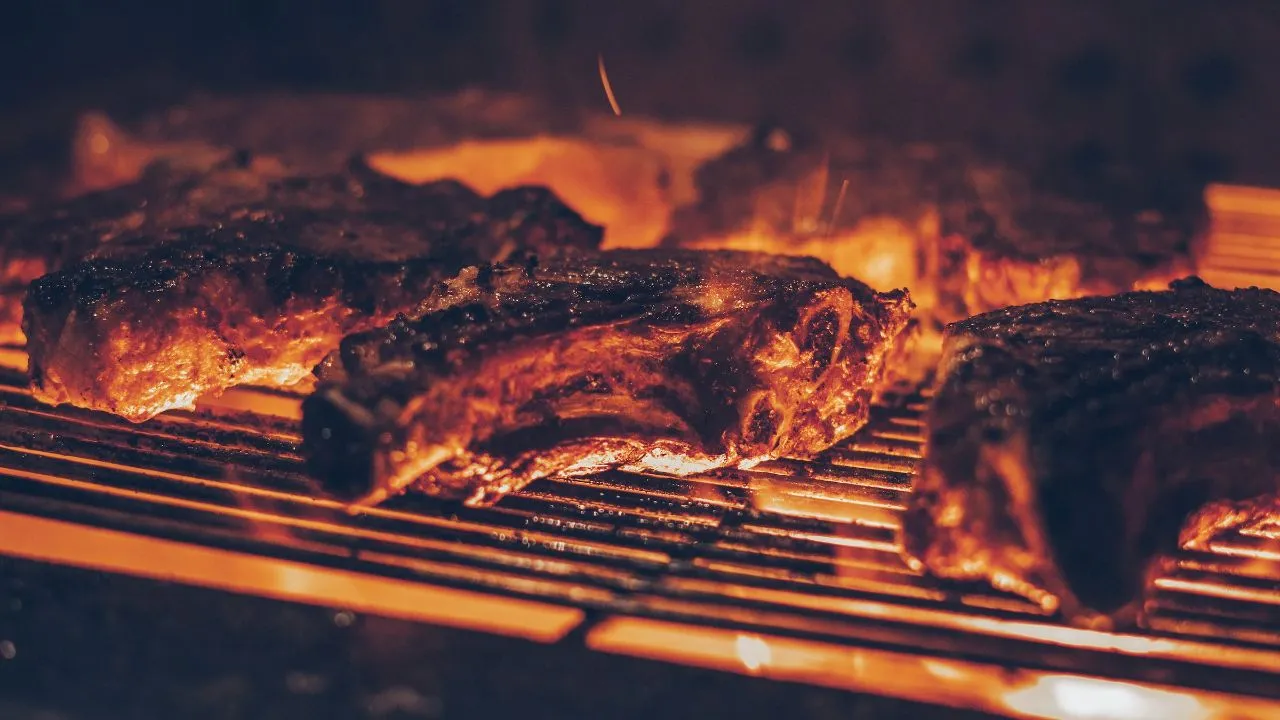
Grilling
Especially for beef, fish, and sardines.
Frying
Peppers, squid, pork, and seasonal snacks.
Baking
Empanadas, breads, pastries.
Nothing is overly complicated — the goal is preserving flavor.
How Galicians Eat: Meal Culture & Traditions
Lunch Is the Main Meal
Typically 1:30–3:30 pm.
The menú del día (set lunch menu) offers incredible value.
Dinner Is Light
Often after 9 pm.
Tapas, simple proteins, or leftovers.
Seasonality Drives Everything
• seafood seasons
• octopus festival seasons
• winter grelos
• summer peppers
• Carnival pork dishes
Local availability shapes what appears on plates.
Food Is Regionally Distinct Within Galicia
• Rías Baixas → seafood dominance
• Lugo → beef + inland dishes
• A Coruña → bakery culture
• Ourense → hearty stews
Galicia is small but diverse.
Drinks That Define Galicia
Albariño
→ Bright, aromatic white wine — perfect with seafood.
Ribeiro
→ Lighter white wine with local character.
Mencía
→ Fruit-forward red wines from inland river valleys.
Queimada
→ A ritual drink made with aguardiente and flames.
Part culture, part spectacle.
What to Try First
Galician cuisine can feel overwhelming at first — there’s so much seafood, so many regional variations, and dishes you won’t find anywhere else in Spain. If you want a balanced introduction without diving too deep right away, start with these categories. Each one represents a core piece of Galicia’s food identity.
You can explore detailed recommendations in our Essential Galician Dishes Guide, but here are the pillars to try first:
1. A Signature Galician Seafood Experience
Seafood is the heart of Galician cooking, so start with something that expresses the region’s marine identity.
Great first choices include:
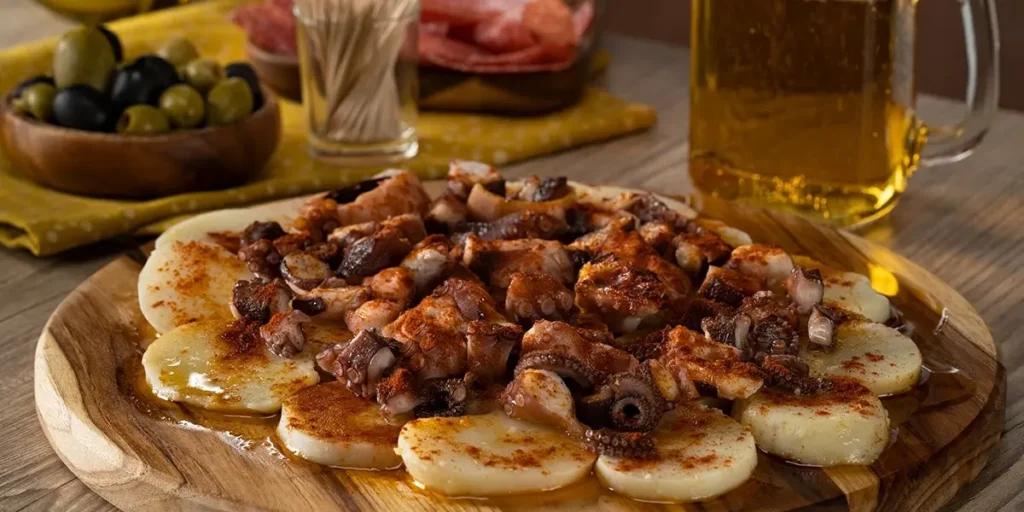
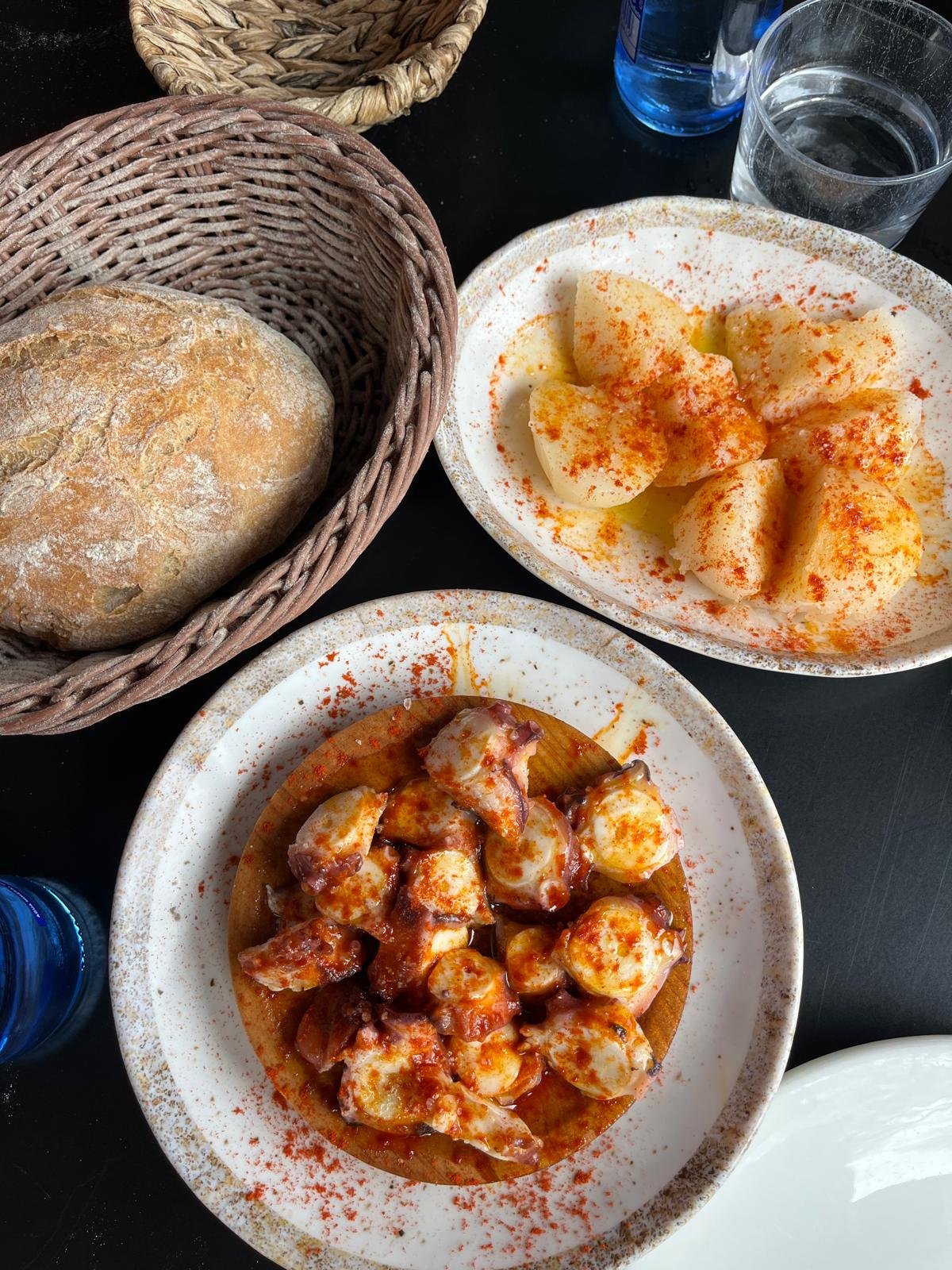
- Pulpo á feira — tender octopus with olive oil + paprika
- Steamed mussels (mejillones) from local bateas
- Razor clams (navajas) grilled with garlic
- Clams (almejas a la marinera) in a light tomato-wine sauce
These dishes are simple, honest, and show why Galicia is revered for its seafood.
2. A Classic Pork-Based Comfort Dish
Galicians have a deep tradition of pork dishes, especially in winter and rural areas.
Start with something like:
- Raxo — marinated pork loin, tender and flavorful
- Zorza — paprika-marinated pork with a slightly spicier profile
- Lacón con grelos — pork shoulder, greens, and potatoes
These dishes highlight Galicia’s rustic, home-style cooking.
3. A Hearty Galician Soup or Stew
This is the soul of Galician comfort food — simple ingredients, big flavor.
Try:
- Caldo gallego — potatoes, greens, beans, and broth
- Caldeirada de pescado — simple fish stew
These dishes embody Galicia’s climate and rural food culture.
4. A Slice of Galician Empanada
Unlike the small, handheld empanadas found elsewhere, Galicia’s version is a large savory pie.
Common fillings include:
- tuna
- cod
- meat
- sardines
- mussels
Empanada is found everywhere — bakeries, bars, festivals — and is one of the most authentic everyday foods you can try.
5. A Galician Cheese or Dessert
End your meal with something that represents Galicia’s dairy tradition or local sweets.
Try:
- Tetilla cheese — mild, creamy, iconic
- Arzúa-Ulloa — rich and buttery
- Tarta de Santiago — almond cake with centuries of history
This is the gentlest introduction to Galician flavors.
Why Galician Cuisine Stands Out in Spain
Galicia’s food is honest, ingredient-driven, and deeply connected to place.
It’s not flashy — it’s soulful.
Visitors often say they expected good food…
…but not this good.
Once you taste it, you understand why Galicians talk about food with such pride.
Related Reading
13 Essential Galician Dishes to Try
Galician Food vs. Spanish Food: What Makes It Unique?

Best Restaurants in Ferrol (2026)
Galician Seafood: Why It’s Considered the Best in Europe