Traditional Galician Drinks:
From Queimada to Licor Café
Galicia’s traditional drinks sit somewhere between practicality and ritual. They are rarely aperitifs, rarely elaborate, and almost never designed for casual volume consumption.
Most are:
- Strong
- Sweetened
- Served in small quantities
- Tied to meals, cold weather, or social moments
Understanding them requires stepping away from bar culture and toward domestic and communal contexts.Your Attractive Heading
Queimada
Galicia’s Most Famous Ritual Drink
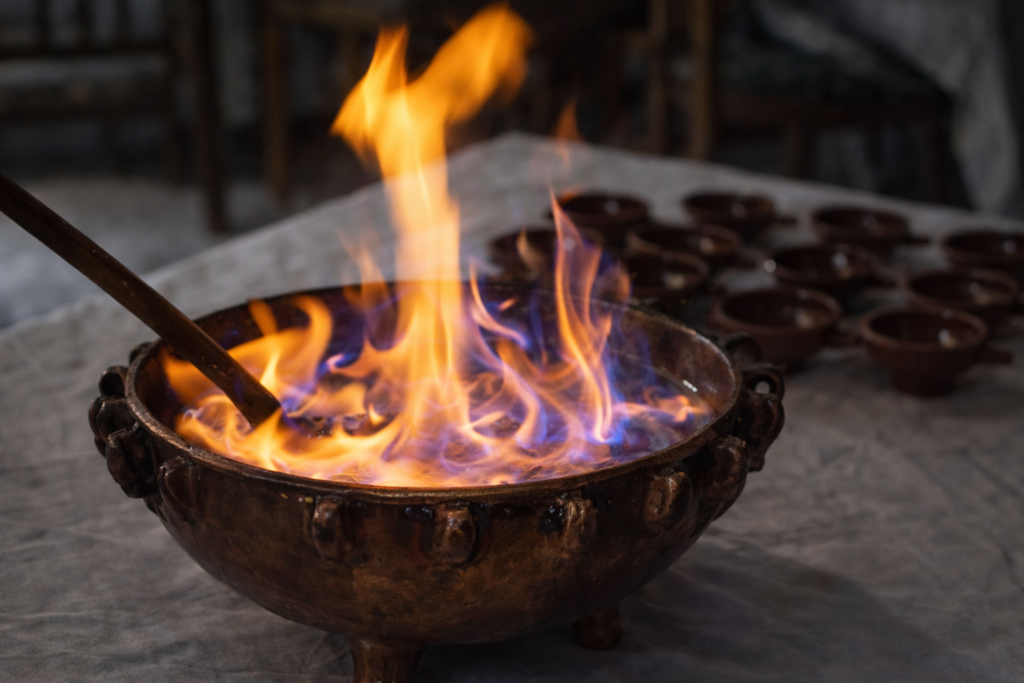
Queimada is a spirit-based drink traditionally made with orujo, sugar, citrus peel, and sometimes coffee beans. It is heated and ignited, with the alcohol burned off while a spoken incantation (conxuro) is recited.
Key points often misunderstood:
- Queimada is not a daily drink
- The ritual matters as much as the liquid
- Alcohol content is reduced during preparation
Historically, queimada served both symbolic and practical purposes: warmth, community bonding, and a moment of collective pause, often late in the evening or at celebrations.
Today, it appears most often:
- At festivals
- At group dinners
- As a cultural demonstration rather than a casual order
Its power lies in ceremony, not flavor complexity.
Licor Café
The Everyday After-Dinner Drink
Licor café is far more common than queimada in everyday life.
Typically made by infusing coffee and sugar into orujo, licor café is:
- Sweet but bitter-edged
- Served cold or at room temperature
- Consumed in small glasses after meals
It is especially associated with:
- Rural Galicia
- Family gatherings
- Long lunches that extend into the afternoon
Unlike queimada, licor café is genuinely habitual — though still consumed in moderation.
Commercial bottlings exist, but many Galicians prefer homemade versions, which vary widely in sweetness and strength.
Orujo
The Base Spirit
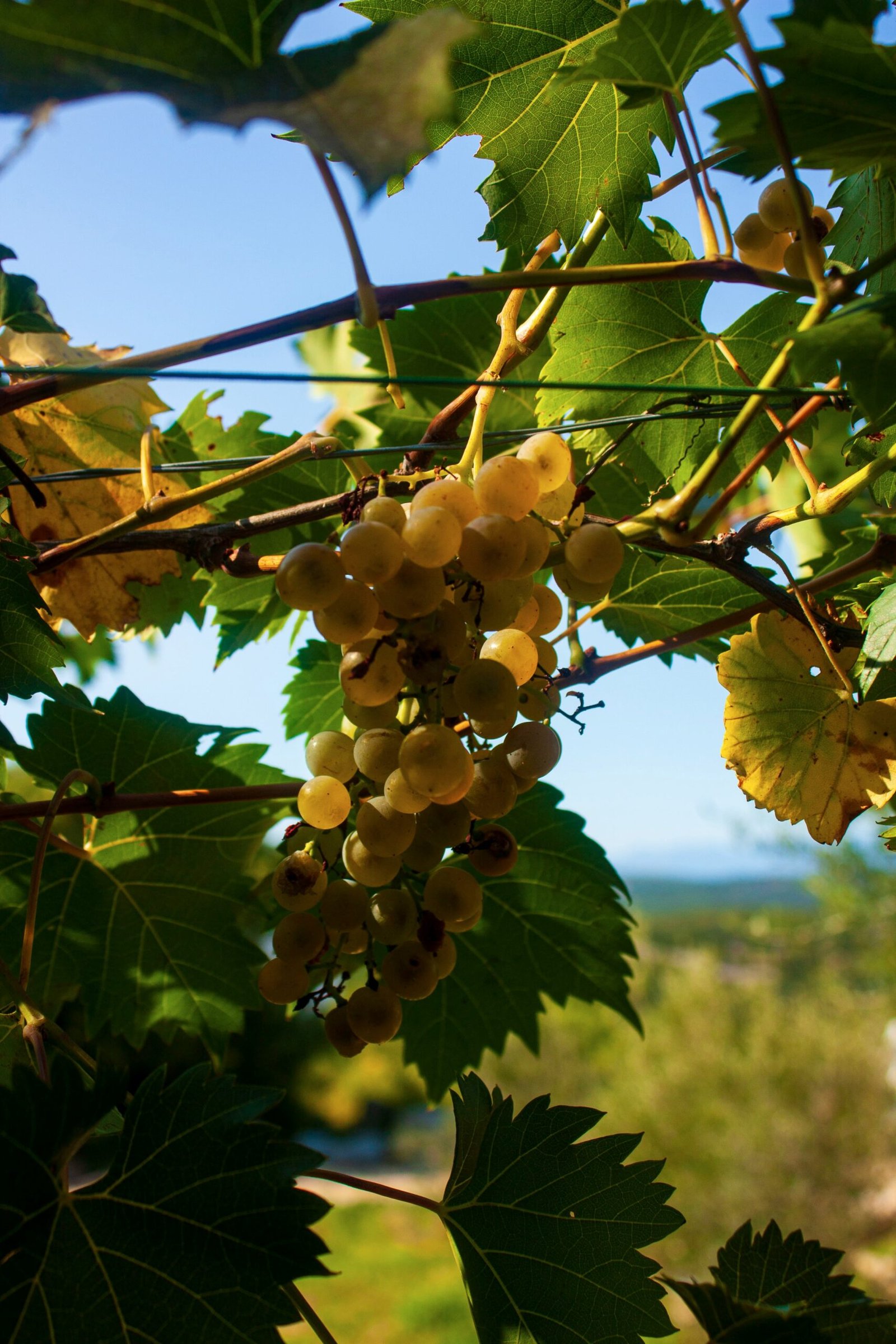
Orujo is a grape pomace spirit, similar in category to Italian grappa but stylistically distinct.
Characteristics:
- Clear, unaged spirit
- Sharp, warming, aromatic
- Often homemade or locally sourced
Orujo is rarely drunk casually. It appears:
- As a digestif
- As the base for liqueurs
- In small, deliberate pours
Quality varies significantly. The best examples are clean and restrained; poor ones are harsh.
Herbal and Fruit Liqueurs
Domestic, Not Commercial
Beyond licor café, Galicia has a tradition of house-made liqueurs, often produced for family use rather than sale.
Common styles include:
- Herbal liqueurs (licor de herbas)
- Fruit infusions (blackberry, cherry, fig)
These are typically:
- Sweet
- Moderately strong
- Served after meals or to guests
They are not standardized and rarely discussed in formal wine or spirits contexts, but they remain culturally important.
When and How These Drinks Are Consumed
Traditional Galician drinks follow clear social rules:
- After meals, not before
- In small quantities, not rounds
- In company, rarely alone
They are meant to:
- Aid digestion
- Extend conversation
- Provide warmth
Ordering queimada in a bar as an individual drink, for example, often signals misunderstanding rather than enthusiasm.
Traditional Drinks vs. Modern Bar Culture
In contemporary Galicia, beer, wine, and cocktails dominate everyday drinking — especially in cities.
Traditional drinks persist because they:
- Mark transitions (end of meal, celebration)
- Carry symbolic weight
- Resist commodification
They coexist with modern habits rather than replacing them.
Common Misconceptions
- “Everyone drinks queimada regularly.”
They don’t. - “Licor café is a tourist drink.”
It’s not — it’s genuinely local. - “These drinks are about intoxication.”
They’re about ritual and pacing.
Understanding these distinctions prevents cultural missteps.
Final Perspective
Traditional Galician drinks are not about novelty or spectacle. They are about continuity — recipes passed quietly, rituals repeated without explanation, and moments shared rather than consumed.
Approached with respect and context, they offer insight into Galicia that no wine list can provide.
Related Reading
Rías Baixas: Galicia’s Atlantic Wine Region
The Wines of Galicia: An Overview of All Four Major Regions
Albariño 101: The Complete Guide to Galicia’s Most Famous Wine
The Wines of Ribeiro: Galicia’s Ancient Wine Region Explained