

Ribeira Sacra: Galicia’s Interior of Canyons, Vineyards, and Stone
Ribeira Sacra is inland, quiet, and deliberate.
This is not coastal Galicia. It’s a rural interior shaped by rivers, monasteries, and steep vineyard terraces that are still worked by hand. Distances are short, but nothing moves quickly — which is exactly why it works.
If you want landscapes, silence, and space to slow down, Ribeira Sacra delivers.
What Ribeira Sacra Is
Ribeira Sacra spans southern Lugo and northern Ourense, defined by the deep canyons carved by the Sil River and Miño River.
The name — Sacred Riverbank — refers to the concentration of medieval monasteries built here between the 9th and 13th centuries. Many sit in remote positions that still feel intentional rather than picturesque.
Today, Ribeira Sacra is best understood as a landscape, not a destination town.
The Sil Canyons
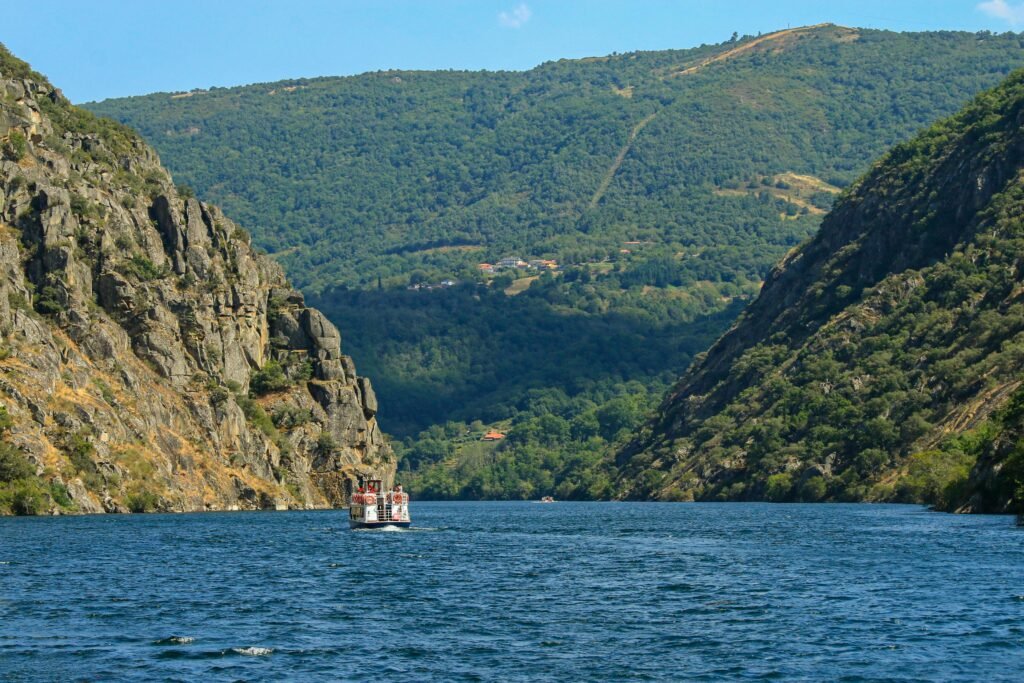
The Sil Canyons form the visual core of Ribeira Sacra. Here, the river cuts sharply through rock, creating steep drops and tight bends that feel unexpectedly dramatic for inland Galicia.
The best views are from above.
A few viewpoints worth prioritizing:
- Mirador de Cabezoás
- Mirador da Columna
- Mirador de Vilouxe
Vineyards on Impossible Slopes
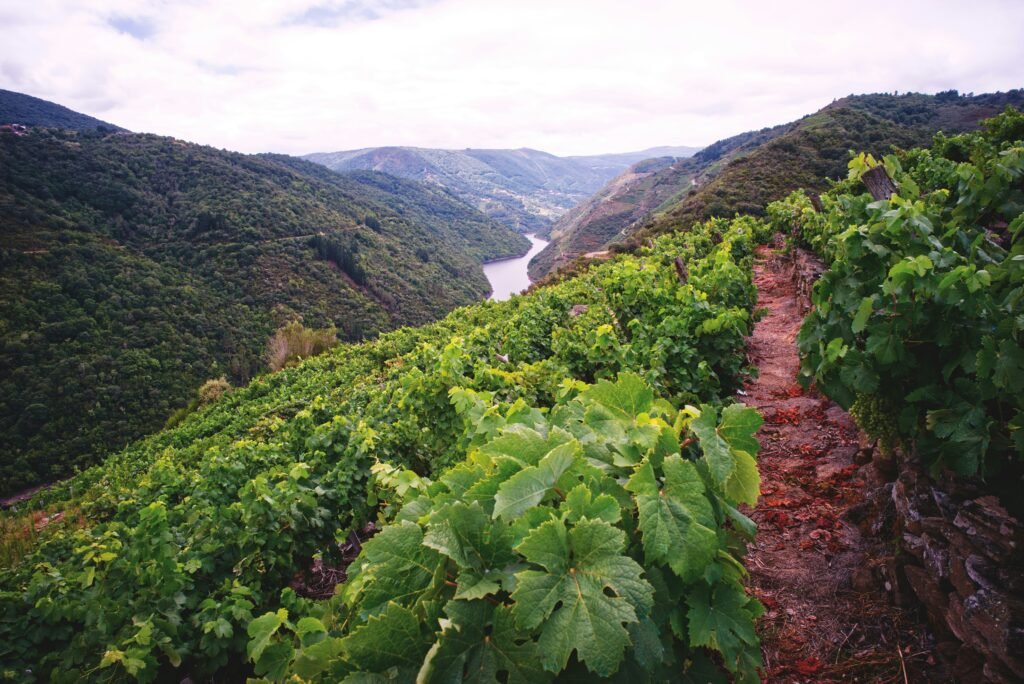
Ribeira Sacra’s vineyards are steep enough that machines are often useless. Much of the work is done by hand, especially on terraces that drop sharply toward the Sil and Miño rivers.
The dominant grape is Mencía, producing light, fresh reds with moderate alcohol. Whites like Godello and Albariño appear as well, particularly at higher elevations and on the Miño side.
Wine visits here tend to be informal and quiet, especially outside peak summer. Small producers such as Adega Algueira, Regina Viarum, Guímaro, and Dominio do Bibei offer a good sense of the region: modest facilities, dramatic vineyard settings, and tastings that focus more on place than presentation.
The appeal isn’t polished cellar doors or long explanations. It’s standing above the river and seeing just how impractical — and committed — this kind of viticulture really is.
Monasteries Without Crowds
Two stops explain the region’s history clearly:
- San Pedro de Rocas
Compact, partly carved into rock, and surrounded by forest. Easy to visit and genuinely atmospheric. - Monasterio de Santo Estevo de Ribas de Sil
Larger and restored, now a parador. Still worth visiting for the cloisters and location, even if you’re not staying overnight.
These monasteries aren’t pilgrimage sites anymore. They’re anchors — proof of how long people have worked this landscape.
Where to Base Yourself
Ribeira Sacra isn’t town-centric, but a few places work well:
- Monforte de Lemos – practical base with services
- Castro Caldelas – small, historic, and scenic
- Sober – quiet, close to vineyards
A car is essential.
Is the Sil River Boat Trip Worth It?
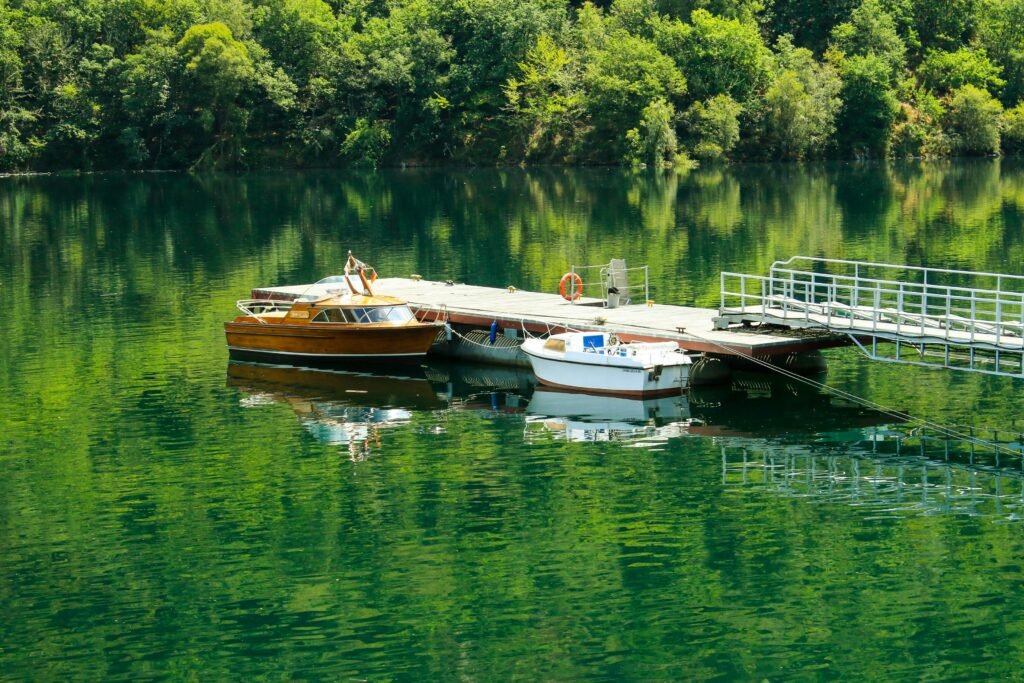
The Sil River boat trip offers a different perspective on the Ribeira Sacra. From the water, the canyon walls feel taller and closer, and the vineyard terraces are easier to grasp as working landscapes rather than distant views.
The pace is slow and quiet, and the trip works best as a break from driving rather than a highlight on its own. If you’re short on time, the viewpoints above the canyon give a stronger overall impression. If you have the time, the boat trip adds contrast and helps round out the experience
When to Go
Spring: green, quiet, good light
Early summer: warm and manageable
Autumn: vineyards active, excellent colors
High summer: hotter, busier, still calmer than the coast
One-Day Scenic Drive Through Ribeira Sacra
Ribeira Sacra can be covered in a single, well-planned day — as long as you accept that the pace will be slow. Roads wind, viewpoints invite unplanned stops, and monastery visits take longer than they look on a map.
This route is designed as an overview drive rather than a rigid itinerary. It links the region’s most important monasteries with canyon-edge roads and vineyard landscapes, giving you a clear sense of the territory without trying to see everything.
Practical notes
- Base: Monforte de Lemos
- Time needed: full day, early start recommended
- Best for: first-time visitors who want a complete picture
- Route type: loop (no backtracking required)
The map below shows the main flow of the day. Sil Canyon viewpoints are marked separately, so you can stop where light, weather, and time allow.
A Slower Option: A 2-Day Ribeira Sacra Road Trip
If you have more time — or simply don’t want to rush — the same geography works better spread over two days. This version keeps the core monastery visits together and leaves space for vineyards, viewpoints, and time off the road.
Rather than trying to “see everything,” this route prioritizes pacing. You’ll drive less each day, stop more naturally, and spend less time watching the clock.
Day 1: Monasteries and Sil Canyons
The first day focuses on the historical and structural core of Ribeira Sacra.
- Start in Monforte de Lemos
- Visit San Pedro de Rocas, the region’s most distinctive early monastery
- Continue to Santo Estevo de Ribas de Sil
- Walk down to Santa Cristina de Ribas de Sil
- Drive along the Sil Canyon rim, stopping at Mirador de Cabezoás and one additional viewpoint if conditions are good
- Dinner and overnight near Castro Caldelas or Sober
This day is full but contained. You’ll see the monasteries that explain the region and get your first strong sense of the canyon landscape.
Day 2: Vineyards and the River
The second day is deliberately lighter.
- Morning winery visit near the Sil or Miño (by appointment)
- Slow drive through terraced vineyard roads around Sober
- Optional Sil River boat trip for a view of the canyon from below
- Late lunch, then return to Monforte via scenic back roads
This day works best without fixed targets. The goal is to move slowly and let the landscape set the pace.
Practical notes
- Best for: travelers who value time and flexibility over coverage
- Overnight: Castro Caldelas or Sober
- Driving intensity: moderate Day 1, light Day 2
The map below shows the two days as separate routes, with optional viewpoints marked independently. You don’t need to follow every stop for the itinerary to work.
Who Ribeira Sacra Is For
Good fit if you:
- enjoy rural driving
- value landscapes over attractions
- don’t need constant activity
Less ideal if you:
- want nightlife or city energy
- rely on public transport
- are short on time
Why It Complements Coastal Galicia
The coast shows Galicia at its most open and social. Ribeira Sacra shows the opposite: interior, agricultural, and restrained.
Seeing both gives you the full picture.
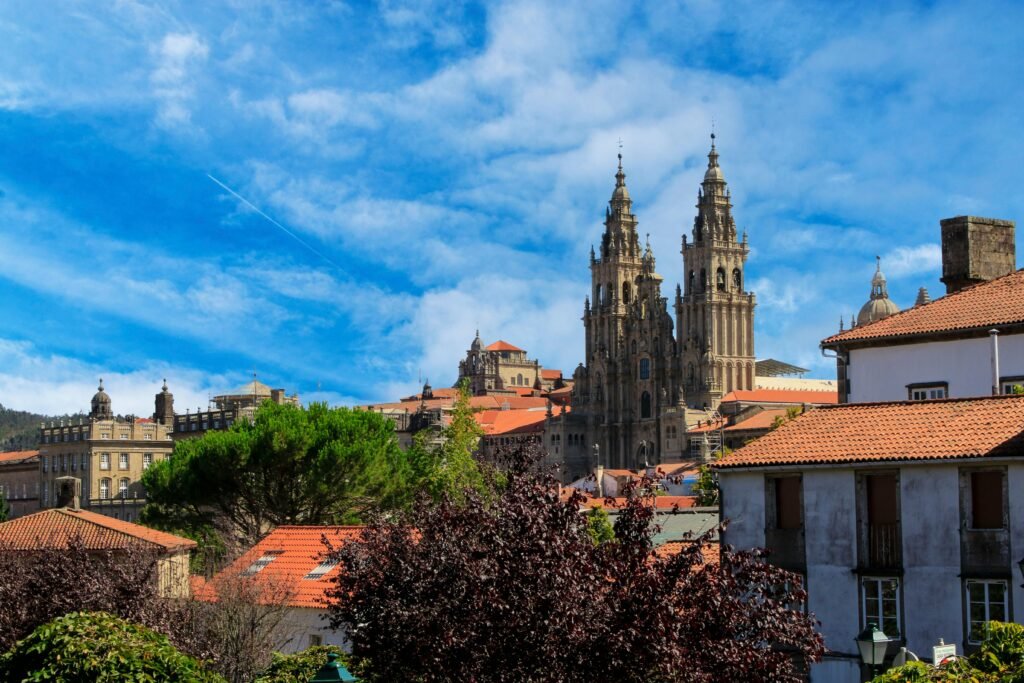
What To See in Santiago de Compostela

The 7 Cities of Galicia Explained

Best Beaches in Galicia

The Cíes Islands: Visiting Galicia’s Most Beautiful National Park

What To Do in A Coruña
