
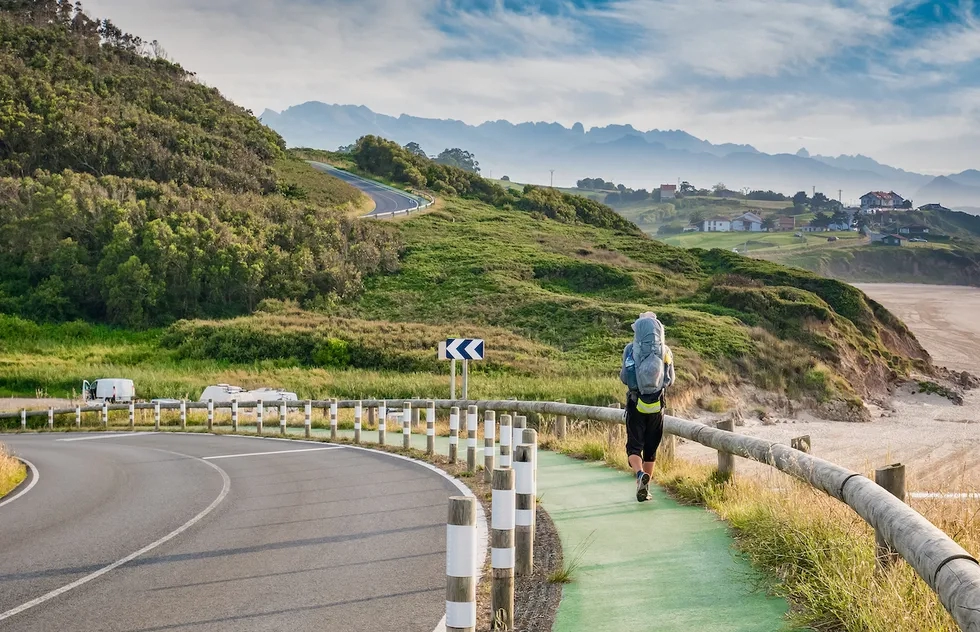
The Ultimate Camino Packing Guide
What You Really Need (and What You Don’t)
Most pilgrims bring too much. Only on the Camino do you realize how heavy “just in case” becomes after 25 kilometers of walking.
This guide cuts through the noise and shows you exactly what you really need — not the extras, not the marketing hype, just the essentials that make your Camino lighter, safer, and far more enjoyable.
Start Here: The 10% Rule
Your fully packed backpack should be under 10% of your body weight.
Examples:
• 60 kg (132 Ib) → 6 kg (13 Ib)
• 70 kg (155 Ib) → 7 kg (15 Ib)
• 80 kg (176 Ib) → 8 kg (17 Ib)
Why? Because 800 km with an extra 2–3 kg becomes knee pain, blisters, and burnout.
Light is safe. Light is comfortable. Light is happy.
Your Backpack (The Most Important Choice)
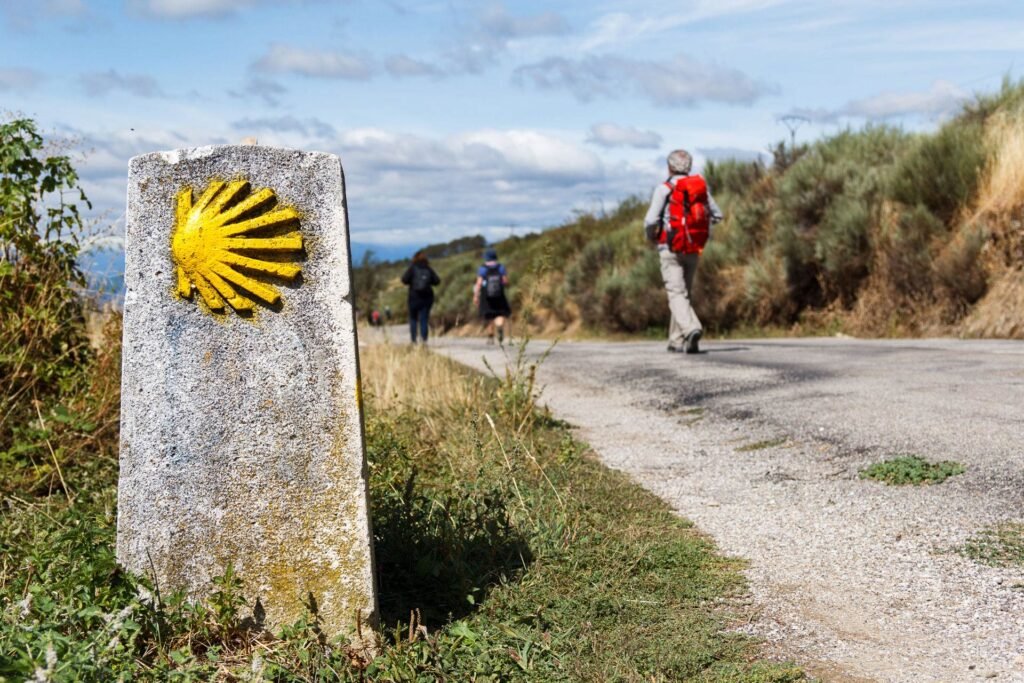
A 30–40 liter backpack is ideal for the Camino. For most pilgrims, 35–38L is the sweet spot.
Larger packs tempt you to carry unnecessary weight, which will punish you by day three.
What to look for:
• 30–40 liters
• Supportive hip belt
• Ventilated back panel
• Lightweight frame
• Simple pockets
• Rain cover
In Galicia, rain is not occasional — it’s structural. Everything you carry should tolerate moisture or dry quickly.
Recommended Models (Hybrid Style: Category + Products)
Below are the exact models most pilgrims use successfully.
Osprey Exos 38 (men) / Osprey Eja 38 (women) — Best All-Around Choice
Deuter Aircontact Lite (40 + 10) & 45 + 10 SL — Best for Comfort
For walkers who prioritize carrying comfort and structure over ultralight minimalism. The Aircontact Lite line offers more padding, stability, and load transfer than lighter packs, making it a strong choice for pilgrims who feel better with a bit more support.
The 40 + 10 is the best fit for most Camino walkers and still aligns with a 30–40L packing strategy. The 45 + 10 SL provides the same comfort in a women-oriented fit with a slightly shorter torso and reshaped hipbelt.
Decathlon Forclaz MT900 (45+10L / 50+10L) — Best Budget Option
Inexpensive but reliable. A favorite among European pilgrims.
Available at:
Decathalon
Why You Don’t Want a 60–70L Pack:
They’re designed for mountaineering, not long-distance walking.
You will overpack, suffer knee strain, and resent your pack by Week 1.
We compare popular Camino backpacks, fit considerations, and comfort trade-offs in our dedicated backpack guide.
Shoes: What You Should Really Bring
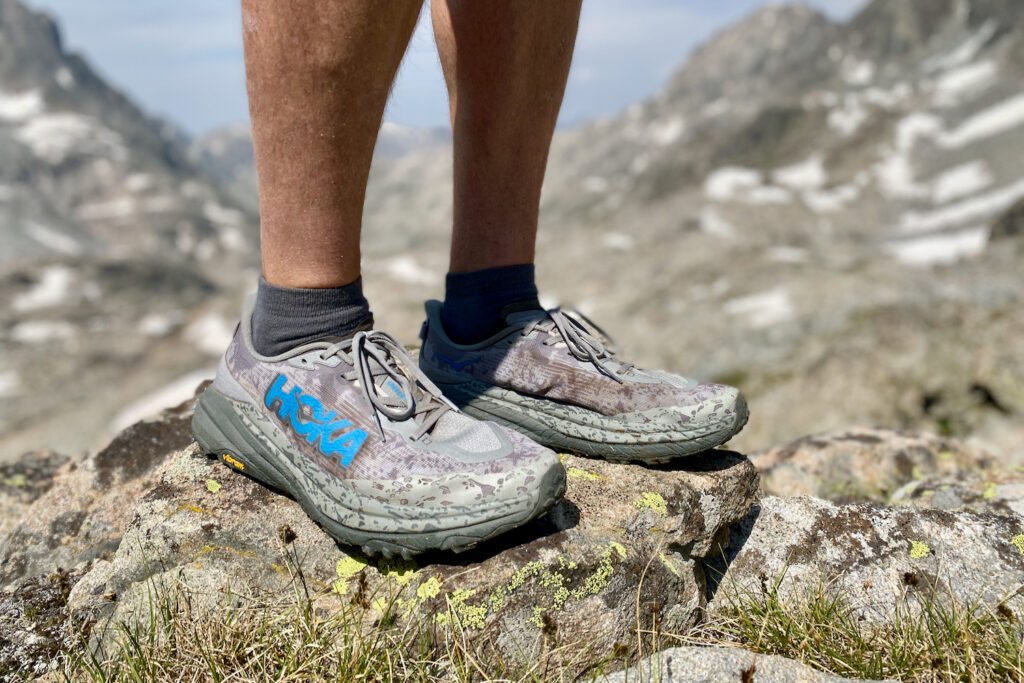
Boots are not ideal for most pilgrims. The Camino is not a technical mountain hike — it is a long-distance repetitive walking route.
Best Choice for 90% of Pilgrims: Trail Runners
They are:
Lightweight, Cushioned, Breathable, Quick-drying, Gentle on Joints
Recommended Models (Hybrid Style)
• Hoka Speedgoat — plush cushioning for long days
Available at:
Amazon
• Brooks Cascadia — stable, versatile
Available at:
Amazon
• Decathlon Evadict MT2 — best budget
Available at:
Decathalon
Pilgrims with wide feet often prefer brands like Altra or Topo, but cushioning and fit matter more than brand.
Avoid:
Heavy leather boots, New shoes (break-in is mandatory), Two full pairs of shoes (one is enough)
*For a deeper look at shoe types, fit, and common mistakes, see Best Shoes for the Camino de Santiago.
Clothing: Keep It Minimal
The Camino rule: one to wear, one to wash.
The Core Clothing List:
• 2 moisture-wicking shirts
• 2 pairs of quick-dry shorts or leggings
• 2 pairs hiking socks (merino recommended)
• 2 pairs underwear
• 1 lightweight fleece or mid-layer
• 1 rain jacket
• 1 sleepwear set
• 1 hat or buff
Recommended Clothing Picks:
• Merino wool shirt (Icebreaker, Smartwool, Decathlon Merino)
Available at: Amazon
• Lightweight fleece (Decathlon Forclaz 100 or Patagonia R1)
Available at: Amazon
• Rain jacket (Decathlon MH500 or Marmot PreCip)
Available at: Amazon
Avoid Packing:
• Jeans
• Cotton shirts
• “Extra outfits” — nobody dresses up on the Camino
*For a deeper look at how layering actually works on the Camino — and how clothing choices change by season — see Clothing and Weather on the Camino: What Actually Works.
Trekking Poles: Yes or No?
Most pilgrims should bring them.
Why They Help:
• Reduce knee impact on descents
• Improve balance
• Reduce fatigue on long days
Many albergues require rubber tips indoors.
If You’ve Never Used Poles:
Practice for a week before leaving.
Off-the-Trail Essentials
Toiletries: Keep It Ultra-Light
You don’t need full-size anything.
Bring:
• Toothbrush + tiny toothpaste
• Mini deodorant
• Travel soap or shampoo bar
• Microfiber towel
• Sunscreen
• Nail clippers
• Small bag for laundry soap sheets
Helpful extras:
• Compeed blister pads
• Leukotape (blister prevention)
• Ibuprofen
• Small moisturizer or anti-chafe balm
*Pharmacies are frequent along the Camino. Do not carry a full first-aid kit.
Avoid:
• Makeup kits
• Heavy toiletry bags
• Full-size products
Sleep System
For albergues, you do NOT need a full sleeping bag in summer.
Essentials:
• Sleeping bag liner (required in many hostels)
• Earplug – You will encounter snorers
Optional:
• Lightweight summer sleeping bag (spring/fall)
• Inflatable pillow (luxury, not required)
Electronics
Keep it minimal.
Essentials:
• Phone
• Charging cable
• EU adapter
• Power bank
Optional:
• Personal electronics (e-reader, headphones, fitness tracker, etc.)
• Small camera
Avoid:
• Laptop
• Drone
• Extra batteries and chargers
Documents
Bring:
• Passport or ID
• Pilgrim credential (credencial)
• Bank card + small cash
• Travel insurance details
• Phone with offline maps
What NOT to Bring
This list saves first-time pilgrims more pain than anything else:
• Jeans
• Heavy boots
• Second pair of shoes
• Camping gear
• Books
• Extra jackets
• Full-size toiletries
• Bulky towels
• Too many outfits
• Cooking gear
• Multiple electronics
Every extra kilo feels like five by Day 4.
Seasonal Adjustments
Add or subtract items based on when you walk.
Summer (June–September)
• No sleeping bag
• Extra sunscreen
• Hydration priority
Spring & Fall
• Light down jacket
• Warmer sleep clothes
• Gloves + beanie optional
Winter
For experienced pilgrims only. Many albergues close, weather is unpredictable, and routes require flexibility and planning. Not recommended for first-time walkers.
Complete Camino Packing Lists
Core items (applies to ALL three lists)
These are the “don’t overthink it” basics that almost every pilgrim needs.
Documents & Money
• Passport/ID
• Pilgrim credential (credencial)
• Bank card + small cash (€20–€60)
• Travel insurance details (digital + screenshot)
Electronics
• Phone
• Charging cable
• EU plug adapter
• Power bank (10,000–20,000 mAh)
Toiletries (basic)
• Mini toothbrush + small toothpaste
• Travel-size deodorant
• Soap or shampoo bar (or ≤50 ml liquid)
• Sunscreen (small)
• Microfiber towel (small or medium)
Laundry & Albergue life
• Laundry soap sheets or small detergent
• Small clothesline or 2–4 safety pins (for drying)
• Earplugs
• Lightweight tote bag (for groceries, town use, showers)
Foot care / mini-med (Minimal but Essential)
• 2–4 blister pads (Compeed or similar)
• Small strip of blister-prevention tape (Leukotape or equivalent)
• A few pain-relief tablets
Water
• Bottles or system providing at least 1 liter carrying capacity
Minimalist Packing List (5–6 kg)
Ideal for: Camino Portugués, Inglés, Sarria → Santiago, experienced walkers, warmer months.
Backpack
30–38L lightweight pack
(Examples: Osprey Exos/Eja 38, Osprey Talon/Tempest 33–34)
Clothing
• 2 moisture-wicking shirts (synthetic or merino)
• 2 bottoms (shorts, lightweight hiking pants, or thermal base-layer bottoms — choose based on conditions)
• 2 pairs hiking socks
• 2 hiking socks
• 2 underwear
• 1 lightweight mid-layer (thin fleece or similar)
• 1 rain jacket
• 1 sleepwear outfit
• 1 hat/buff
Shoes
• 1 pair trail runners
(Hoka Speedgoat, Brooks Cascadia, or Decathlon Evadict MT2)
Sleep
• Sleeping bag liner
(No sleeping bag in summer if you run warm; optional otherwise)
Extra Toiletries
• Small moisturizer (optional but useful)
Gear
• Trekking poles (optional but recommended)
Target weight: 5–6 kg (without water)
Standard Packing List (6–8 kg)
Ideal for: Most pilgrims on the Francés and Portugués.
Backpack
• 36–45L lightweight trekking backpack
(Examples: Osprey Exos/Eja 38, Deuter Aircontact Lite 45+10)
Clothing
• 2–3 moisture-wicking shirts (synthetic or merino)
• 2 bottoms (shorts, lightweight hiking pants, or thermal base-layer bottoms — choose based on conditions)
• 2–3 hiking socks
• 2 pairs underwear
• 1 mid-layer (fleece)
• 1 rain jacket
• 1 sleepwear outfit
• Buff/hat
Shoes
• Trail runners
• Lightweight boots only if medically necessary
Sleep
• Sleeping bag liner
• Optional light sleeping bag
(10–15°C rating; quick-dry; only if you sleep cold or are walking shoulder season)
Extra Toiletries
• Small tweezers or nail clippers
• Small moisturizer (optional )
• Small body glide / anti-chafe stick (highly recommended)
Gear
• Trekking poles (optional but recommended)
Target weight: 6.5–8 kg (without water)
Cold-Weather Packing List (7.5–9 kg)
Ideal for: Late fall, early spring, or colder routes for experienced pilgrims.
Backpack
• 36–45L with stronger frame
(Examples: Deuter Aircontact Lite / Osprey Exos)
Clothing (warmth upgrades)
• 2 shirts (merino preferred)
• 1 thermal base layer (top)
• 2 bottoms (thermal base-layer bottoms + hiking pants)
• Optional: lightweight shorts (albergues or warm afternoons)
• 3 pairs hiking socks (merino recommended)
• 2-3 underwear
• 1 fleece
• 1 packable insulated jacket (down or synthetic)
• 1 rain jacket
• 1 sleepwear outfit (thermal if you sleep cold)
• Warm hat + lightweight gloves
Shoes
• Trail runners for most pilgrims
• Waterproof boots only if truly necessary
(heavier, slower to dry, rarely required)
Sleep
• Sleeping bag liner
• Lightweight sleeping bag if nights are cold for you (avoid bulky or heavy bags)
Extra Toiletries
• Small body glide / anti-chafe stick (highly recommended)
• Small tweezers or nail clippers
• Lip balm
• Rich moisturizer (cold/wind + long days)
Gear
• Trekking poles highly recommended
Target weight: 7.5–9 kg (without water)
What’s In My Pack? — A Real Camino Example
Example Camino Francés Packing List (June)
Backpack:
• Osprey Exos 38
Shoes:
• Hoka Speedgoat 5
Clothing:
• 2 merino shirts
• 2 pairs of shorts
• 3 pairs of socks
• 2 pairs of underwear
• Lightweight fleece
• Rain jacket
Sleep System
• Silk sleeping bag liner
• No sleeping bag
Gear
• Black Diamond trekking pole
• Power bank
• EU adapter
• 1L water bottle
• Buff
• Minimal first-aid kit
Toiletries
• Toothbrush + small toothpaste
• Mini deodorant
• Soap or shampoo bar
• Sunscreen
• Microfiber towel
• A few blister pads
All items are travel-size.
Total toiletry weight: ~300 g
Total Pack Weight
6.3 kg (without water)
This is a comfortable, realistic setup for a summer Camino on the Francés, focused on light weight and fast-drying gear.
Conclusion
Packing for the Camino isn’t about preparing for every scenario — it’s about choosing simplicity.
The lighter your pack, the more freedom you feel. Most pilgrims finish their walk wishing they had brought less, not more.
Choose well. Walk lightly. Trust your gear.
The Camino will take care of the rest.
Buen Camino.
Plan Your Camino

Best Shoes for the Camino de Santiago

What is the Camino de Santiago?

Which Camino Route is for You?

Best Backpack for the Camino (2026 Guide)

How Much Does It Cost to Walk the Camino? Budget vs. Comfort Travelers
