The Wines of Galicia:
An Overview of the Four Major Regions
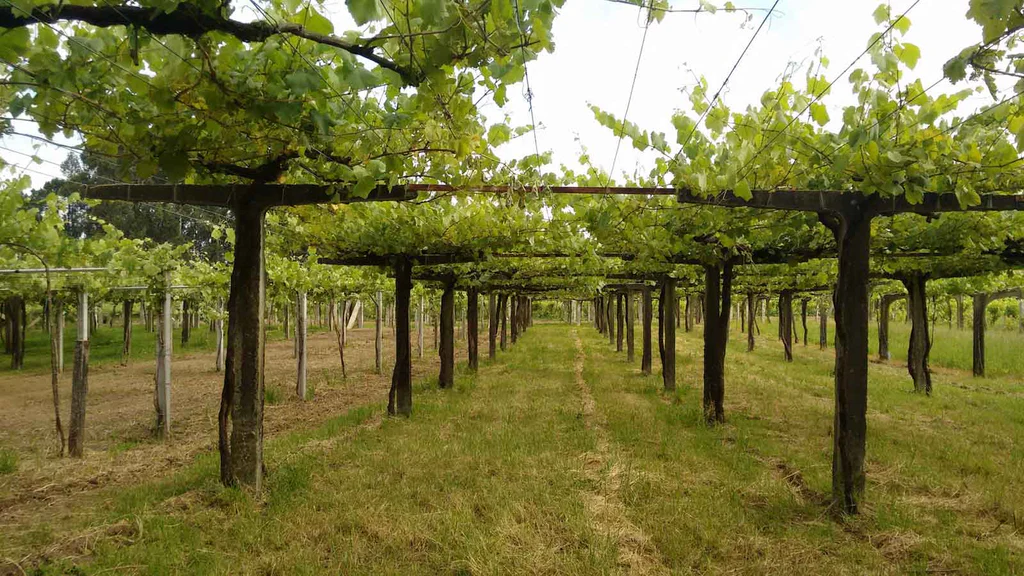
Galicia is not a single wine region with stylistic variation. It is a set of distinct Atlantic wine cultures, shaped by geography more than by fashion, and unified more by climate than by grape variety.
What makes Galician wine compelling — and often misunderstood — is restraint: lower alcohols, higher acidity, minimal oak, and a historical focus on drinkability rather than power. These are wines built for food, not trophies.
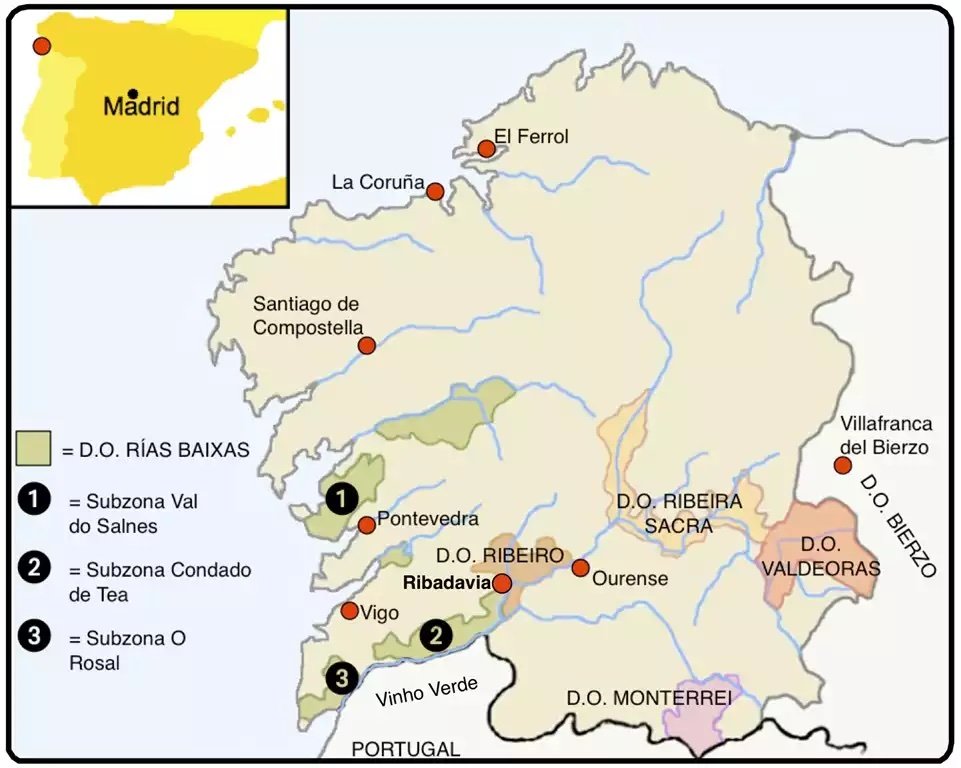
This article explains the four principal Galician wine regions most travelers and drinkers encounter, how they differ, and why Galicia has become one of Europe’s most quietly influential wine areas.
(A note on classification: Galicia officially contains five Denominaciones de Origen. Monterrei, the smallest and least internationally visible, is addressed briefly at the end for completeness.)Your Attractive Heading
Galicia as a Wine Landscape (Context Matters)
Before region by region, two structural realities define Galician wine:
- Atlantic climate: high rainfall, moderate temperatures, long growing seasons
- Granite and slate soils: acidity preservation and mineral tension
- Smallholdings: many vineyards historically farmed for local consumption
- Late commercial development: serious export focus is relatively recent
Galicia never chased the international style wave of the 1990s. As a result, its wines now feel contemporary without having been reengineered to do so.
Rías Baixas
Albariño and the Atlantic Coast
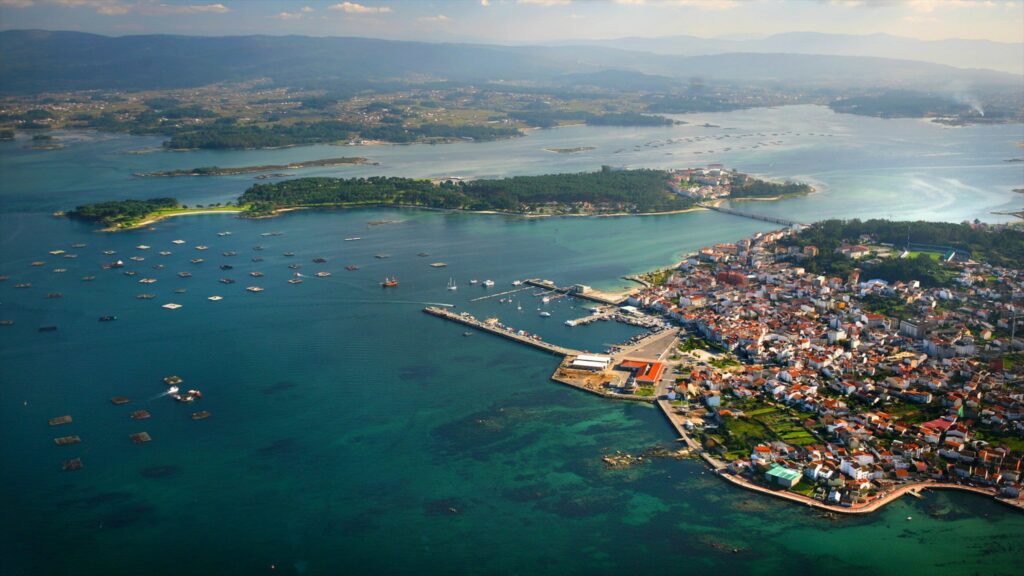
Location: Coastal western Galicia
Climate: Cool, humid, strongly maritime
Signature grape: Albariño
Rías Baixas is Galicia’s most internationally recognized region — and, for many, the entry point.
At its best, Albariño here is:
- High-acid but not sharp
- Aromatic without being overtly tropical
- Saline, textural, and food-driven
Modern Albariño has evolved significantly. Early export styles emphasized aromatic immediacy; today, the most serious producers focus on:
- Lees aging
- Single-vineyard bottlings
- Longer maturation potential
Subzones (Condado do Tea, O Rosal, Val do Salnés) matter stylistically, but the unifying thread is freshness with structure, not simplicity.
Rías Baixas is not a one-note region anymore — but it remains Galicia’s most consistent ambassador.
Ribeiro
Galicia’s Historical White Wine Center
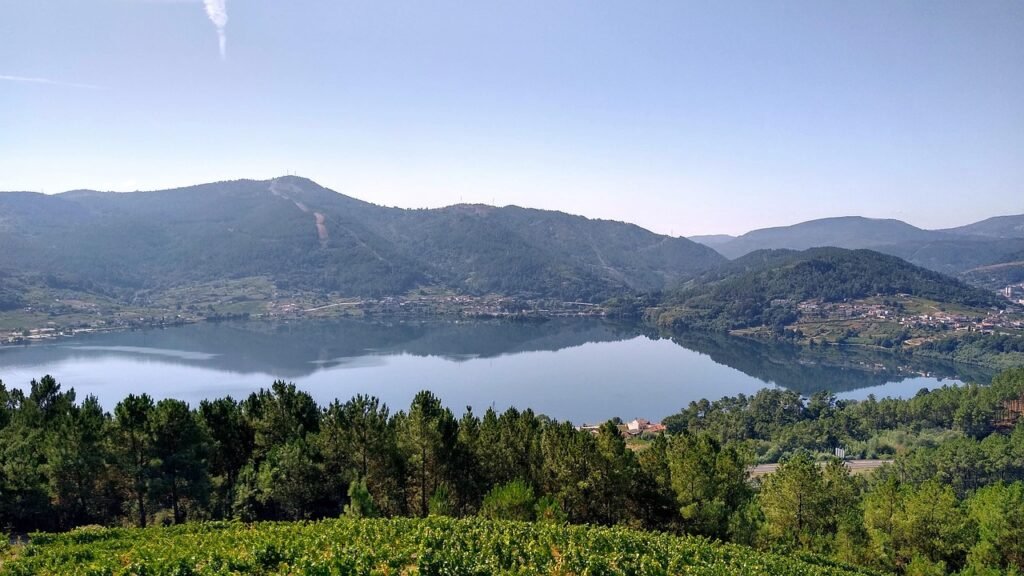
Location: Inland along the Miño, Avia, and Arnoia rivers
Climate: Transitional Atlantic–continental
Key grapes: Treixadura, Godello, Loureira, Torrontés
Ribeiro predates Rías Baixas in historical importance. For centuries, it was Galicia’s best-known wine region, supplying inland Spain and maritime trade.
Modern Ribeiro is defined by blends, not single varietals.
Treixadura forms the backbone:
- Moderate acidity
- Orchard fruit rather than citrus
- Broad, quietly structured palate
Supporting varieties add lift and aromatic nuance. Oak is used sparingly, if at all.
Ribeiro wines often:
- Feel softer than Albariño
- Show more mid-palate weight
- Excel with traditional Galician dishes
This is one of Galicia’s most misunderstood regions — subtle rather than showy, traditional rather than trendy.
Ribeira Sacra
Steep Slopes, Slate, and Atlantic Reds
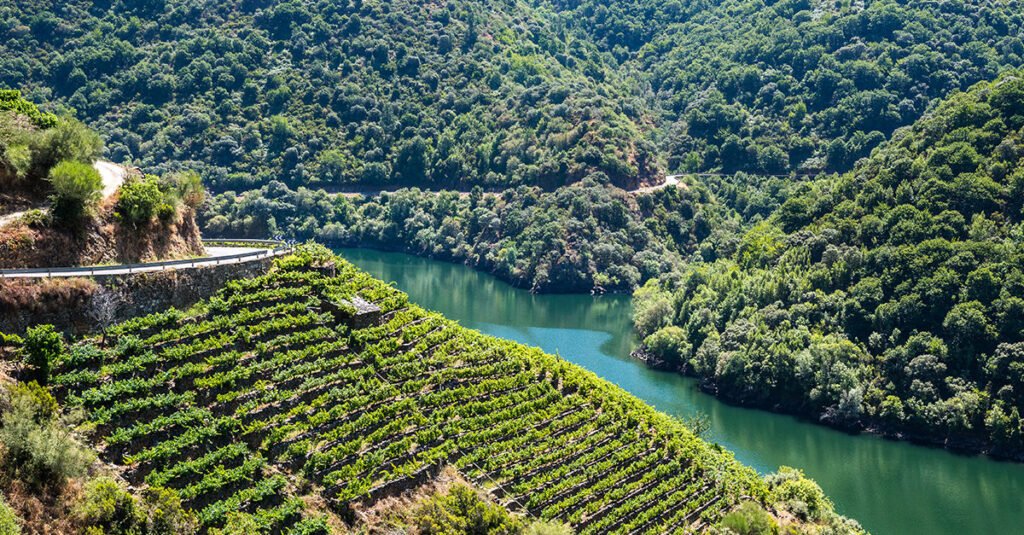
Location: Canyons of the Sil and Miño rivers
Climate: Atlantic with continental influence
Key grape: Mencía
Ribeira Sacra is Galicia’s most dramatic landscape and its most distinctive red-wine region.
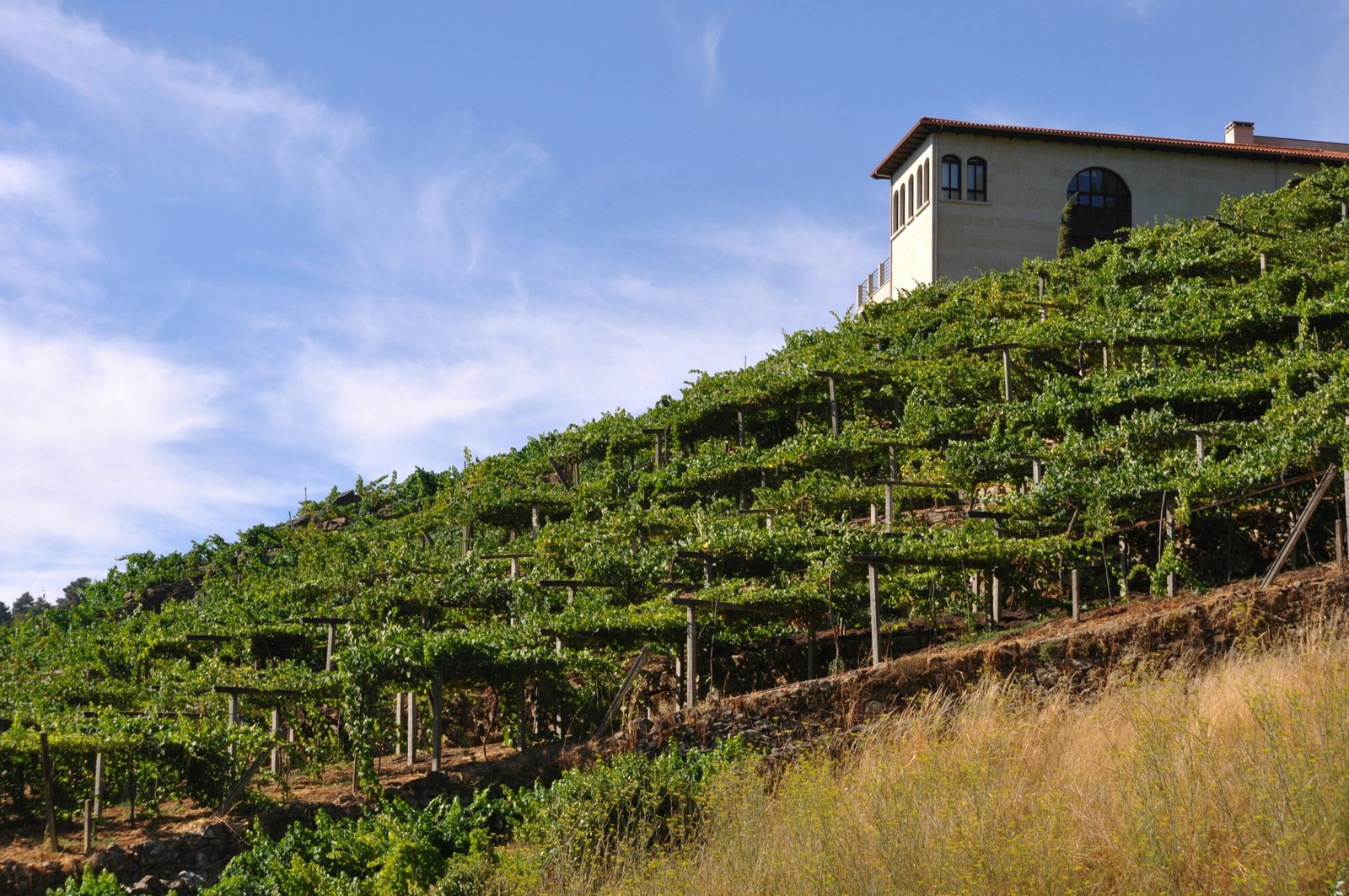
Vineyards here are often described as “heroic”:
- Extreme slopes
- Terraced plantings
- Manual labor only
Mencía in Ribeira Sacra is:
- Medium-bodied
- High-acid
- Floral, red-fruited, mineral
These wines are frequently mischaracterized as “light.” In reality, they are structurally precise, not dilute.
Oak, when used, is restrained. Alcohols remain moderate. The goal is expression of place, not extraction.
Ribeira Sacra has become a reference point in conversations about Atlantic red wine globally.
Valdeorras
Godello’s Serious Side
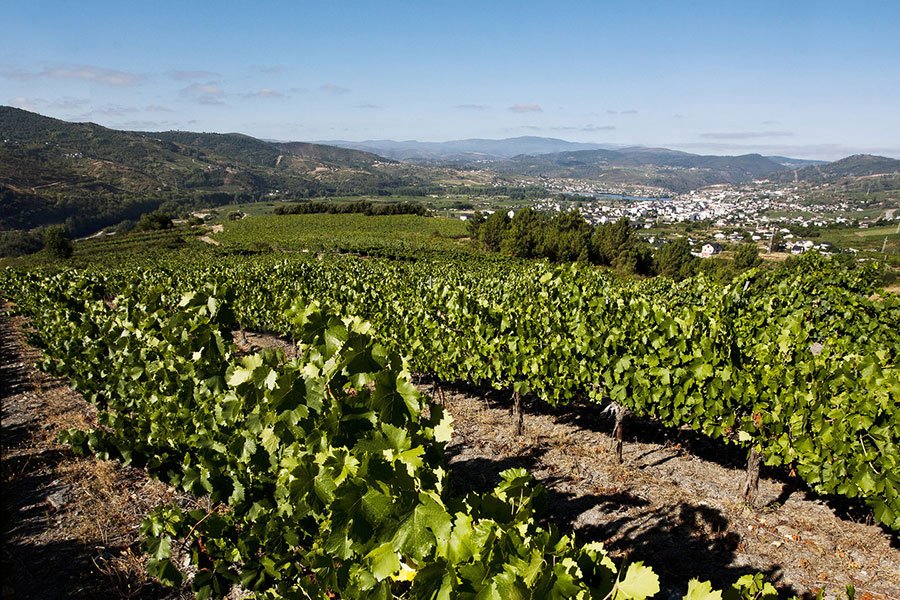
Location: Eastern Galicia, near Castilla y León
Climate: More continental, less rainfall
Signature grape: Godello
Valdeorras is the region most wine professionals quietly admire.
Godello here produces:
- Concentrated yet precise whites
- Aging-worthy examples with lees and oak
- A profile closer to white Burgundy in structure than to Albariño in aroma
Slate soils (especially in the Bibei valley) contribute tension and depth.
While reds exist, Valdeorras is defined by its whites — wines with weight, acidity, and longevity, not just freshness.
This is often the region that converts skeptics who think Galician wines lack seriousness.
A Note on Monterrei (Why It’s Often Excluded)
Monterrei is Galicia’s fifth Denominación de Origen, located in the southeast near Portugal.
It produces:
- Godello-based whites
- Mencía and blended reds
However:
- Production is small
- Export presence is limited
- Styles overlap with Valdeorras and northern Portugal
For most travelers and international readers, Monterrei is not yet a reference region — but it is worth watching.
Excluding it from a “major regions” overview is an editorial choice, not an oversight.
What Unites Galician Wine (Across Regions)
Despite regional differences, Galician wines share core traits:
- Natural acidity
- Moderate alcohol
- Emphasis on balance over power
- Compatibility with food
- Minimal manipulation
They are wines designed for tables, not tastings.
Why Galicia Matters Right Now
Galicia’s influence extends beyond Spain:
- It aligns with global demand for freshness and restraint
- It offers alternatives to warm-climate styles
- It rewards attention rather than spectacle
For drinkers fatigued by heaviness, Galicia feels not trendy — but necessary.
Final Perspective
Galicia is not chasing recognition. It’s earning it slowly.
Understanding its wine regions requires resisting simplification and respecting context. When you do, Galicia reveals one of Europe’s most coherent and quietly confident wine cultures.
Related Reading
Rías Baixas: Galicia’s Atlantic Wine Region
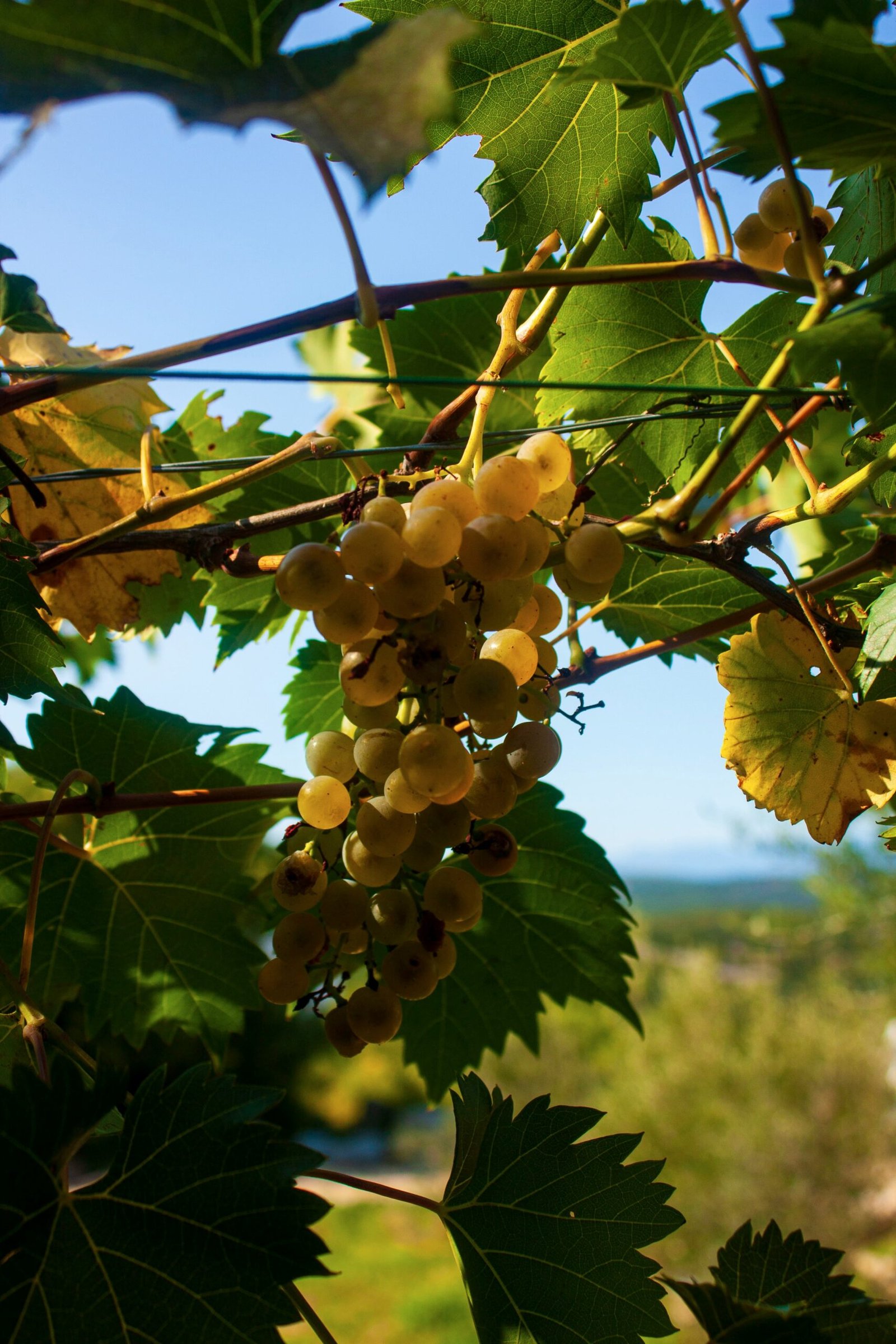
Albariño 101: The Complete Guide to Galicia’s Most Famous Wine
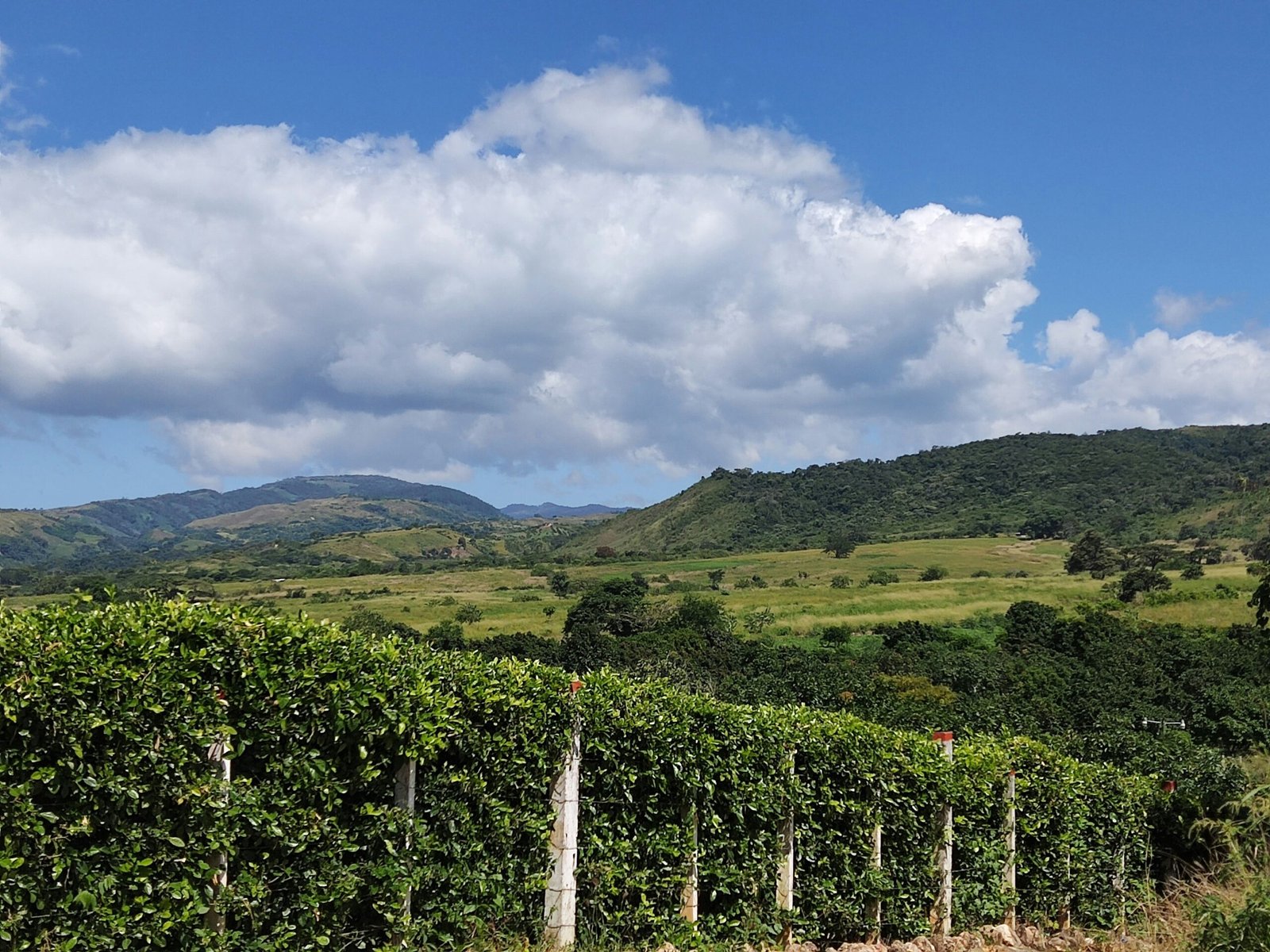
The Wines of Ribeiro: Galicia’s Ancient Wine Region Explained
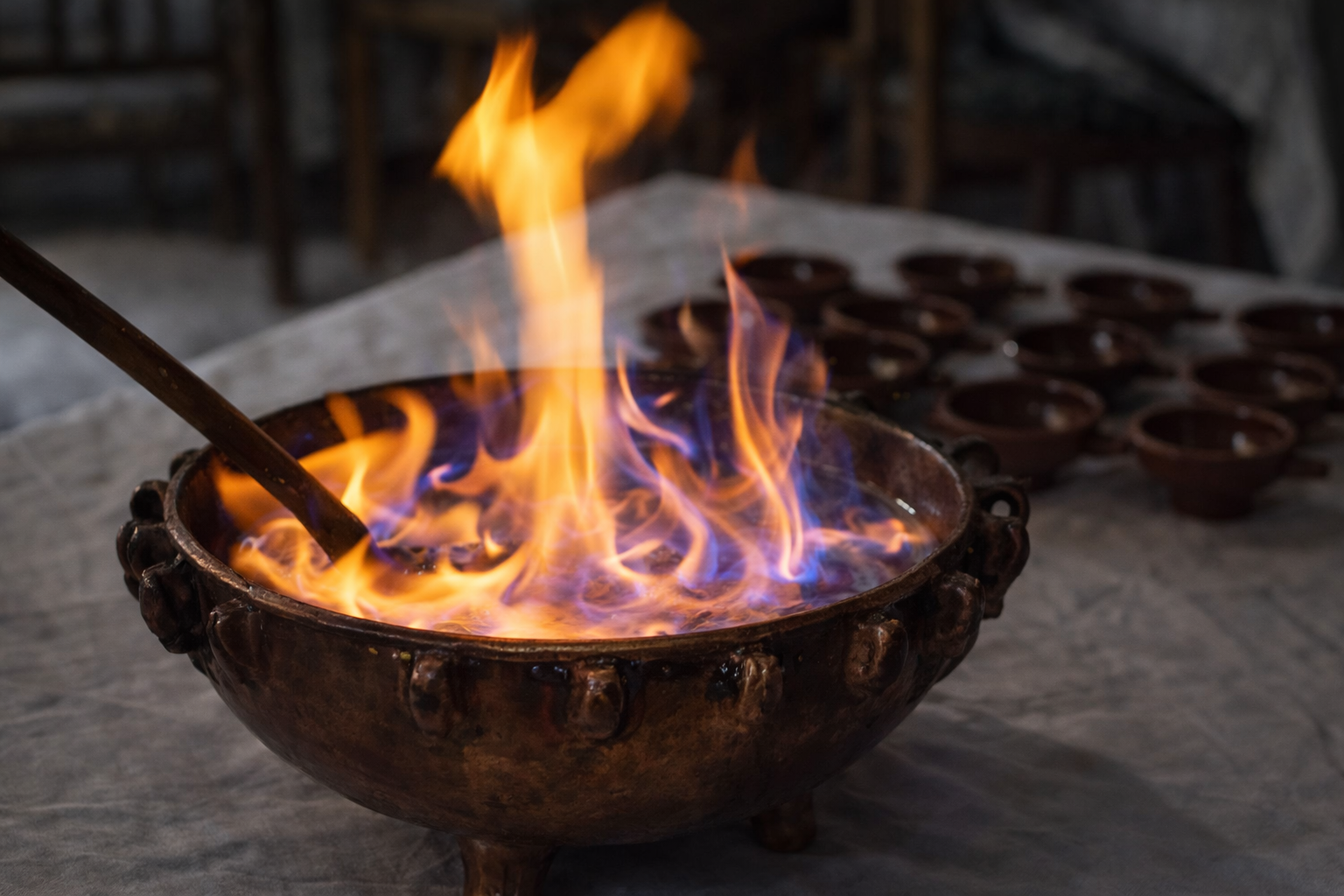
Traditional Galician Drinks: From Queimada to Licor Café