
The Cíes Islands: Visiting Galicia’s Most Beautiful National Park
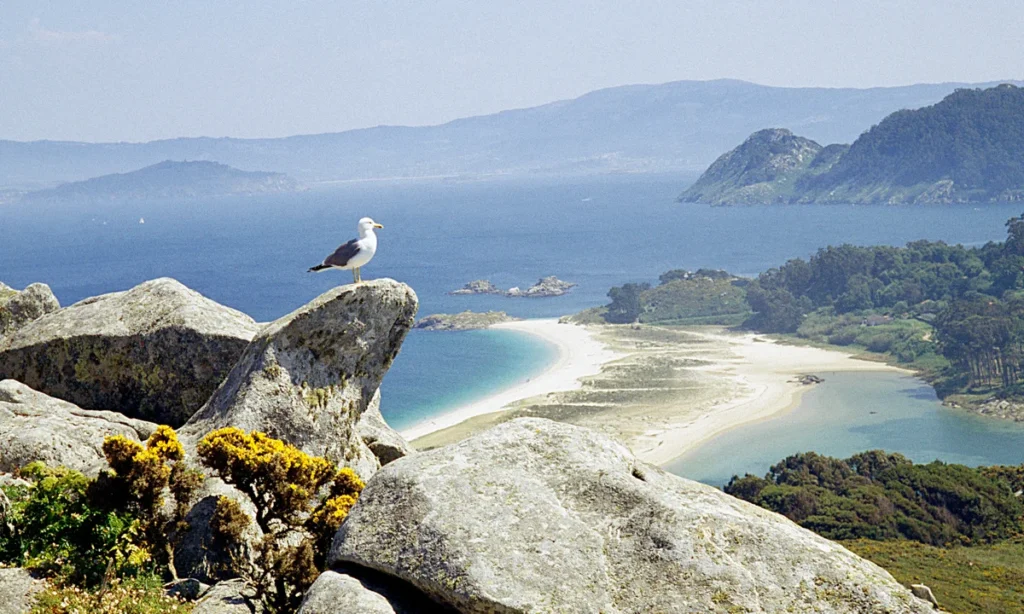
Few places in Europe feel as untouched and otherworldly as the Cíes Islands, a protected Atlantic paradise off the coast of Galicia in northwestern Spain. With white-sand beaches, clear turquoise water, dramatic cliffs, and lush green hills, the islands are often called “the Caribbean of Europe.”
Yet unlike other idyllic coastlines, the Cíes remain quiet, wild, and wonderfully preserved. No cars. No resorts. No beach bars. No crowds. Only a limited number of visitors may enter each day — meaning what you experience is nature at its purest.
CÍES ISLANDS: QUICK TRAVEL SUMMARY
Location: Off the coast of Vigo, Galicia, Spain — part of the Atlantic Islands of Galicia National Park
Known For: White-sand beaches, turquoise water, dramatic cliffs, protected wildlife
Best For: Nature lovers, hikers, photographers, quiet beach-goers, families, couples
Not For: Party travelers, luxury seekers, nightlife, heavy infrastructure tourism
Top Beaches: Rodas Beach, Figueiras Beach, Nosa Señora Beach
Top Hikes: Alto do Príncipe, Faro da Porta, Faro de Cíes (Lighthouse Trail)
Travel Season:
- Best: June–September
- Great for fewer crowds: May & October
- Limited ferries: Winter
- Daily Visitors: Strictly limited — reservations + authorization required
- Overnight Stay: Only at the official island campsite (no hotels or apartments)
- Getting There: Ferry from Vigo, Cangas, or Baiona (20–45 min)
- Permissions Needed: Yes — visitor authorization + ferry ticket (mandatory in high season)
What and Where Are the Cíes Islands?
The Cíes Islands form a small archipelago at the mouth of the Ría de Vigo in southern Galicia. They are part of the Atlantic Islands of Galicia National Park, recognized for their ecological importance and pristine condition.
The archipelago is made up of three islands:
- Monteagudo (North Island)
- O Faro (Middle Island)
- San Martiño (South Island) — accessible only by private boat
A sandbar joining Monteagudo and O Faro creates Rodas Beach, famously named one of the most beautiful beaches in the world by The Guardian.
Since 1980, the islands have been protected as a Nature Reserve, ensuring strict conservation rules and limited tourism.
Nature & Wildlife: Why the Cíes Are Ecologically Unique
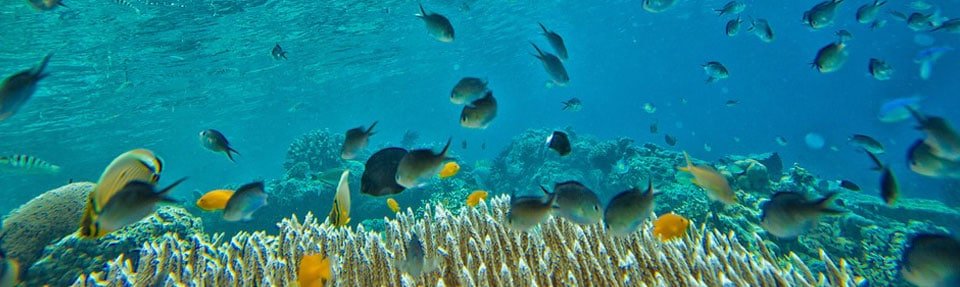
The Cíes host one of the richest ecosystems on the Galician coast.
Marine Life
The underwater world is exceptionally diverse thanks to nutrient-rich Atlantic currents:
- Octopus, lobsters, crabs
- Turbot, sole, plaice, sea bream
- Mussels, barnacles, razor clams
- Forests of brown algae and sea anemones
Dolphins and whales are commonly seen offshore.
Birdlife
The islands are one of Europe’s most important seabird sanctuaries, home to:
- One of the largest yellow-legged gull colonies in the world
- European shag (cormorant) populations
- Migratory species using the islands as resting points
Plant Life
Expect pine groves, coastal scrub, dune systems, and endemic plant species shaped by salt, wind, and Atlantic storms.
This is true wild nature, untouched and carefully preserved.
Why Visit the Cíes Islands? What Is There to Do?
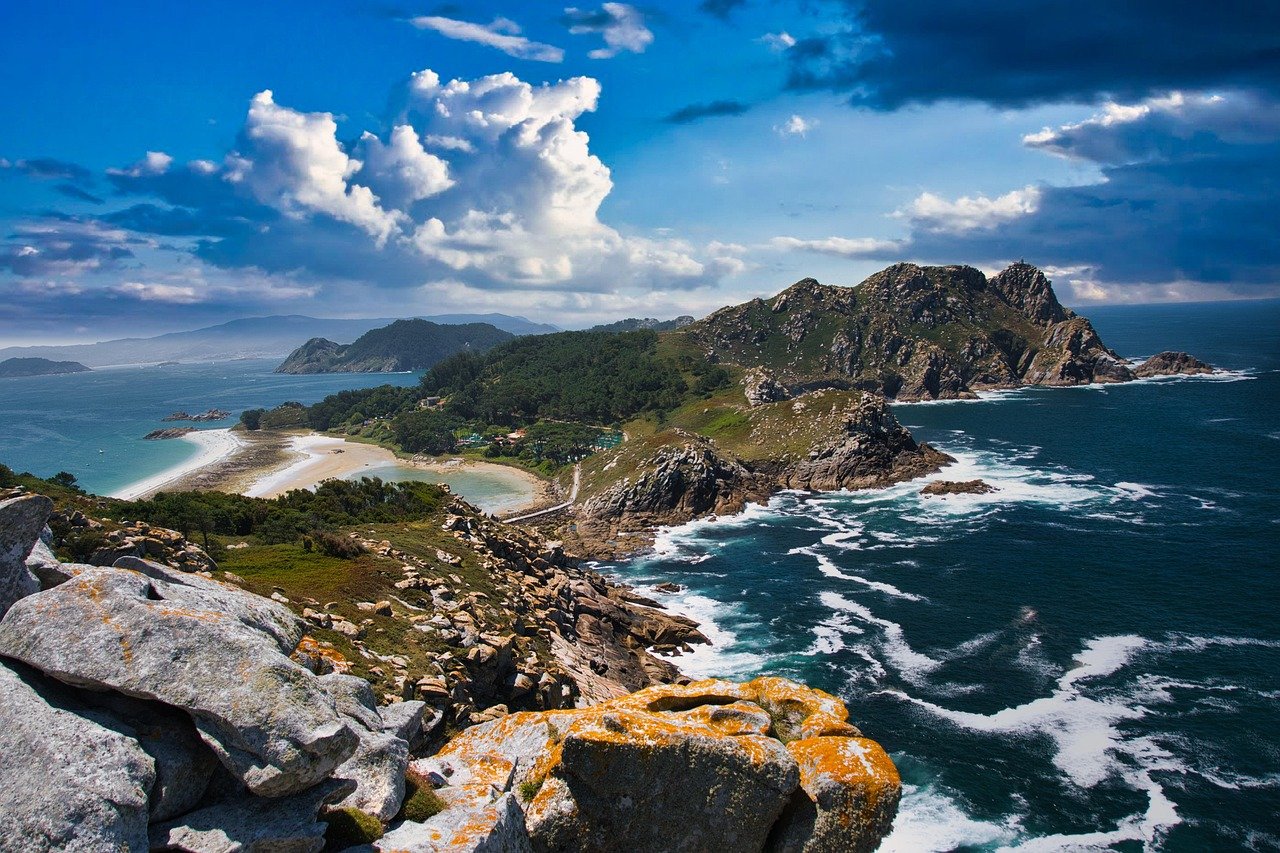
Despite their size, the islands offer a surprising variety of experiences:
1. Enjoy World-Class Beaches
The centerpiece is Playa de Rodas — a sweeping arc of white sand and turquoise water linking Monteagudo to O Faro. Calm lagoon on one side, open Atlantic on the other.
Other beaches worth visiting include:
- Playa de Figueiras — quieter, often used by naturists
- Playa de Nosa Señora — sheltered and scenic
- Playa de Bolos — small and rocky, ideal for snorkeling
2. Hike Spectacular Coastal Trails
The Cíes have well-marked hiking routes with breathtaking viewpoints:
Alto do Príncipe:
Panoramic views over the islands — the best introduction hike.
Faro de Cíes (Lighthouse Trail):
A longer climb with dramatic cliff views and open Atlantic scenery.
Monteagudo Route:
Less crowded, rich with birdlife.
3. Snorkeling & Wildlife Viewing
Clear waters make snorkeling excellent. Look for:
- Fish schools
- Rocky caves
- Seaweed forests
- Starfish & anemones
Birdwatchers will love the cliffs and nesting zones.
4. Disconnect Completely
There’s no car noise, no resort atmosphere, no nightlife — only nature.
It’s one of Spain’s best destinations for:
- Quiet coastal walks
- Slow travel
- Digital detox
- Photography
Sustainable Tourism on the Cíes Islands
The Cíes Islands are a model of sustainable tourism:
- Strict daily visitor limits
- No hotels or resorts
- Camping allowed only in the regulated campsite
- No littering (you must carry your trash back to the mainland)
- Wildlife and plants are strictly protected
- No fires, no fishing (except in controlled areas), no collecting shells
This ensures the islands stay as pristine as they are today.
How to Get to the Cíes Islands
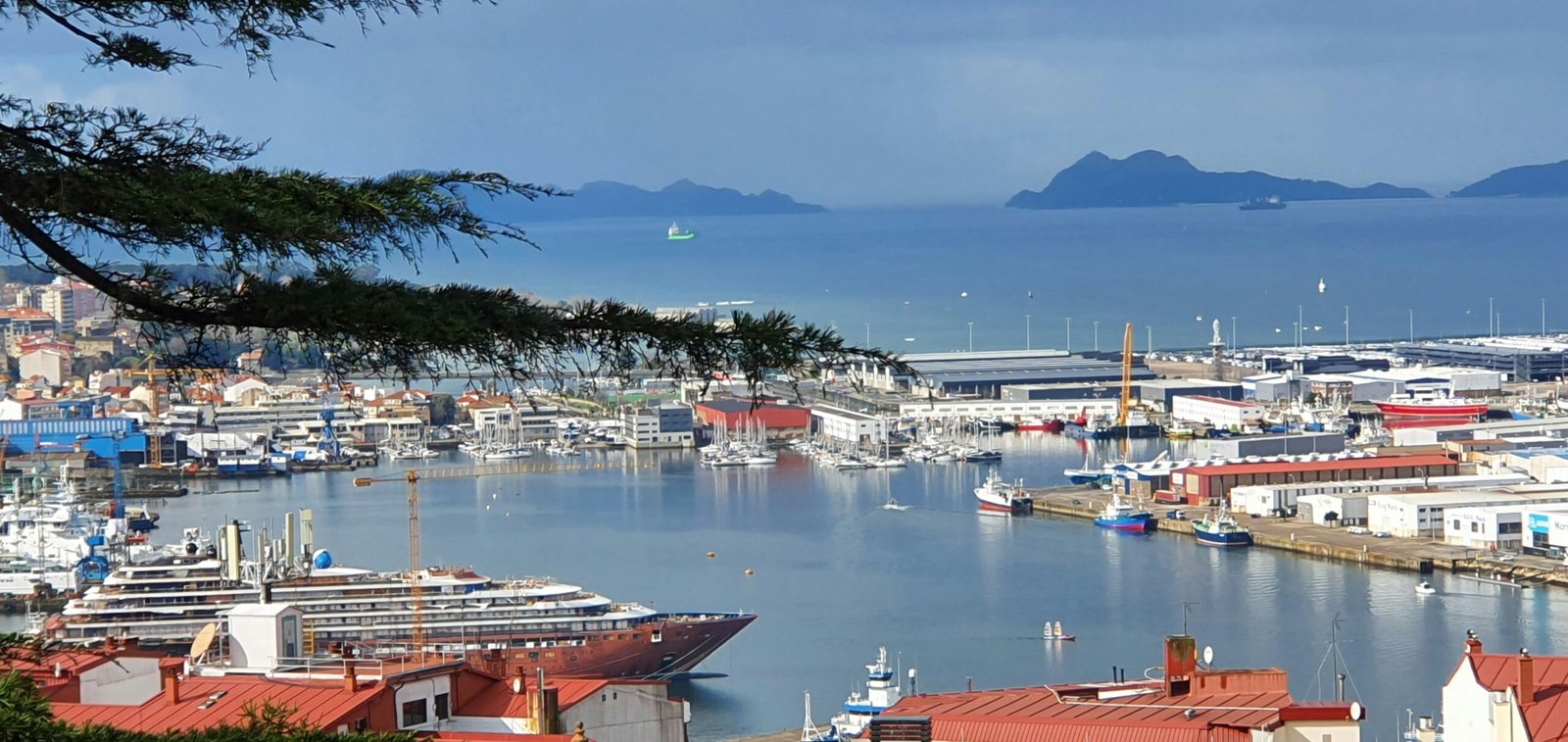
Main departure ports:
- Vigo (most frequent and convenient)
- Cangas
- Baiona
Step 1: Request Your Visitor Authorization
Required during high season. You’ll receive a code you give to the ferry company.
→Visitor Authorization (Xunta de Galicia)
Step 2: Book Ferry Tickets
Several companies operate ferries in summer and on select spring/autumn weekends.
→Ferry Tickets to the Cíes Islands
Travel Time:
20–45 minutes depending on your departure port.
Important:
- Ferries often sell out, especially in July–August.
- You cannot arrive without authorization + ticket or you will not be allowed to land.
Can You Stay Overnight?
Yes — but only at the official Cíes Islands campsite.
- Tents can be rented or you can bring your own
- Silent, stargazing-friendly
- Basic services only
- No hotels or apartments exist on the islands
Camping is one of the best ways to experience the islands at sunrise and sunset.
Who Should Visit the Cíes Islands?
Perfect for:
- Nature lovers
- Beach travelers
- Hikers
- Photographers
- Families
- Couples
- Anyone seeking quiet and unspoiled beauty
Not ideal for:
- Party travelers
- People needing luxury amenities
- Those who dislike hiking or natural settings
Best Time to Visit
June–September: best weather, warm water
April–May & October: fewer people, cooler air
Winter: ferries rarely operate

Best Beaches in Galicia
What To See in Santiago de Compostela

Ultimate Guide to Ribeira Sacra

What To Do in A Coruña

Prettiest Villages in Galicia
