
The Best Things to See in A Coruña
A Coruña is a coastal city shaped by the Atlantic — compact, walkable, and easy to settle into. Historic streets, open sea views, and everyday local life sit close together, making it a rewarding place to explore without rushing. This guide highlights the sights that genuinely matter, organized so you can move through the city naturally and enjoy it at an unhurried pace.
Calle Real & the City Center

Calle Real is the backbone of central A Coruña. It’s where the city feels most alive during the day: local shopping, cafés, offices, and constant foot traffic. Architecturally, it’s defined by late-19th and early-20th-century buildings, many featuring the city’s signature galerías coruñesas—enclosed glass balconies designed to protect homes from rain while maximizing light.
Beyond being a commercial street, Calle Real works as a practical orientation point. If you’re arriving from the port or moving toward the old town, you’ll likely pass through here naturally.
At the western end of Calle Real, you’ll reach the area around the Teatro Rosalía de Castro, a cultural landmark that marks the transition toward the historic center.
Obelisco & Méndez Núñez Gardens
Obelisco
The Obelisco stands at one of the city’s central crossroads. Built in 1894, it commemorates A Coruña’s brief but memorable connection to the transport of the Luxor Obelisk to Paris, which passed through the city a year earlier. Locals were so taken with the monument that they decided to create their own.
At the top is a four-sided clock that not only shows the time but also indicates wind direction, a small detail that reflects the city’s long relationship with the sea. One side of the monument features a relief portrait of Aureliano Linares Rivas, a former mayor of A Coruña.
Méndez Núñez Gardens
Just behind the Obelisco, these gardens provide a welcome pause from the surrounding streets. They’re home to several notable modernista structures, including Kiosko Alfonso and La Terraza, as well as the Palco de la Música, where concerts are occasionally held.
Scattered throughout the gardens are statues honoring important Galician cultural figures, such as Emilia Pardo Bazán and Curros Enríquez, reinforcing the area’s role as a civic and cultural space rather than just a park.
Avenida de la Marina & the Port
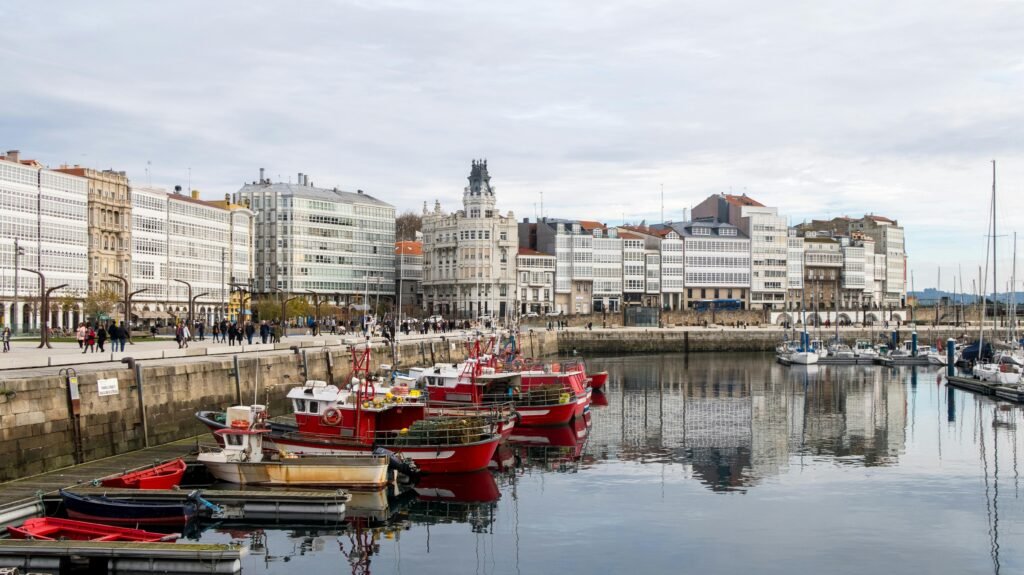
Avenida de la Marina is one of A Coruña’s most iconic stretches. The long row of waterfront buildings with enclosed glass balconies is the reason the city is often called “La Ciudad de Cristal”.
Historically, these buildings were associated with fishing families. The glass galleries served a practical purpose: they protected interiors from Atlantic rain and wind while helping regulate temperature—warmer in winter, cooler in summer—and offering clear views of the port.
Today, this area is ideal for a relaxed stop, especially in warmer months. Several terraces line the waterfront, making it a pleasant place to sit with a drink and watch activity in the harbor. A good local option is Obdulia, known for pairing drinks with a pincho de tortilla at a reasonable price.
Boat trips departing from the port occasionally offer short coastal views of the city from the sea, though these are more of a nice extra than a must-do.
San Antón Castle
San Antón Castle dates back to the 16th century and was originally built to defend the city. Over time, it served multiple purposes: a defensive fortification, a prison, and later a quarantine site for sailors arriving with infectious diseases.
Since 1968, the castle has housed A Coruña’s Archaeological and History Museum, and it was declared a historical-artistic monument shortly afterward. Inside, you’ll find archaeological artifacts, historical exhibits, a small library, and rotating exhibition spaces.
It’s a manageable visit that provides solid historical context without requiring a large time commitment.
Opening hours (subject to change):
- Winter (Sept–June): Tue–Sat 10:00–19:30; Sun & holidays 10:00–14:30
- Summer (July–Aug): Tue–Sat 10:00–21:00; Sun & holidays 10:00–15:00
(Entry closes 30 minutes before closing.)
Tickets: inexpensive, with reduced and free options available. Saturdays are free year-round.
Old Town (Cidade Vella)
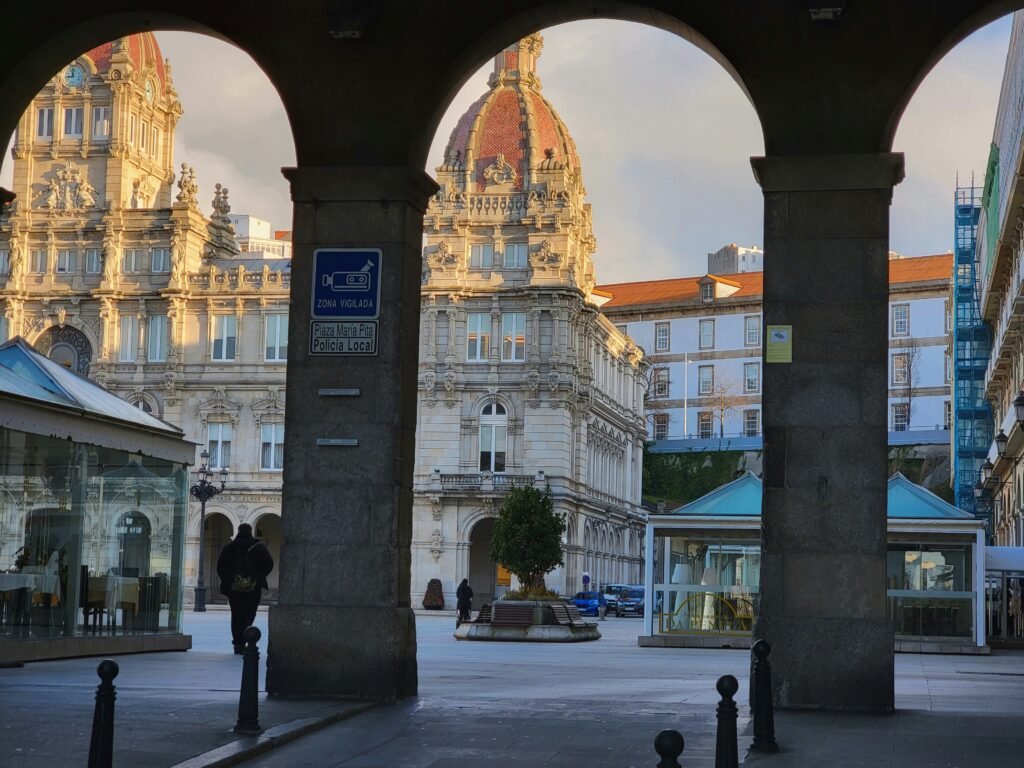
A Coruña’s old town begins just beyond Plaza de María Pita and is compact enough to explore on foot without a plan.
Plaza de María Pita
The city’s main square is named after María Pita, a local heroine celebrated for her role in defending A Coruña during an English attack in the late 16th century. Her statue stands at the center of the plaza, with the City Hall forming the backdrop.
Casa Museo María Pita
Located nearby, this small museum focuses on María Pita’s life and on daily life in A Coruña during the 16th and 17th centuries. It also hosts temporary exhibitions. Entry is free, though capacity is limited, making it a short, efficient visit.
Plaza de Santa Bárbara & Convent
This quiet square is home to the Convento de Clausura de las Madres Clarisas, established in the 15th century. On the façade, a Gothic relief from the 14th century depicts the Last Judgment.
Plaza General Azcárraga
Also known as Plaza de la Harina, this square once functioned as a market. Today it’s one of the city’s most charming spots, shaded by trees and centered around the Fuente del Deseo, a Paris-made fountain featuring a female figure symbolizing desire.
Colegiata de Santa María del Campo
Known as Santa María del Mar, this Romanesque-Gothic church has long been associated with sailors. Traditionally, crews would visit after returning safely from sea voyages to give thanks.
San Carlos Garden
Originally a military storage site, this area was later converted into public gardens. It contains the tomb of Sir John Moore, British general, and still preserves parts of the old defensive walls. The views over the port are particularly good.
Iglesia de Santiago
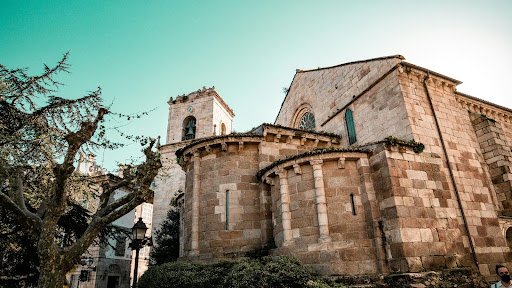
Considered the oldest church in A Coruña, this Romanesque building was historically linked to pilgrims arriving by sea on their way to Santiago de Compostela. It was declared a protected cultural monument in 1972.
Mercado de San Agustín
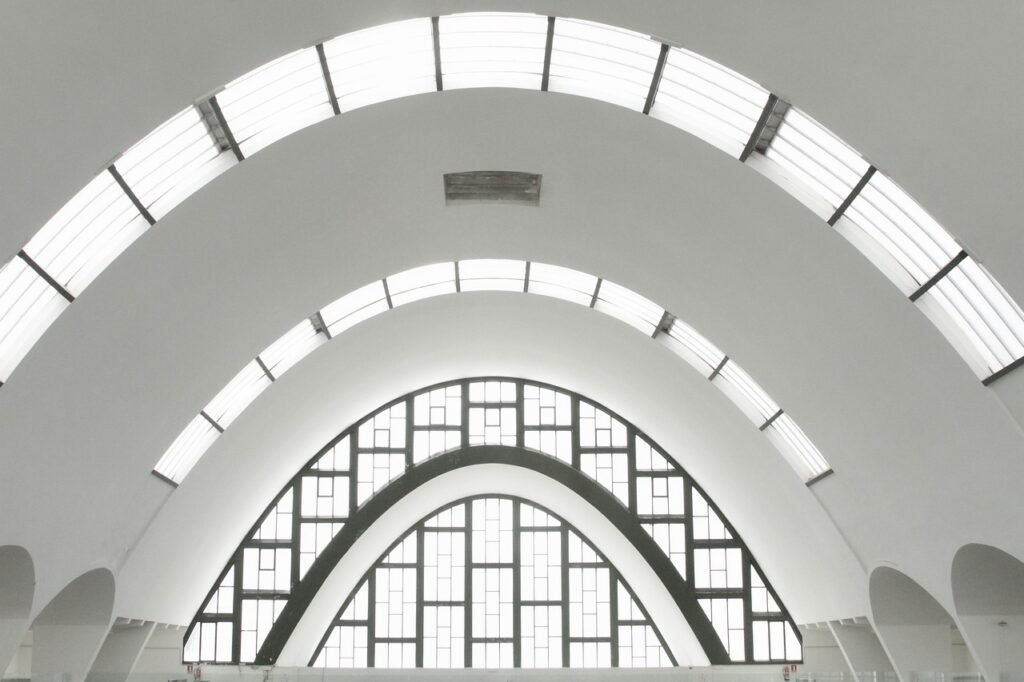
This traditional market hall is notable for its modern architectural design, inspired by a market in Reims, France. While it’s an important example of 20th-century architecture in Galicia, expectations should be realistic: many stalls may be closed depending on the day and time.
That said, it’s still a worthwhile stop for:
- artisanal Galician cheeses
- honey, biscuits, and local pantry products
- a glimpse into everyday food shopping in the city
Inside, the bakery is known for empanada de pulpo, a popular local choice.
Beaches & the Seaside Promenade
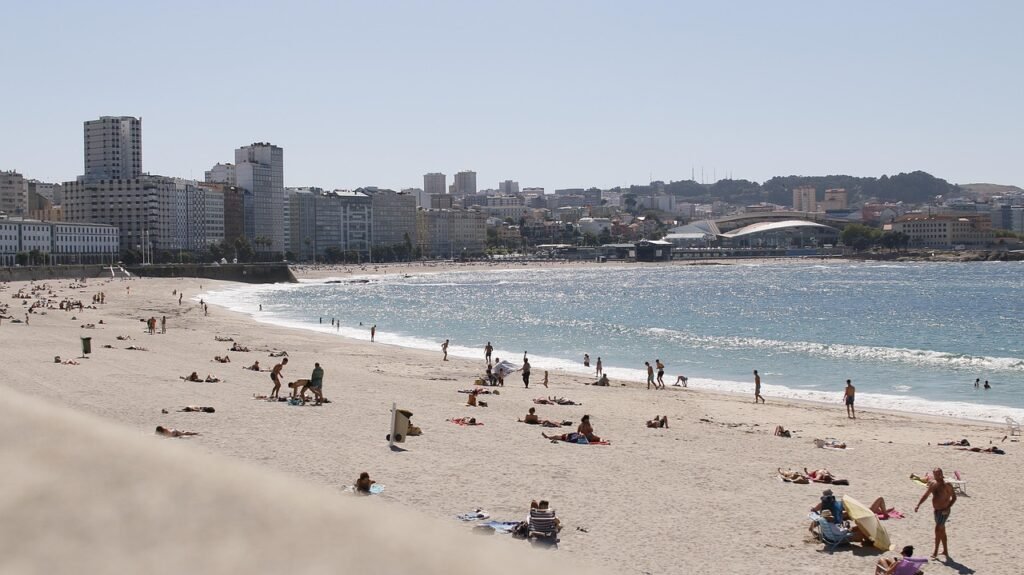
A Coruña’s beaches are unusually central and connected.
- Riazor, Orzán, and Matadero form one continuous urban beach area.
- San Amaro is a smaller, more sheltered beach near the old town, popular with locals and a good option on windier days.
- As Lapas is a smaller, more sheltered beach near the Tower of Hercules.
Beach season typically runs from May to September, with mild temperatures compared to much of Spain. A walk or bike ride along the seaside promenade—from Riazor toward the Tower of Hercules—is one of the best ways to experience the city on a clear day.
Along the way you’ll pass landmarks such as the Monumento a los Héroes de Orzán, Fuente de los Surfistas, and Parque del Matadero.
On June 23, locals celebrate San Juan on the beaches with bonfires and gatherings.
Tower of Hercules & Sculpture Park
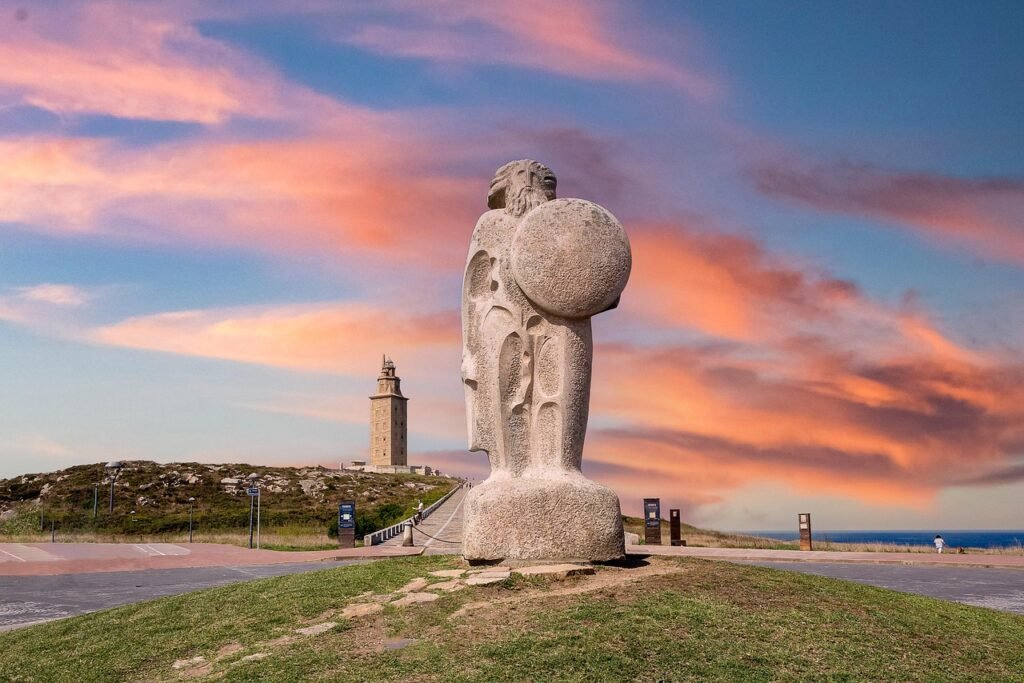
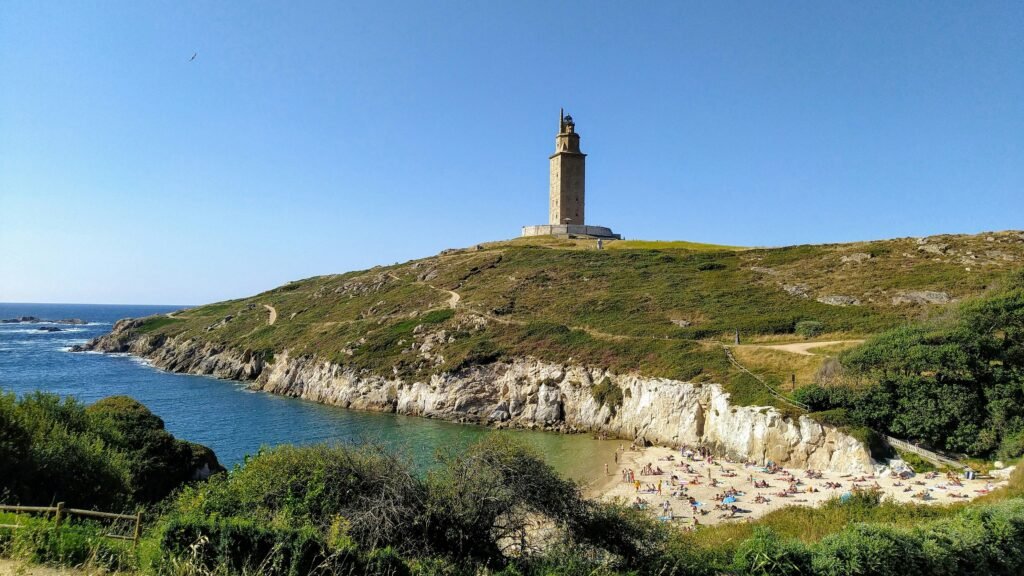
The Tower of Hercules is A Coruña’s defining landmark. Built between the late 1st and early 2nd centuries, it is the only Roman lighthouse still functioning in the world and has been a UNESCO World Heritage Site since 2009.
Visitors can climb inside the tower for panoramic views of the Atlantic and the city. Tickets and schedules vary seasonally and are best booked through the official site.
Surrounding the tower is a large open sculpture park overlooking the ocean. The park includes works inspired by maritime myths and navigation, such as Breogán, Menhires, and Hércules en la nave de los argonautas. At the base of the tower, you’ll also find the Rosa de los Vientos, a large compass rose embedded in the ground.
Monte de San Pedro
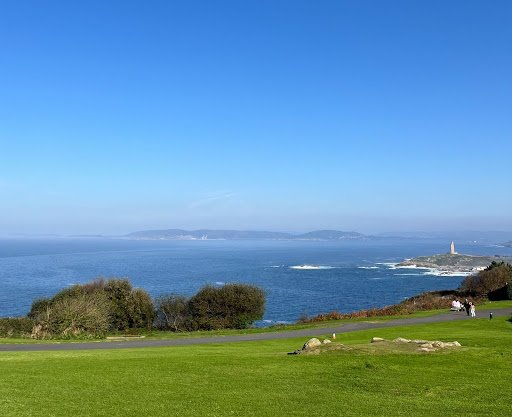
Once a military defense site, Monte de San Pedro is now one of the city’s best viewpoints. From the top, you can see the full sweep of the coastline, beaches, and urban center.
The park includes remnants of old artillery batteries, a small maze, and walking paths. There are two restaurants on site:
- Árbore da Veira (fine dining, Michelin-recognized)
- Taberna 5 Mares (more casual, still on the higher end)
Getting there:
- On foot: about 40 minutes from Riazor Stadium along the coast
- Taxi/car: easiest; free parking available
- Bus: several city lines serve the area
The panoramic glass elevator is currently out of service (2025), so plan accordingly.
Museums: Optional Visits
MEGA – Museo Estrella Galicia
A multi-floor, interactive museum dedicated to beer culture and brewing, not just the Estrella Galicia brand. The visit follows the brewing process and ends with a tasting. It’s especially appealing to beer enthusiasts.
Tickets vary by experience and are best booked online. Guided tours are primarily in Spanish, though other languages may be available by request.
Casa Museo Picasso
This free museum occupies the building where Pablo Picasso lived as a child during his family’s stay in A Coruña in the 1890s. One floor focuses on that period, while others host temporary cultural exhibitions. It’s a short, worthwhile visit, especially given the city’s role in Picasso’s early life.
Tapas Streets & Eating Areas
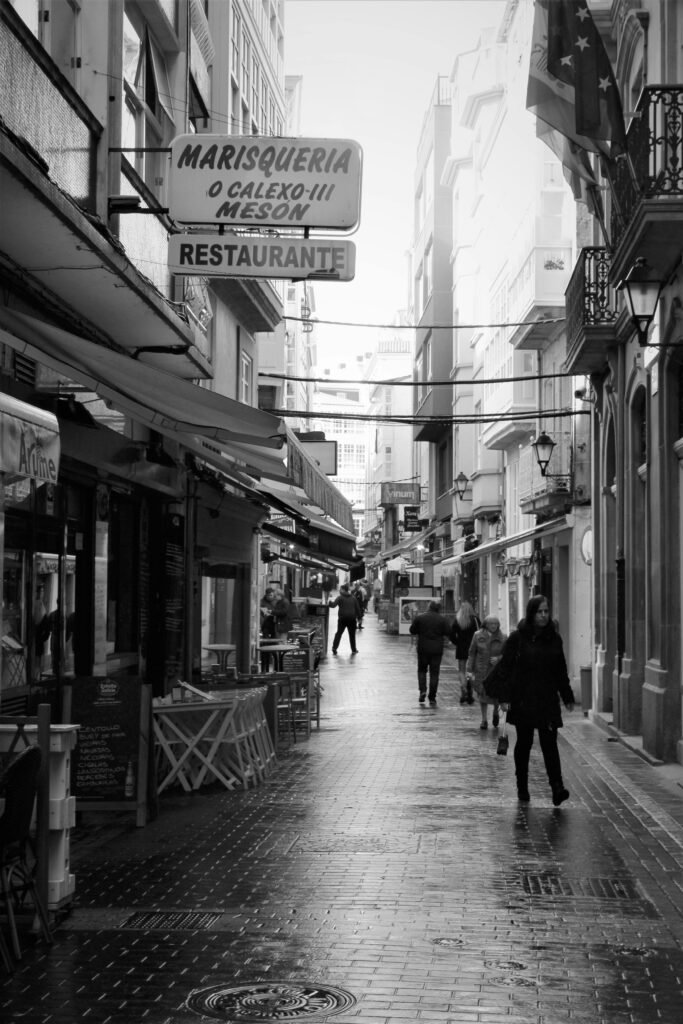
Central A Coruña has a dense cluster of streets known for tapas and casual dining:
- Rúa Olmos
- Rúa Galera
- Rúa Torreiro
- Rúa Barrera
- Rúa Franja
A simple route is to start near the Obelisco and move through Rúa Olmos, or begin in Plaza de María Pita and work your way along Rúa Franja.
Santa Margarita Park
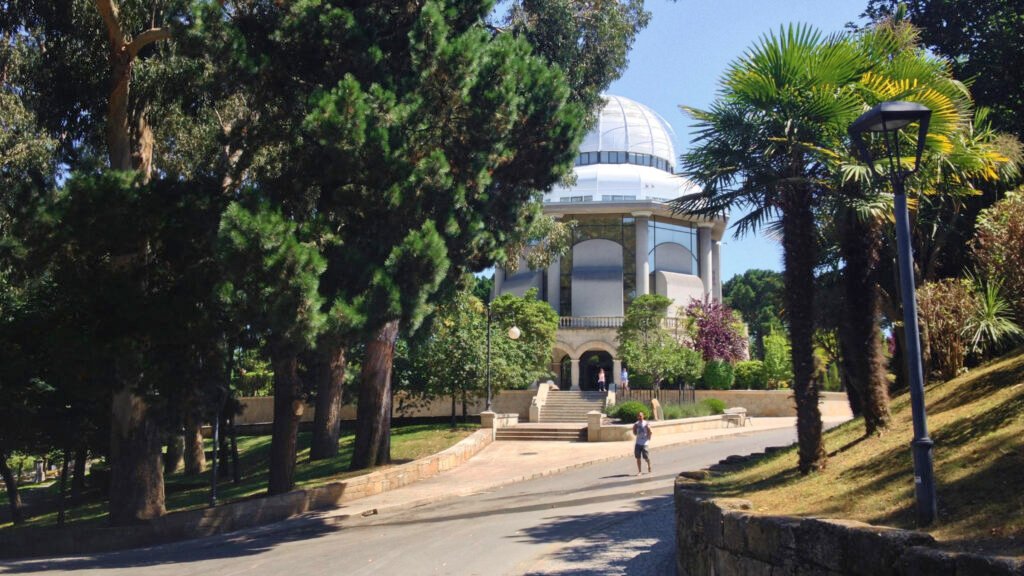
The largest park in the city, Santa Margarita Park is a green space used mainly by locals. Inside, you’ll find Casa das Ciencias, a science museum, and nearby landmarks like the Palacio de la Ópera. Opening hours vary with daylight.
When to Visit A Coruña & How Much Time You Need
A Coruña works best as a one- or two-day city. One full day is enough to see the old town, waterfront, and central sights. Two days allows time for beaches, museums, and viewpoints without rushing.
The most pleasant months to visit are May through September, when daylight is long and temperatures are mild. Unlike much of Spain, summers here are rarely extreme, but wind and changing weather are common year-round—layers are useful even in summer.
Getting Around the City

A Coruña is easy to get around without a car. Most central sights are walkable, especially within the city center and old town. For longer distances or hills like Monte de San Pedro, the bus network is reliable and well-covered, and taxis are affordable. Apps like Moovit or iTranvías help make routes and schedules easier to understand.
The city also has a public bike system (the blue bikes), with both standard and electric options, and continues to expand bike lanes and cycling infrastructure, particularly along the seafront.
Map of Key Sights in A Coruña
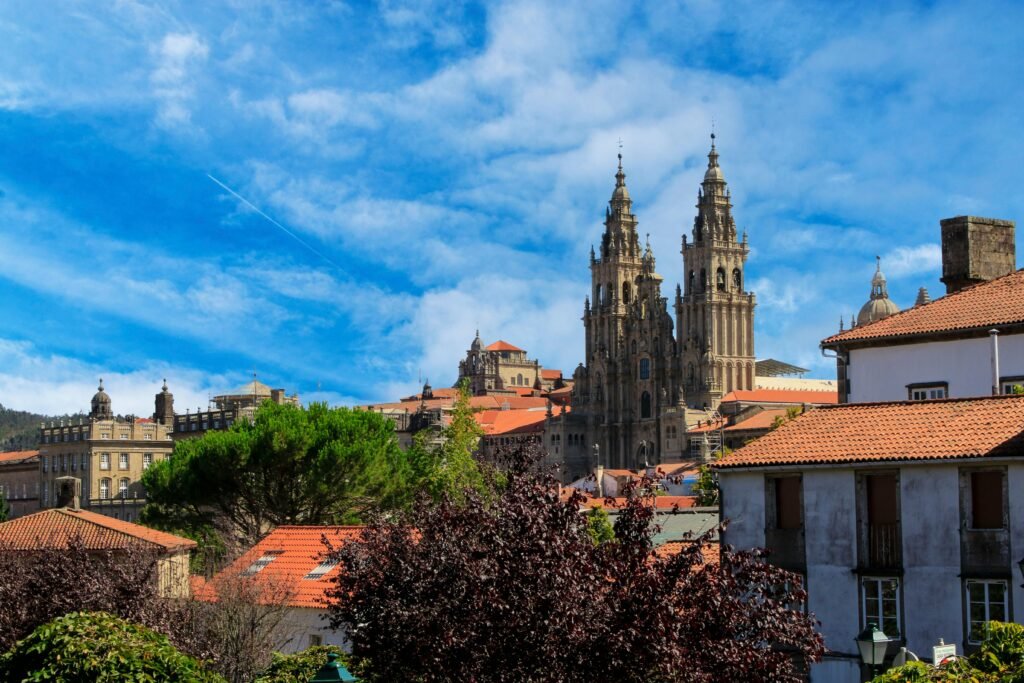
What To See in Santiago de Compostela

The 7 Cities of Galicia Explained

Best Beaches in Galicia

The Cíes Islands: Visiting Galicia’s Most Beautiful National Park

Ultimate Guide to Ribeira Sacra
