
Best Shoes for the Camino de Santiago (What Actually Works)
Choosing the right shoes for the Camino matters more than almost any other gear decision you’ll make.
Blisters, joint pain, and fatigue are rarely caused by distance alone — they’re caused by footwear that isn’t suited to long, repetitive walking on hard surfaces. The Camino is not a technical mountain hike. It’s hours of pavement, gravel paths, compact dirt, and occasional cobblestone, day after day.
The good news is that most pilgrims don’t need complicated footwear.
The bad news is that many still bring the wrong shoes.
This guide explains what actually works on the Camino, which shoes most pilgrims are happiest with, and how to avoid the mistakes that turn a manageable walk into a painful one.
The Single Most Important Thing to Understand
The Camino is repetitive, not technical.
You are not scrambling over rocks or carrying climbing gear. You are walking 15–30 km per day on mixed but generally forgiving terrain. Over time, that repetition stresses your feet, knees, and hips far more than steep elevation or rough trails.
That’s why weight, cushioning, and fit matter more than ankle support or ruggedness.
The Best Choice for Most Pilgrims: Trail Runners
For roughly 90% of Camino walkers, trail runners are the best option.
They consistently outperform hiking boots in comfort, recovery, and overall foot health — especially on routes like the Camino Francés, Portugués, Inglés, and most of the Norte.
Why trail runners work so well on the Camino
Trail runners are:
- Lightweight, reducing fatigue over long days
- Well-cushioned, especially for pavement and compact dirt
- Breathable, which helps prevent blisters
- Quick-drying after rain or washing
- Easier on joints than stiff boots
Most pilgrims who switch from boots to trail runners say the same thing:
their feet feel better at the end of the day — and recover faster overnight.
Why Traditional Hiking Boots Are Usually the Wrong Choice
Hiking boots aren’t bad shoes — they’re just designed for a different job.
On the Camino, boots often create more problems than they solve.
Common issues with boots on the Camino
- Heavier weight increases fatigue over time
- Slower drying after rain or washing
- Stiffer soles can aggravate knees and hips
- Extra ankle support is rarely needed on standard routes
Boots can make sense if:
- you’re walking in winter
- you’re carrying a heavier pack
- you have known ankle instability
But for most pilgrims, they are unnecessary — and often regretted.
What Matters More Than Brand
Before looking at specific models, understand this:
Fit and cushioning matter more than brand or price.
A €200 shoe that fits poorly will ruin your Camino faster than a €70 shoe that fits your foot properly.
Focus on:
- no pressure points when walking downhill
- enough room in the toe box
- cushioning that feels comfortable after hours of walking
Recommended Trail Runners for the Camino
These models are popular with long-distance walkers because they balance cushioning, durability, and comfort. You don’t need to choose one of these exact shoes — but if you choose something similar in design and fit, you’ll be on solid ground.
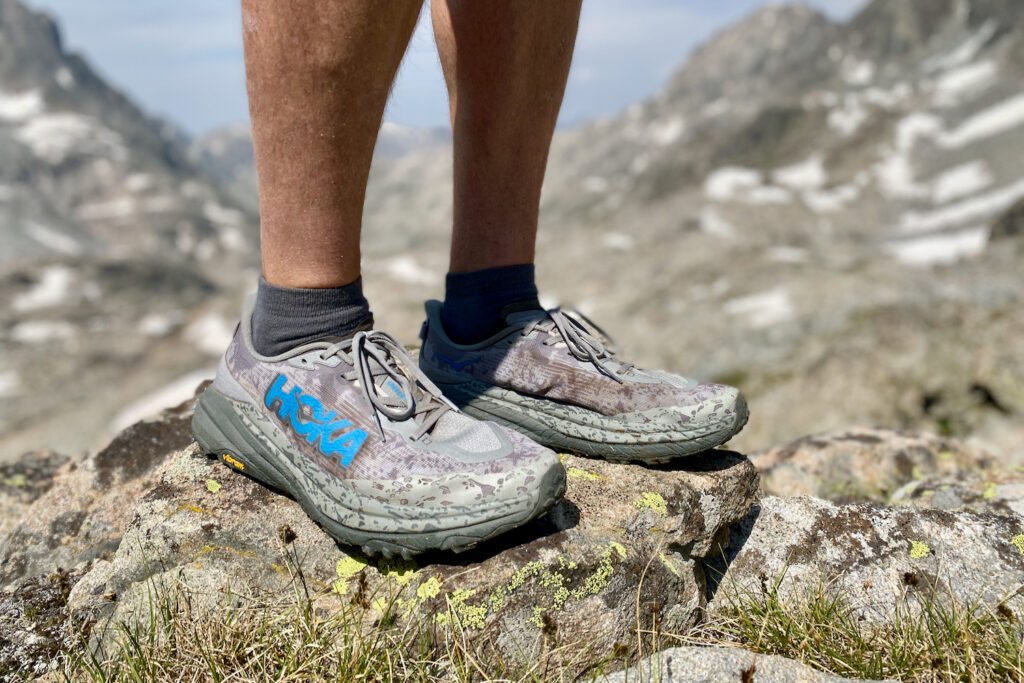
Hoka Speedgoat
A favorite among pilgrims who want maximum cushioning for long days on hard surfaces.
- Excellent shock absorption
- Comfortable for consecutive long stages
- Especially good for heavier walkers or sensitive joints


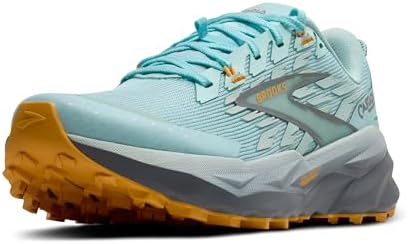
Brooks Cascadia
A more stable, versatile trail runner with moderate cushioning.
- Balanced feel for mixed terrain
- Durable and reliable
- Good option if you prefer a slightly firmer ride

Salomon Sense Ride 5
A balanced, lightweight trail runner that works well for long days on mixed surfaces.
- Moderate cushioning without a bulky feel
- Stable, secure fit for extended walking
- Light and flexible for pavement, gravel, and trail
- Good option if you prefer a responsive shoe over a plush one


If You Have Wide Feet or Prefer a Natural Toe Box
Pilgrims with wider feet or forefoot pressure often struggle in standard trail runners, especially as feet swell over consecutive days.
Shoes with a foot-shaped toe box allow more natural toe splay and reduce friction over long distances. This can significantly improve comfort for walkers who consistently feel cramped in conventional designs.
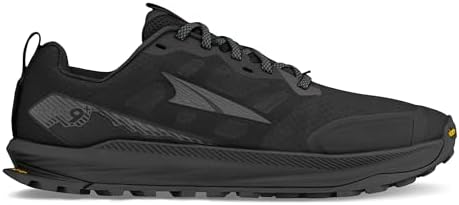
Altra Lone Peak 9
A popular choice among long-distance walkers who need more room in the forefoot.
- Wide, foot-shaped toe box reduces pressure and crowding
- Flexible feel that adapts well to natural foot movement
- Favored by pilgrims with wider feet or swelling over long days

Situational & Alternative Picks
Budget & First-Camino Options
You do not need an expensive shoe to walk the Camino comfortably.
For first-time pilgrims or those prioritizing value, a reliable, well-fitting shoe with adequate cushioning can work very well — provided it’s broken in properly before starting.
Merrell Moab 3 (Low)
A dependable, widely used option for walkers who prefer a traditional shoe feel.
- Comfortable out of the box with good underfoot cushioning
- Stable and supportive on mixed terrain
- Solid value choice for a first Camino or tighter budget


Road-Trail Hybrids for Urban-Heavy Routes
Some Camino routes include long paved sections and frequent town walking.
In these cases, shoes designed to balance road comfort with light trail capability can feel smoother and less fatiguing than more aggressive trail runners.
Nike Pegasus Trail 5
A road-trail hybrid suited to pavement-heavy routes and smoother terrain.
- Smooth, cushioned ride on hard surfaces
- Flexible feel for long urban stages
- Works best on flatter routes with minimal mud


Wet Conditions, Mud, and Aggressive Tread
In consistently wet or muddy conditions, traction can matter more than cushioning.
Shoes with aggressive tread patterns grip soft ground well but often feel stiff and uncomfortable on pavement. They are a situational choice, not a default option.
Salomon Speedcross 6
Designed for soft ground, mud, and wet conditions where traction is critical.
- Aggressive lugs provide excellent grip on muddy terrain
- Secure fit in slippery conditions
- Best reserved for wet seasons or consistently soft ground


More Support & a Locked-In Feel
Some walkers prefer a more structured shoe with a secure, supportive feel underfoot. This can make sense if you value stability over flexibility or plan to walk rougher terrain.
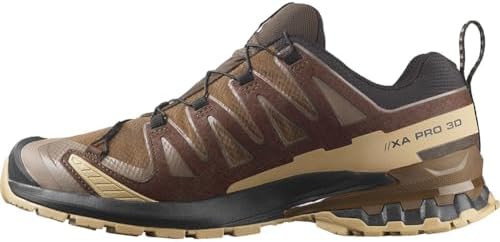
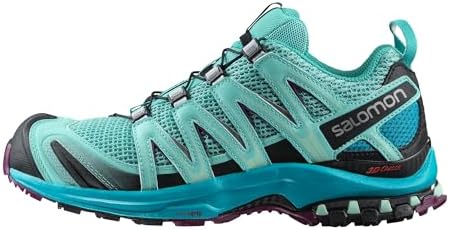
Salomon XA Pro 3D
A structured trail runner with a stable, locked-in feel.
- Supportive midfoot with a secure fit
- Durable build for mixed and uneven terrain
- Good choice if you prefer structure over softness
Lighter Salomon Option (More Flexible Ride)
Not everyone wants the stiffness of highly structured trail shoes. For walkers who like Salomon’s fit but want a smoother, more flexible ride, lighter models can be a better match.
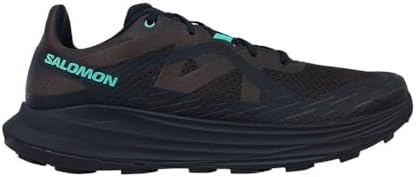
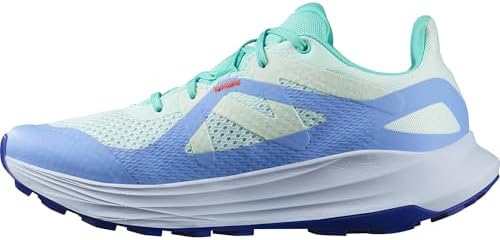
Salomon Ultra Flow
A lighter, more flexible trail runner designed for long days on mixed surfaces.
- Smoother ride on pavement and compact dirt
- Breathable and less rigid than structured Salomon models
- Better suited to dry conditions and longer paved stages
How to Size Your Camino Shoes Correctly
Many Camino shoe problems come down to sizing — not the shoe itself.
Follow these rules:
- Buy shoes ½ to 1 size larger than your normal size
- Make sure your toes do not touch the front when walking downhill
- Try shoes on at the end of the day, when your feet are swollen
Your feet will expand during long walks. Planning for that prevents black toenails and painful descents.
Shoes vs Sandals vs Carrying a Second Pair
You only need one primary walking shoe.
Carrying two full pairs of walking shoes is unnecessary weight and rarely worth it.
A better system:
- One pair of trail runners for walking
- Lightweight sandals or flip-flops for evenings and showers
Your feet will appreciate the break — and your pack will stay lighter.
Lightweight Sandals for Evenings & Recovery
Teva Hurricane XLT2
A simple, durable sandal for non-walking use.
- Comfortable for evenings and town walking
- Suitable for showers and shared facilities
- Not intended as primary walking footwear


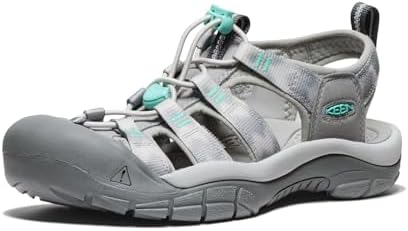
Keen Newport H2
A more structured sandal with added protection.
- Closed-toe design offers more stability
- Comfortable for recovery and casual wear
- Heavier than minimalist sandals but more supportive

Common Camino Shoe Mistakes to Avoid
These mistakes are responsible for most Camino foot pain:
- Bringing brand-new shoes (break-in is mandatory)
- Choosing heavy leather boots “just in case”
- Wearing road running shoes with no grip
- Packing two full pairs of walking shoes
- Ignoring fit because a shoe is “popular”
If your shoes aren’t comfortable on a 15–20 km practice walk, they won’t magically improve on the Camino.
Final Verdict: What Most Pilgrims Should Choose
If you want the simplest, safest recommendation:
- Choose well-cushioned trail runners
- Size up slightly
- Break them in properly before Day 1
That single decision prevents more pain than almost any other gear choice.
For a complete context on what to pack — and how to keep your load light — see our full Camino packing guide.
Plan Your Camino

What is the Camino de Santiago?

Which Camino Route is for You?

Essential Camino Packing Guide: What you Really Need

Best Backpack for the Camino (2026 Guide)

How Much Does It Cost to Walk the Camino? Budget vs. Comfort Travelers
