
The Most Beautiful Villages in Galicia:
12 Places Worth the Detour
Galicia’s beauty isn’t concentrated in a single postcard town. It’s scattered across fishing villages, medieval river crossings, inland market towns, and mountain settlements shaped by pilgrimage and weather.
This guide brings together the prettiest villages in Galicia—places chosen not just for how they look, but for how they sit in the landscape and how they’re experienced in real travel. Some are famous, others quietly compelling. All are worth the detour.
The villages are not ranked; they’re grouped as a considered selection of places that stand out for beauty, setting, and character.
Combarro (Pontevedra)
Why it’s here: Coastal granite + Galicia’s densest hórreos
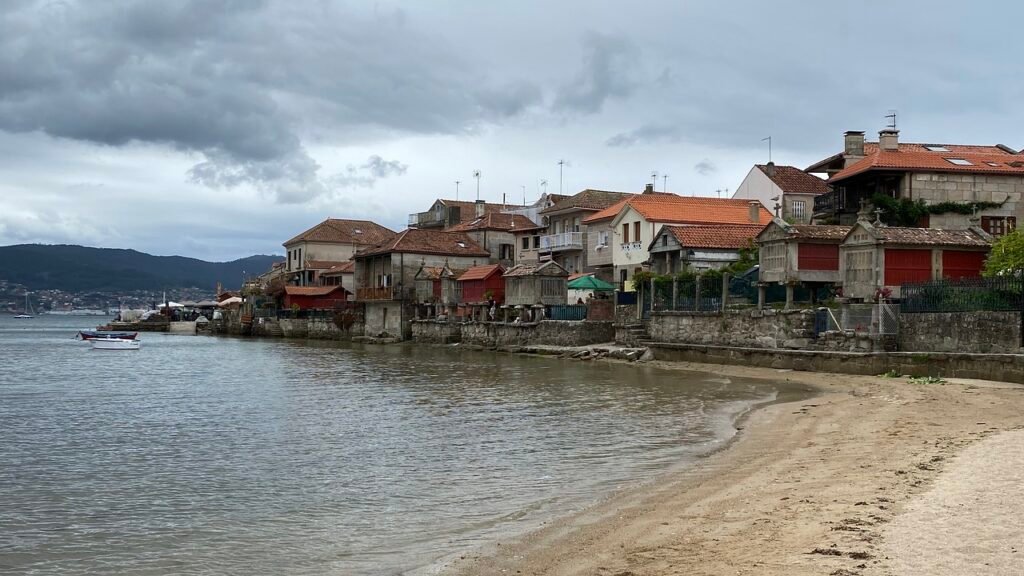
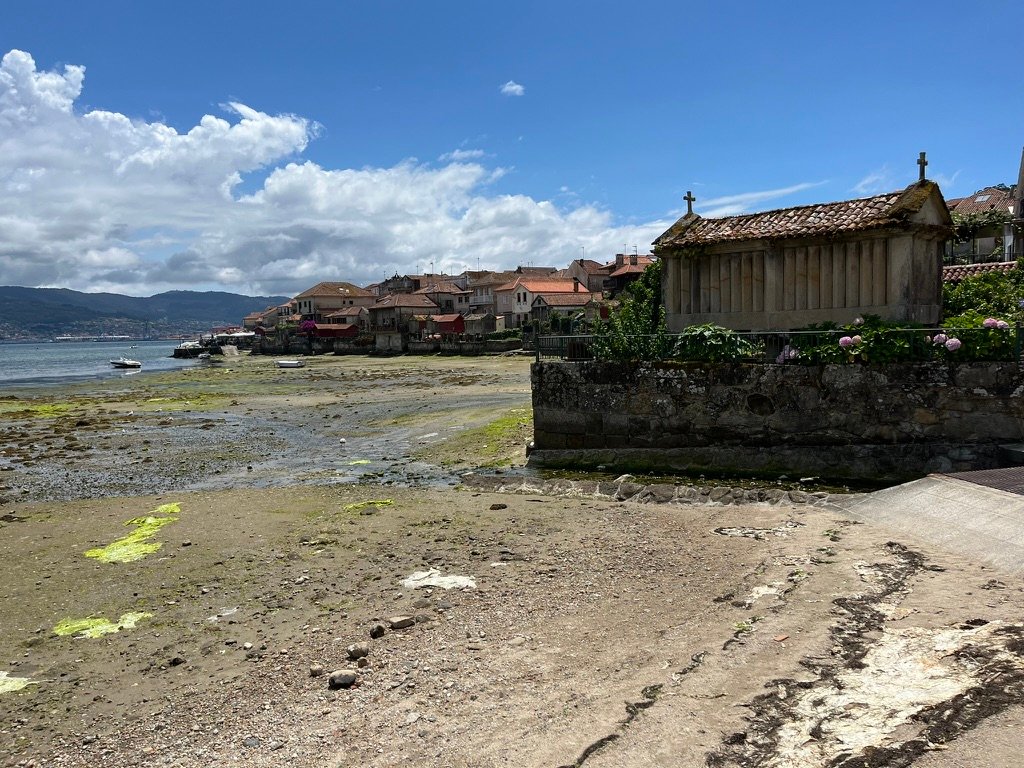
Combarro is Galicia’s most visually concentrated village, where narrow granite lanes, sea-facing terraces, and traditional hórreos sit directly above the tidal edge of the ría. Few places in the region place everyday architecture so close to the water.
At low tide, the village reveals itself fully: granite reflected in water, fishing boats resting on mudflats, and raised granaries aligned almost ceremonially along the shore. Unlike places that feel staged, Combarro remains lived-in—quiet early, crowded briefly, and calm again by evening. Its beauty comes from proximity: to the water, to daily life, to tradition still in use.
Best for: Golden-hour photography, short walks, seafood by the water.
Ponte Maceira (A Coruña)
Why it’s here: Medieval bridge + river setting
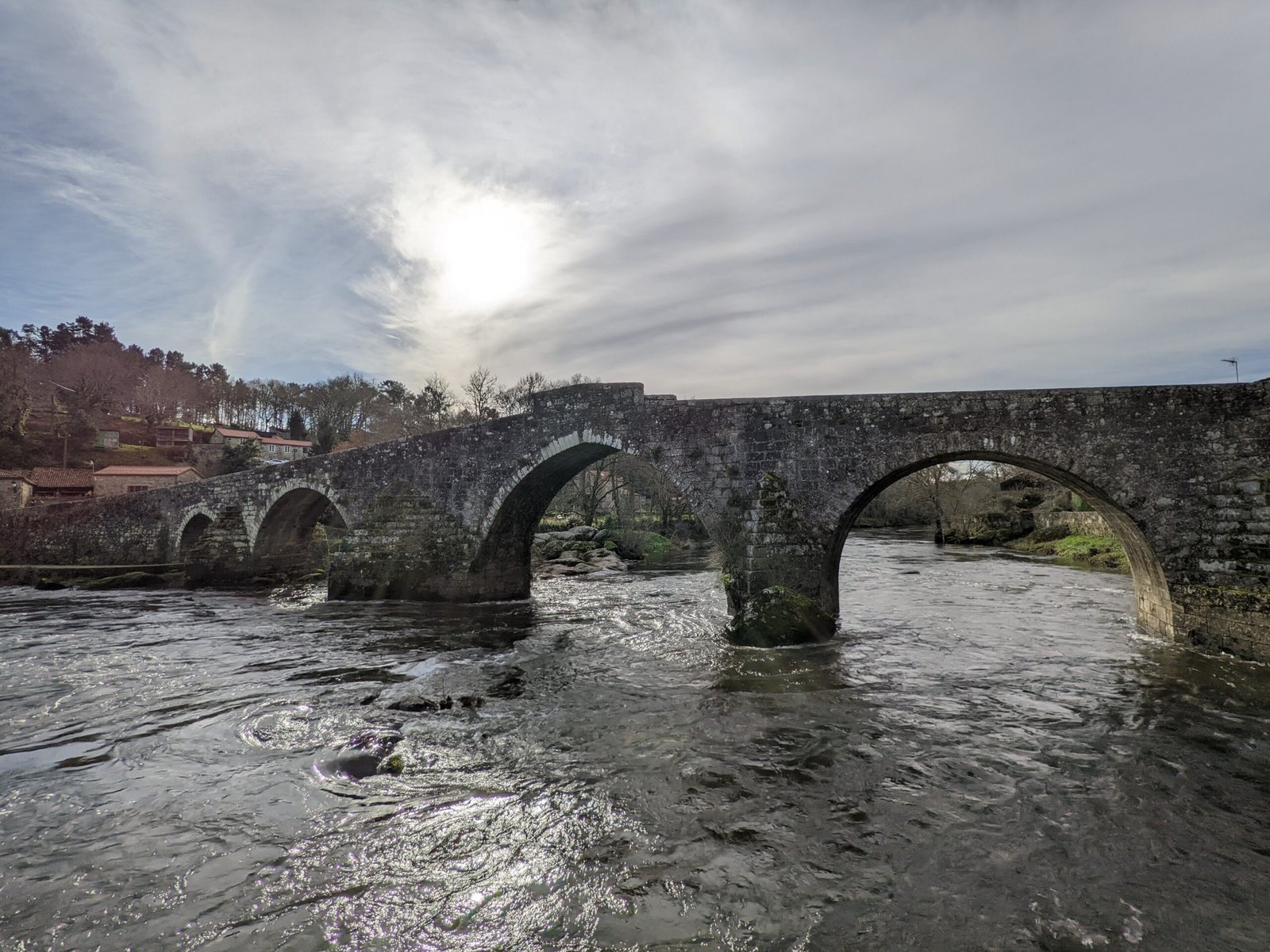
Ponte Maceira is defined by its bridge. A wide medieval span crosses the Tambre River and anchors a small cluster of stone houses that feel suspended between forest and water. The village itself is compact, but the setting gives it gravity.
Ponte Maceira is defined by its bridge. A wide medieval span crosses the Tambre River and anchors a small cluster of stone houses that feel suspended between forest and water. The village itself is compact, but the setting gives it gravity.
Best for: Camino stops, riverside walks, soft morning light.
Muros (A Coruña)
Why it’s here: Historic waterfront + arcaded streets
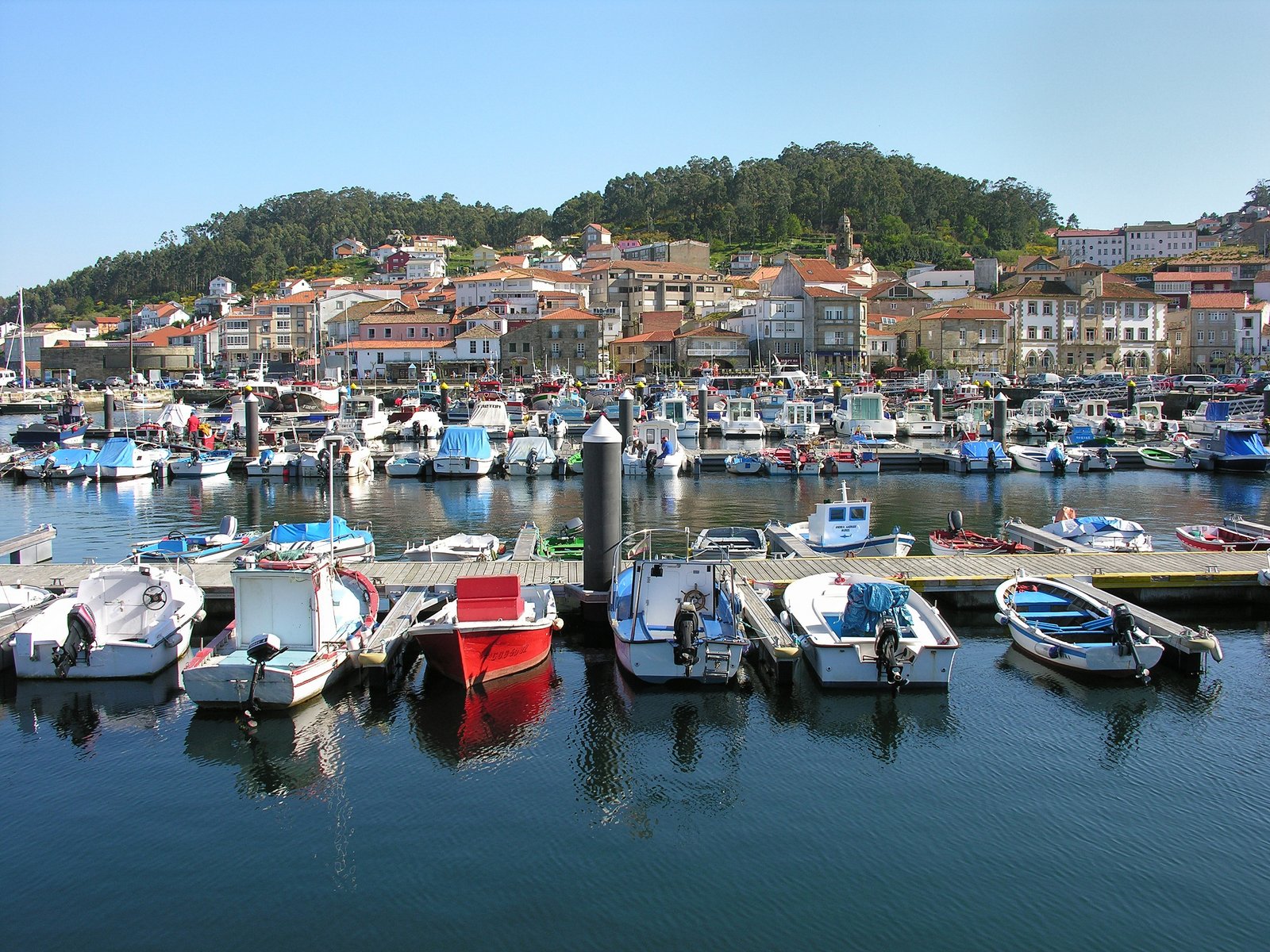
Muros faces the Atlantic directly, its old town pressed between water and hillside. Stone arcades line the harbor, built for commerce and still shaping daily life. Fishing boats, tide lines, and weather define the town’s mood.
Unlike polished resort towns, Muros feels functional and intact. The beauty here comes from continuity: working port activity, narrow lanes, and a town that hasn’t separated its history from its present.
Best for: Seafood lunches, coastal sunsets, lived-in port towns.
Ribadeo (Lugo Coast)
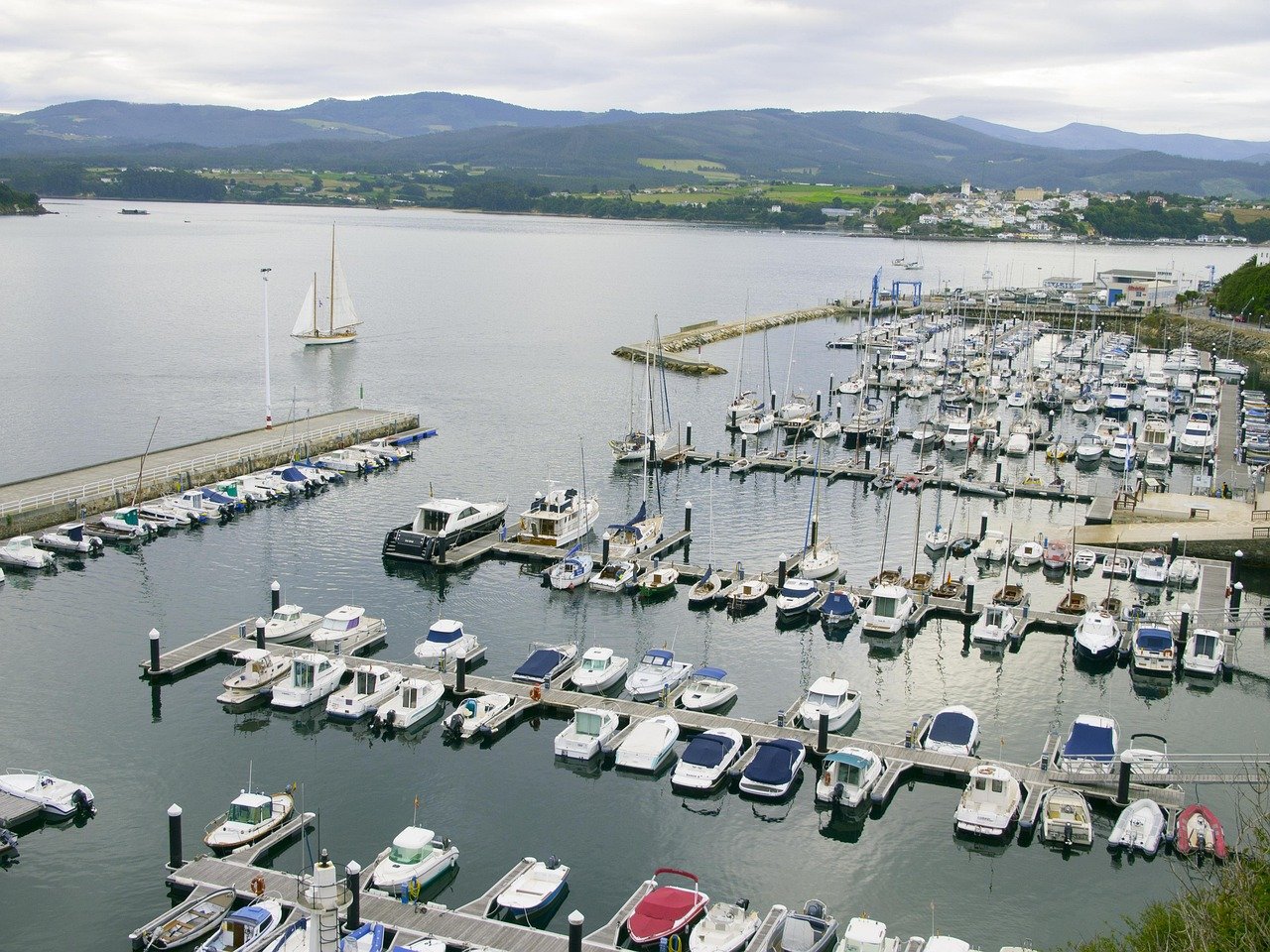
Why it’s here: Elegant coastal town at Galicia’s northern edge
Ribadeo sits at the threshold between Galicia and Asturias, and that edge position shapes its character. The town feels more open and formal than smaller fishing villages, with wide streets, stately buildings, and constant movement between land and sea.
Its proximity to Praia das Catedrais adds drama, but Ribadeo itself remains grounded—urban in feel, coastal in rhythm. It’s a place that works equally well as a base or a pause, balancing scenery with everyday life.
Best for: Northern coast routes, mixed town-and-sea days.
Allariz (Ourense)
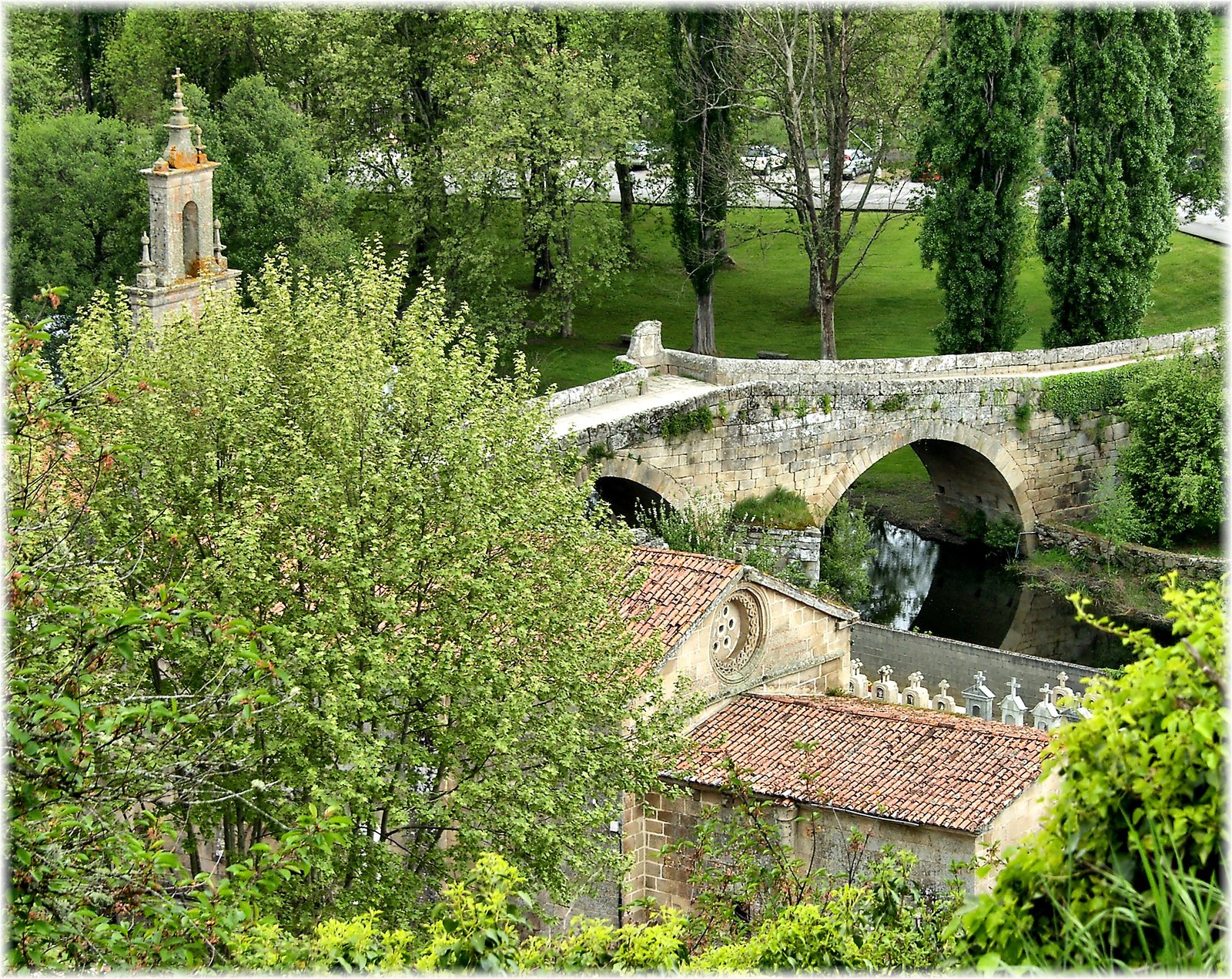
Why it’s here: River-centered design + restored medieval core
Allariz follows the curve of the Arnoia River, with stone paths, footbridges, and gardens shaping how the village unfolds. The historic center has been carefully restored, but without turning theatrical.
Water is a constant presence, visually and acoustically. Cafés, small shops, and shaded benches create a place meant for lingering rather than ticking sights off a list. Allariz’s appeal lies in cohesion—nothing dominates, everything fits.
Best for: Slow travel, riverside walks, calm afternoons.
Ribadavia (Ribeiro Wine Country)
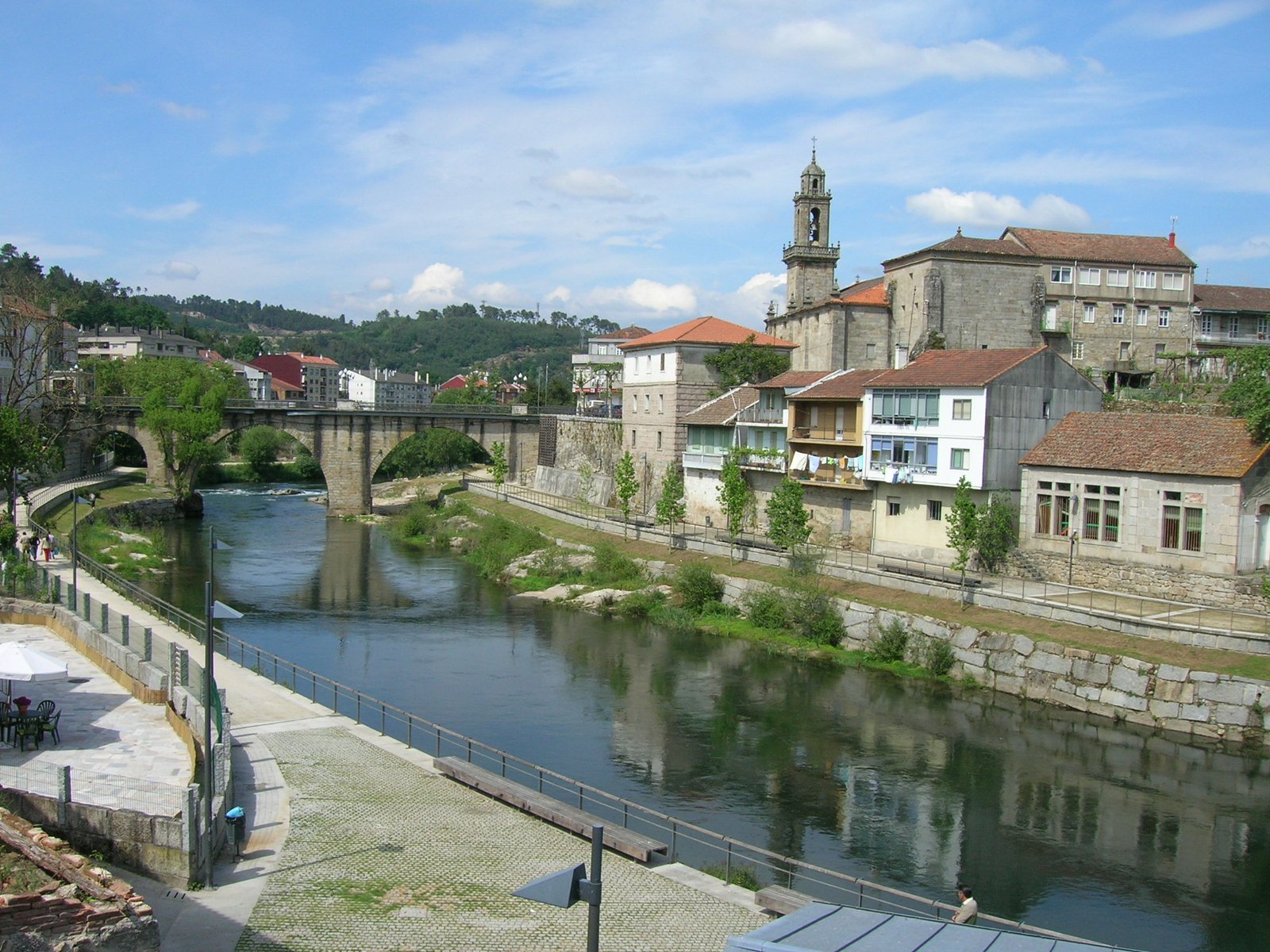
Why it’s here: Medieval streets + wine heritage
Ribadavia sits at the heart of Ribeiro, surrounded by vineyards and shaped by centuries of trade and settlement. Its historic center, once home to one of Galicia’s most important Jewish communities, remains dense and textured.
Stone arches, narrow lanes, and small plazas create a town that rewards wandering without a plan. Wine culture is present but understated, woven into daily life rather than packaged for visitors.
Best for: Wine regions, historic architecture, measured exploration.
Cambados (Pontevedra)
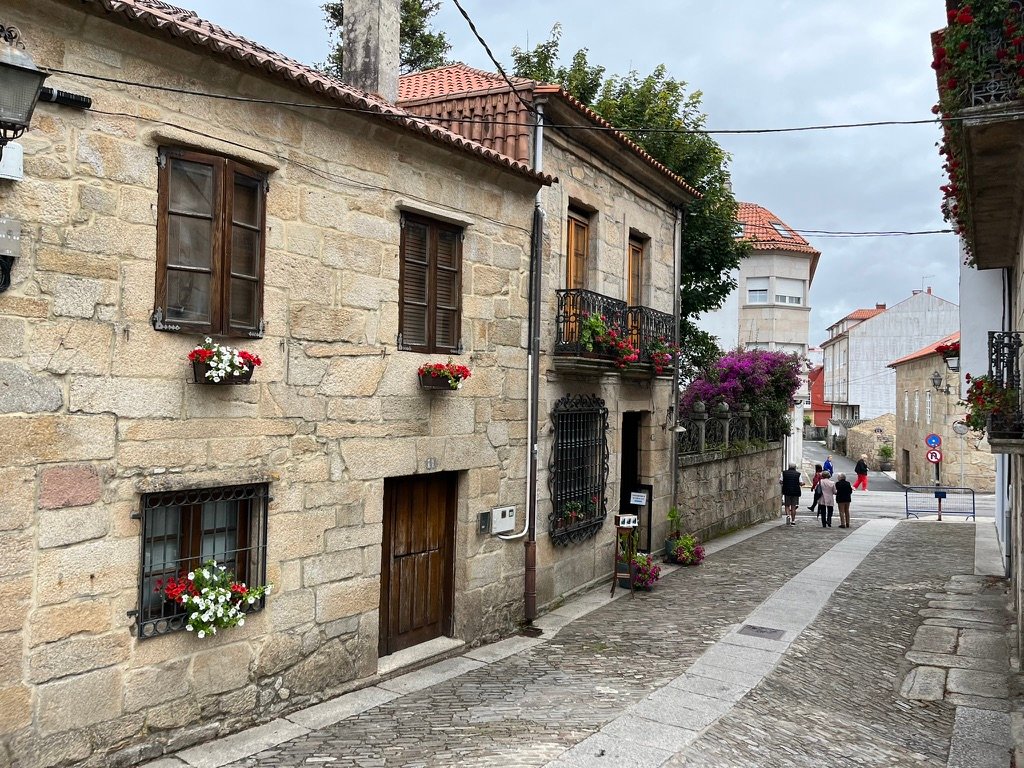
Why it’s here: Albariño capital with architectural calm
Cambados feels luminous rather than dramatic. Granite manors, open squares, and seaside air give the town a sense of ease. It’s closely associated with Albariño, but wine never overwhelms the place itself.
Unlike tightly packed medieval villages, Cambados breathes. Ruins, gardens, and waterfront paths create space for movement and light. The town’s confidence comes from balance, not display.
Best for: Wine-focused travel, relaxed coastal strolling.
Tui (Pontevedra)
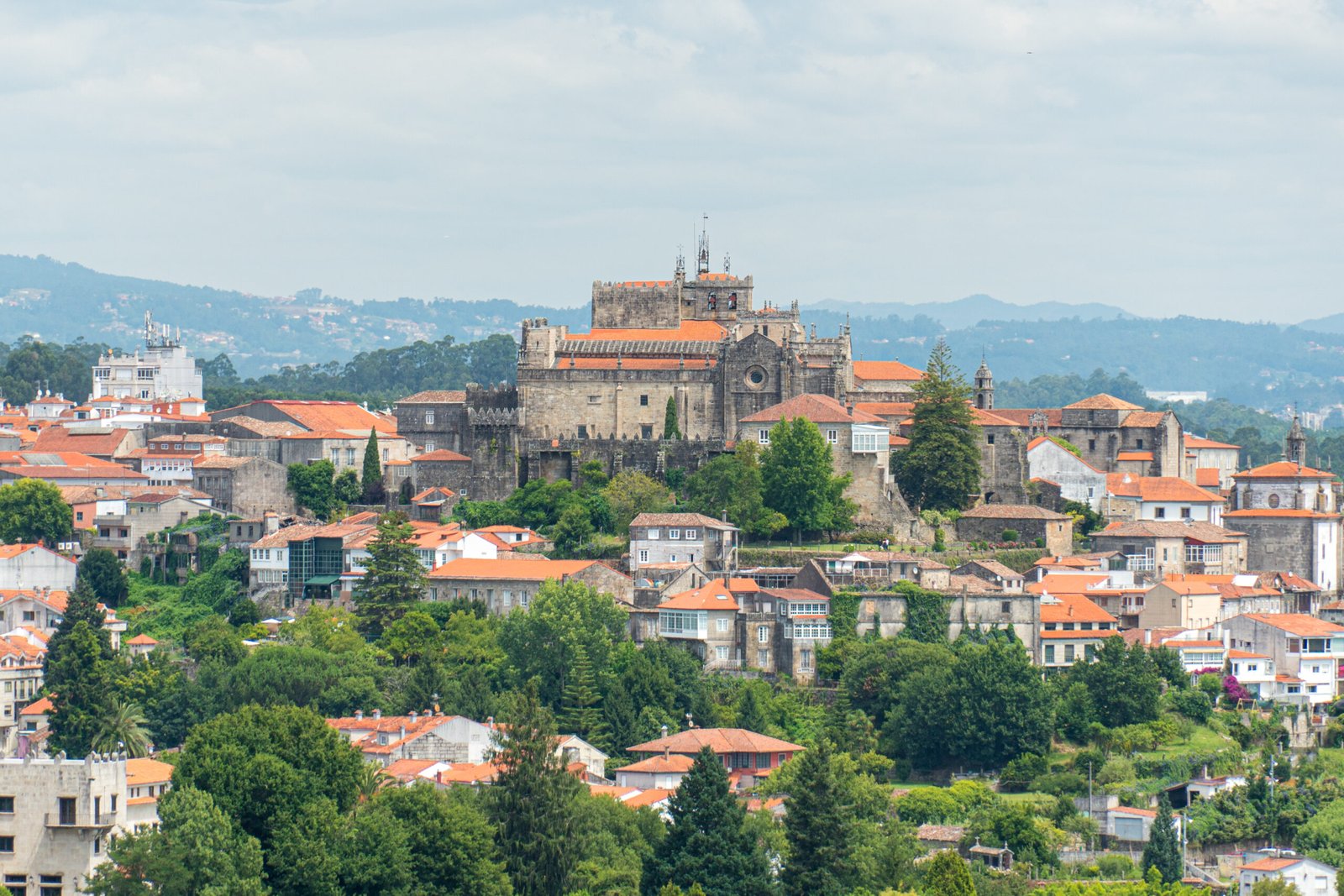
Why it’s here: Border town with fortress presence
Tui rises above the Miño River, directly facing Portugal. Its fortified cathedral dominates the skyline, while the old town below feels enclosed and deliberate, shaped by centuries of strategic importance.
Border towns carry a particular tension—layered identity, defensive architecture, and cultural overlap. Tui’s beauty is austere and architectural, grounded more in stone and history than softness.
Best for: Camino Portugués context, historic depth, stone towns.
Mondoñedo (Lugo)
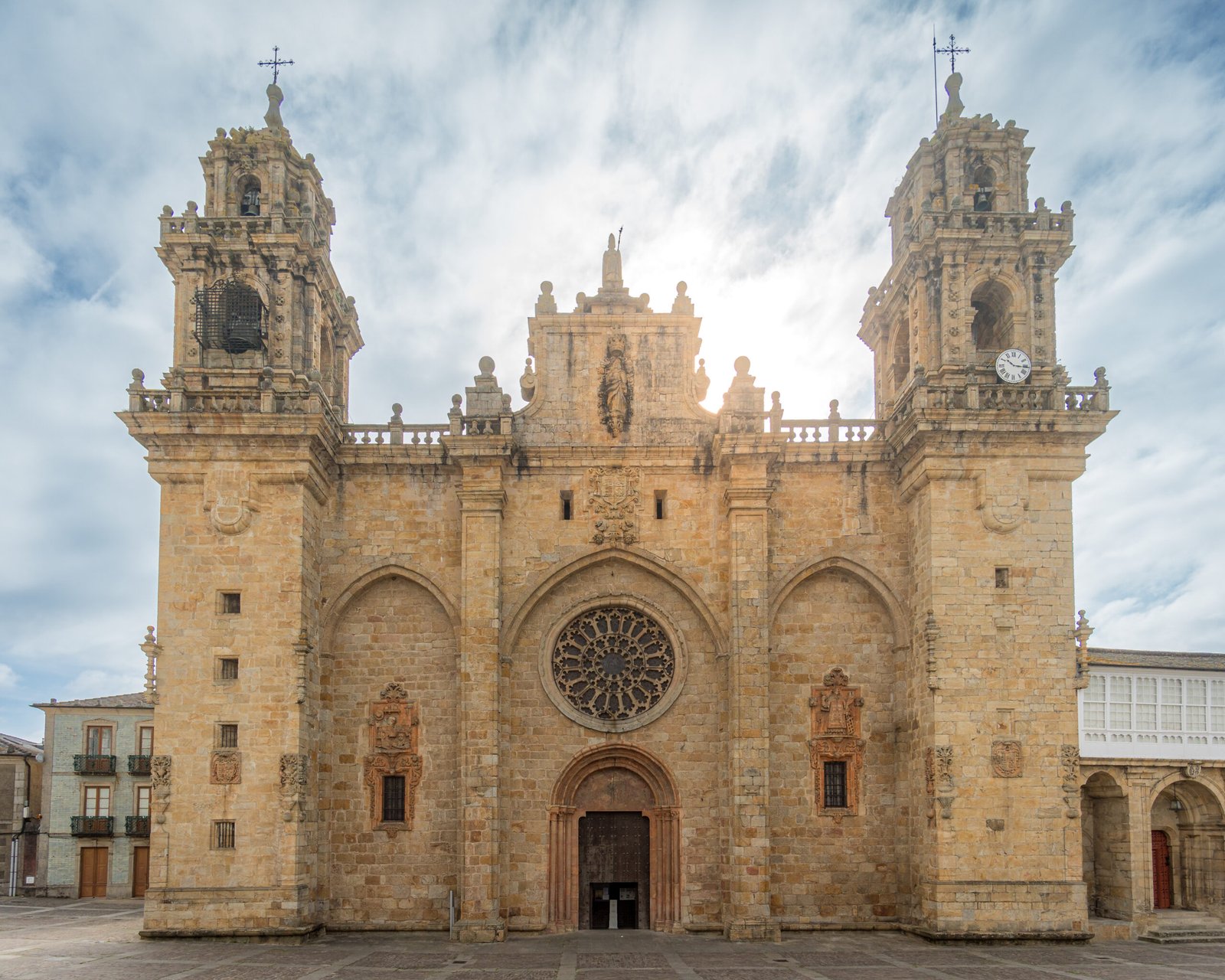
Why it’s here: Cathedral town off the main circuit
Mondoñedo sits in a green valley, its scale defined by ecclesiastical importance rather than population size. The cathedral anchors a compact center that feels cohesive and inward-looking.
The pace is slow, the streets modest, and the atmosphere reflective. Mondoñedo doesn’t compete for attention; it rewards those who value proportion, quiet plazas, and overlooked places.
Best for: Inland routes, architecture, quiet stops.
O Cebreiro (Lugo Mountains)
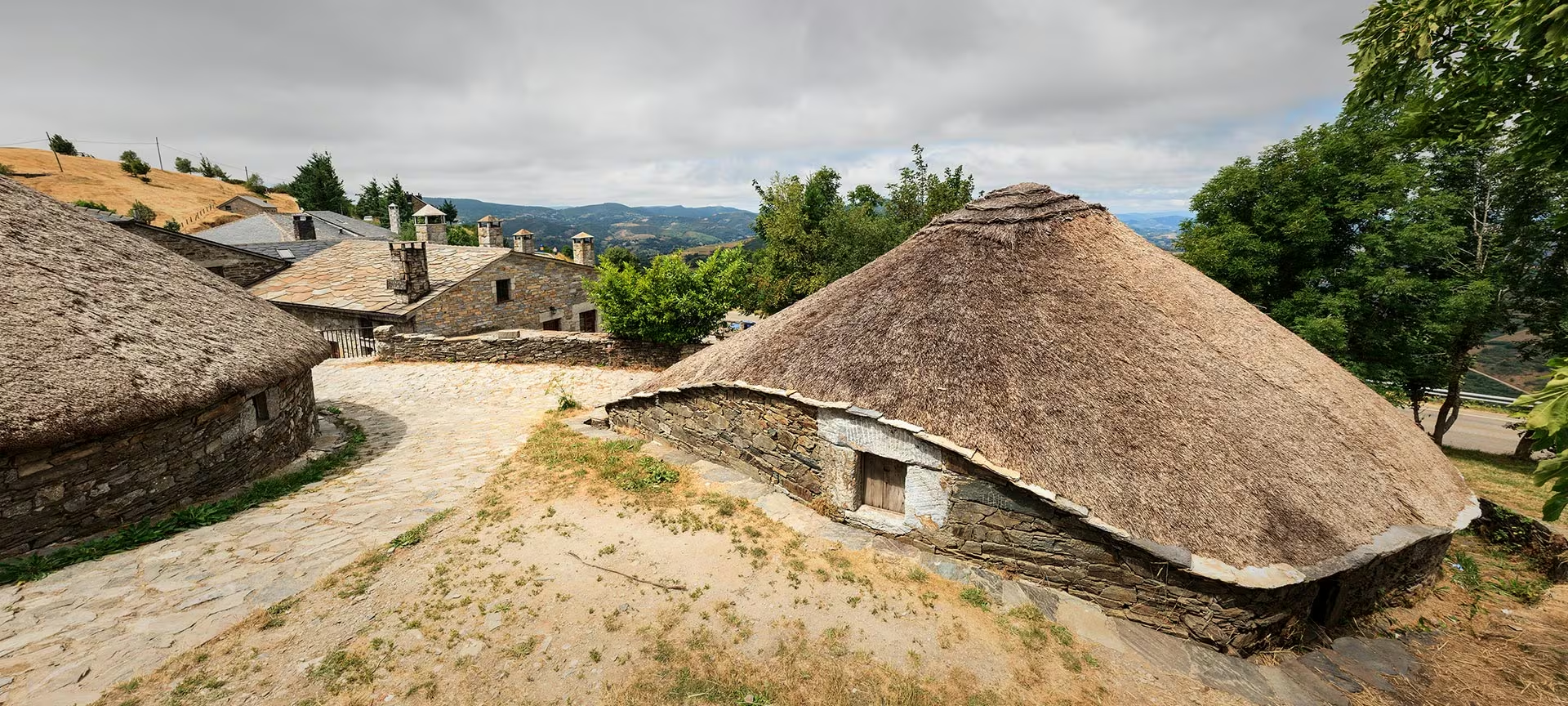
Why it’s here: Highland village with iconic pallozas
O Cebreiro stands high in the eastern mountains, often wrapped in mist. Its thatched pallozas and stone structures give it a silhouette unlike anywhere else in Galicia.
Weather shapes everything here—light shifts quickly, clouds move fast, and silence feels amplified. As a Camino Francés landmark, O Cebreiro is dramatic without ornament, its beauty inseparable from altitude and exposure.
Best for: Camino stops, riverside walks, soft morning light.
A Guarda (Pontevedra)
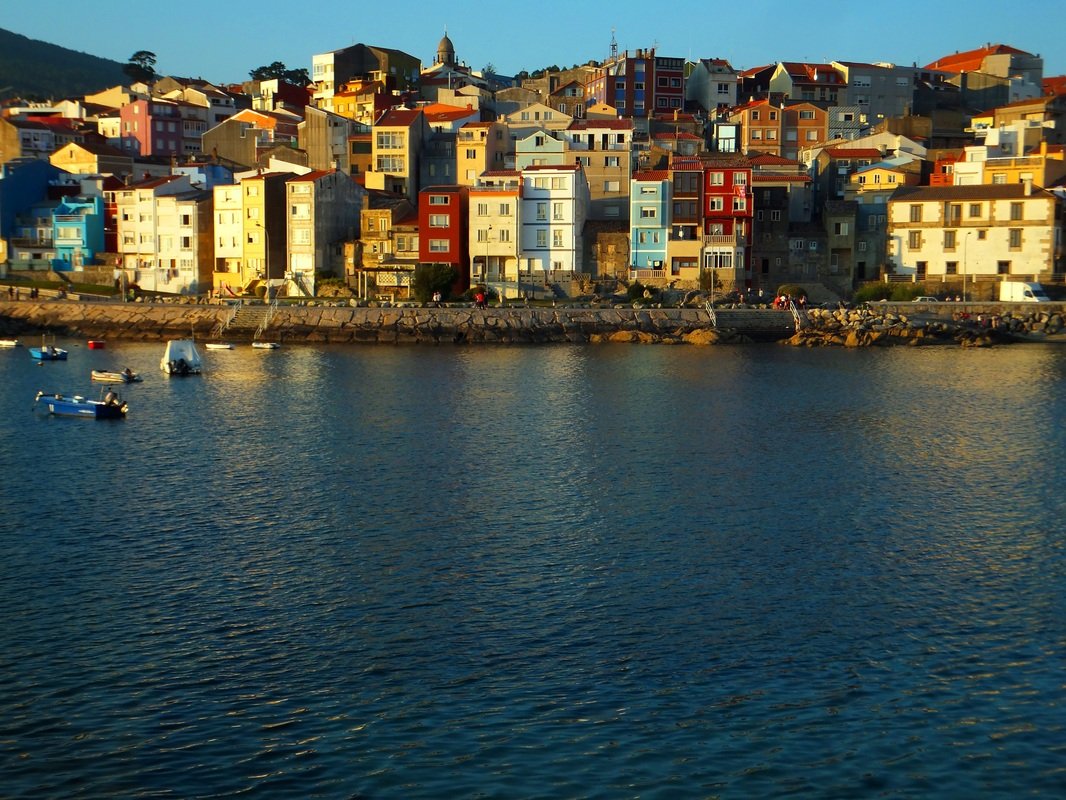
Why it’s here: Working port with Atlantic edge
A Guarda combines fishing-town texture with open Atlantic exposure. The harbor, daily routines, and modest scale give it authenticity, while the nearby Castro de Santa Trega adds historical depth and elevated views.
This is a place where landscape and labor meet directly. The coast feels present rather than curated, and the town remains firmly rooted in everyday rhythms.
Best for: Seaside meals, sunset views, coastal history.
Redes (A Coruña)
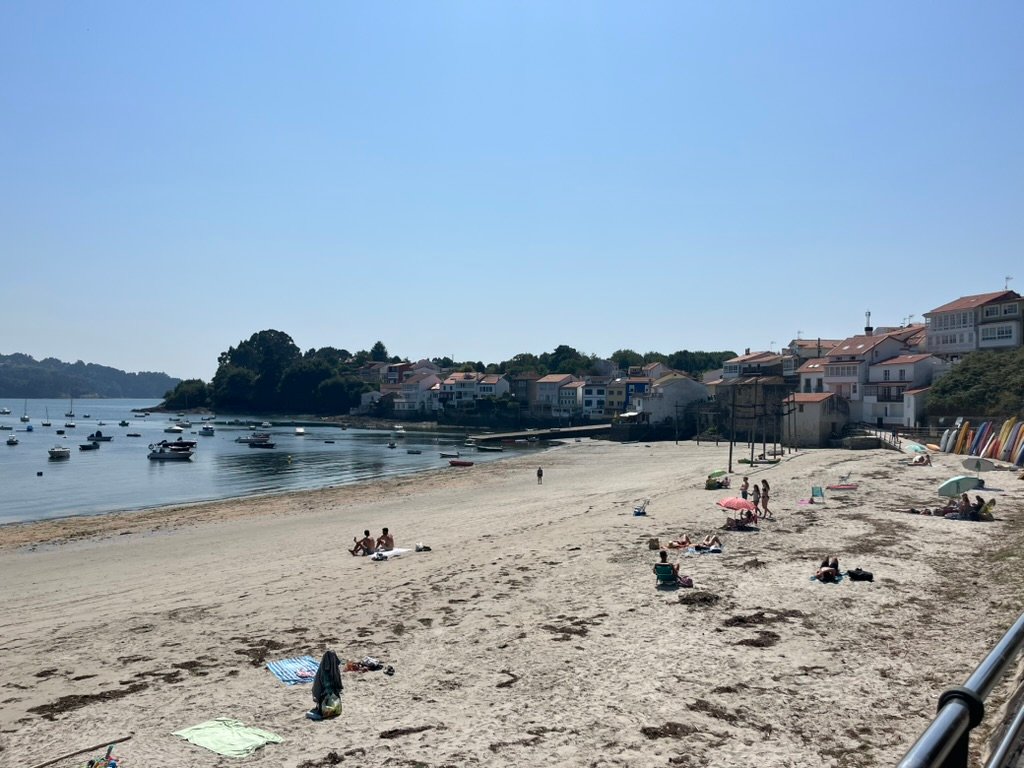
Why it’s here: Intimate coastal hamlet
Redes is smaller and quieter than most villages on this list, and that restraint is its appeal. Pastel façades, a compact harbor, and gentle streets create an atmosphere of calm intimacy.
There are no major sights to chase. Instead, the village invites stillness—watching boats, light on water, and the slow passage of time.
Best for: Quiet half-days, photography, peaceful detours.
Practical Advice for Photographers & Planners
- Early light is best (especially coastal): sunrise reveals textures before crowds.
- Shoulder seasons work better (May–June, September–October):
Crowds ease, light softens. - Pay attention to tide tables on coastal villages:
Water level changes what you see in harbors and reflections. - Village centers are small: walking shoes > driving in the core.
How to Use This List
These villages aren’t meant to be collected in a single trip. Galicia reveals itself slowly, and the places above reward time more than efficiency.
Some are best as half-day detours, others as overnight bases, and a few as brief pauses that linger longer than expected. Rather than planning rigid routes, let geography, weather, and appetite shape the experience. Galicia works best when you move with it — not through it.
Villages Mapped Out
What To See in Santiago de Compostela

The 7 Cities of Galicia Explained

Best Beaches in Galicia

The Cíes Islands: Visiting Galicia’s Most Beautiful National Park

Ultimate Guide to Ribeira Sacra
