
Sleep on the Camino: What You Actually Need (and What You Don’t)
Sleep on the Camino is rarely luxurious.
But it also doesn’t have to be miserable.
Most pilgrims don’t sleep poorly because they brought the wrong gear. They sleep poorly because they arrive with the wrong expectations. The Camino isn’t camping, and it isn’t a series of comfortable hotels either.
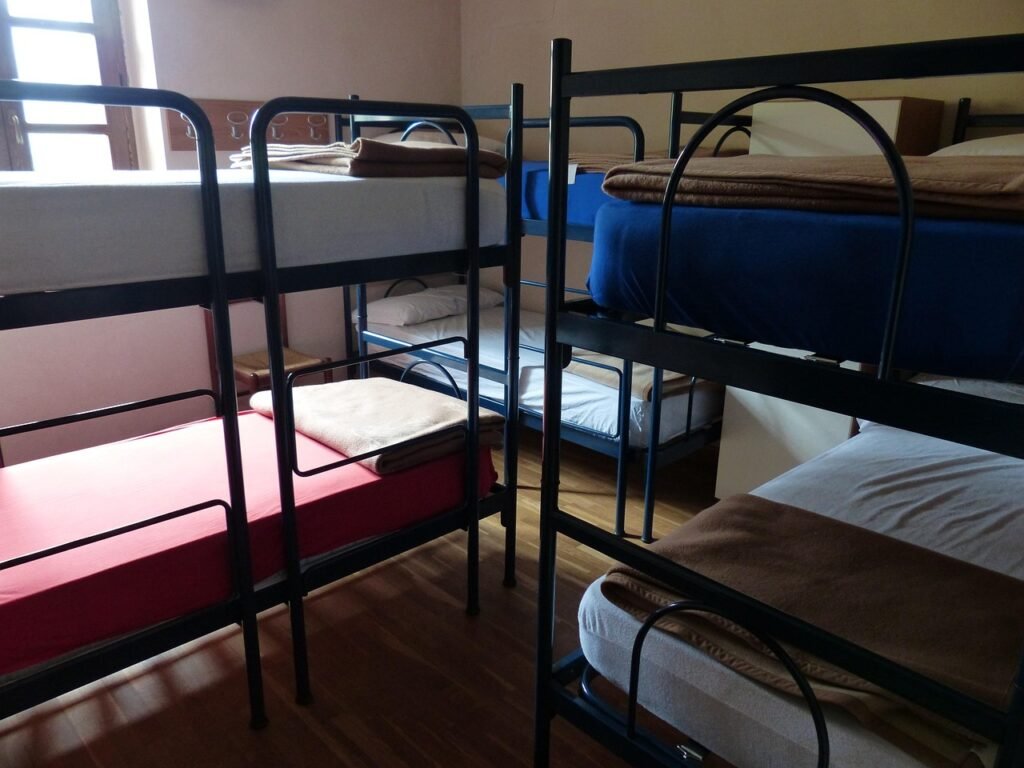
Instead, you move night to night through a mix of shared albergues, small guesthouses, private rooms, and old buildings that were never designed with modern sleep habits in mind. Some nights are quiet and warm. Others are noisy, drafty, or unpredictable.
A good Camino sleep setup isn’t about having the “best” sleeping bag or carrying more gear. It’s about understanding the environment you’re sleeping in — and choosing a few simple things that help you adapt to it.
The Reality of Camino Sleeping
On most Camino routes, especially in Spain and Galicia, nights are spent in:
- albergues (shared pilgrim hostels)
- small pensions or guesthouses
- occasional private rooms
Beds are usually provided. So are mattresses, pillows, and sometimes blankets. What varies wildly is cleanliness, temperature, noise, and personal tolerance.
That’s why the Camino sleep system is less about insulation and more about control.
The Core Principle: Bring What You Can’t Control
You can’t control:
- who snores
- who wakes at 5 a.m.
- how warm the room is
- how fresh the bedding feels
So your sleep setup should give you control over:
- hygiene
- warmth range
- light and sound
Anything beyond that is usually unnecessary weight.
Sleeping Bags vs Sleep Liners (The Key Decision)
This is the biggest question pilgrims ask — and the answer is simpler than it sounds.
For most Caminos, a sleep liner is enough.
Liners provide:
- a clean barrier between you and shared bedding
- light warmth when rooms are cool
- minimal weight and bulk
Full sleeping bags make sense only if:
- you’re walking early spring or late autumn
- you sleep very cold
- you plan to stay in basic or unheated accommodation
For summer and shoulder seasons, a lightweight liner paired with clothing layers usually offers the best balance.
Warmth Comes From Layers, Not the Bag
A common mistake is trying to solve temperature with a heavier bag.
On the Camino, warmth is modular:
- sleep liner or light bag
- your insulated jacket
- clean socks
- sometimes a hat
This approach lets you adapt night to night without committing to one heavy item you carry every day.
If you’re warm enough walking, you’re usually warm enough sleeping — with one extra layer.
Noise, Light, and the Shared Room Reality
Sleep disruption on the Camino is far more often caused by people, not temperature.
Earplugs are not optional.
Neither is an eye mask, if you’re sensitive to light.
Early risers, headlamps, alarms, plastic bags, and wooden floors are all part of the Camino ecosystem. Good sleep comes from acceptance plus mitigation, not expecting silence.
A small sleep kit weighs almost nothing and pays off every night.
Hygiene and Comfort
A liner isn’t just about warmth. It’s about comfort and peace of mind.
Even in clean albergues, bedding cycles quickly. Having your own barrier lets you relax and sleep without thinking about what came before you.
Many experienced pilgrims will skip extra clothing before they skip their liner.
When You Don’t Need Anything at All
If you:
- walk only short routes
- stay mostly in private rooms
- walk in high summer
You can often sleep comfortably with nothing more than:
- lightweight sleep clothes
- earplugs
But this assumes flexibility and tolerance. Most people prefer having some buffer.
A Simple, Proven Camino Sleep System
For most pilgrims, this works:
- lightweight sleep liner
- earplugs
- eye mask
- warm socks
- insulated layer used both day and night
It’s not glamorous. It’s reliable.
The Role of Simplicity
The Camino rewards systems that do more than one job.
Your jacket keeps you warm walking and sleeping.
Your socks protect your feet and help you rest.
Your liner solves hygiene and light warmth.
Anything that only works at night should justify its weight carefully.
Where to Go Next
If you want specific recommendations — sleep liners, lightweight bags, earplugs, and small comfort items — check out our Camino Sleep Shop.
Related Reading

What is the Camino de Santiago?

Which Camino Route is for You?

Essential Camino Packing Guide: What you Really Need

Best Backpack for the Camino (2026 Guide)

How Much Does It Cost to Walk the Camino? Budget vs. Comfort Travelers

Top Travel Insurance for the Camino
