The Wines of Ribeiro: Galicia’s Ancient Wine Region Explained
Ribeiro occupies a singular position in Galician wine. It is the region with the longest documented history, yet it remains one of the least clearly understood—particularly by international readers.
Unlike regions shaped around a single grape or a tightly defined style, Ribeiro has always been about balance. Its wines emerged from geography, necessity, and long-standing blending traditions rather than varietal branding. To understand Ribeiro is to step away from modern wine shorthand and look at how place and practice shaped wine here long before identity was something to be marketed.
Where Ribeiro Is — and Why It Developed Early
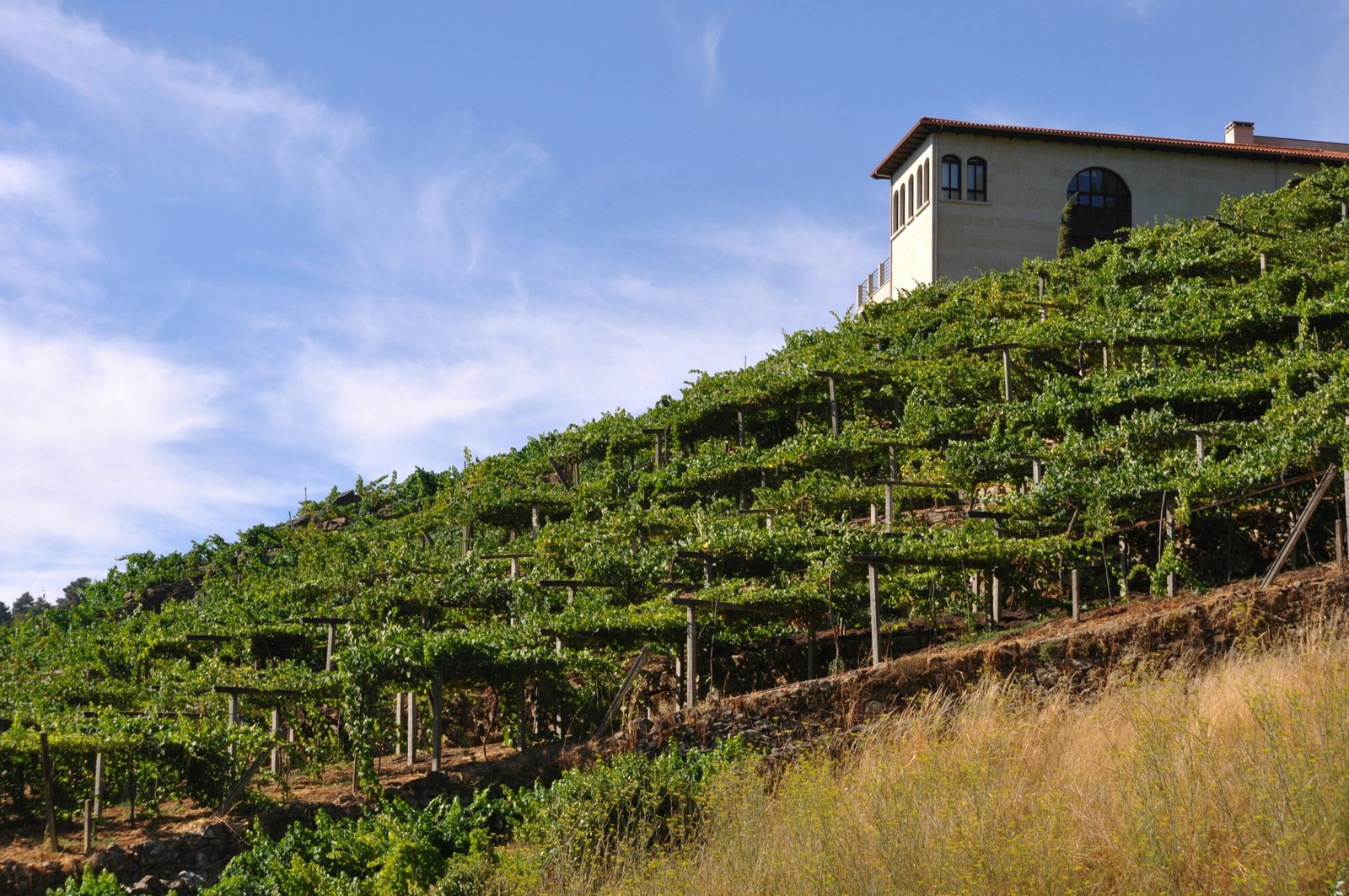
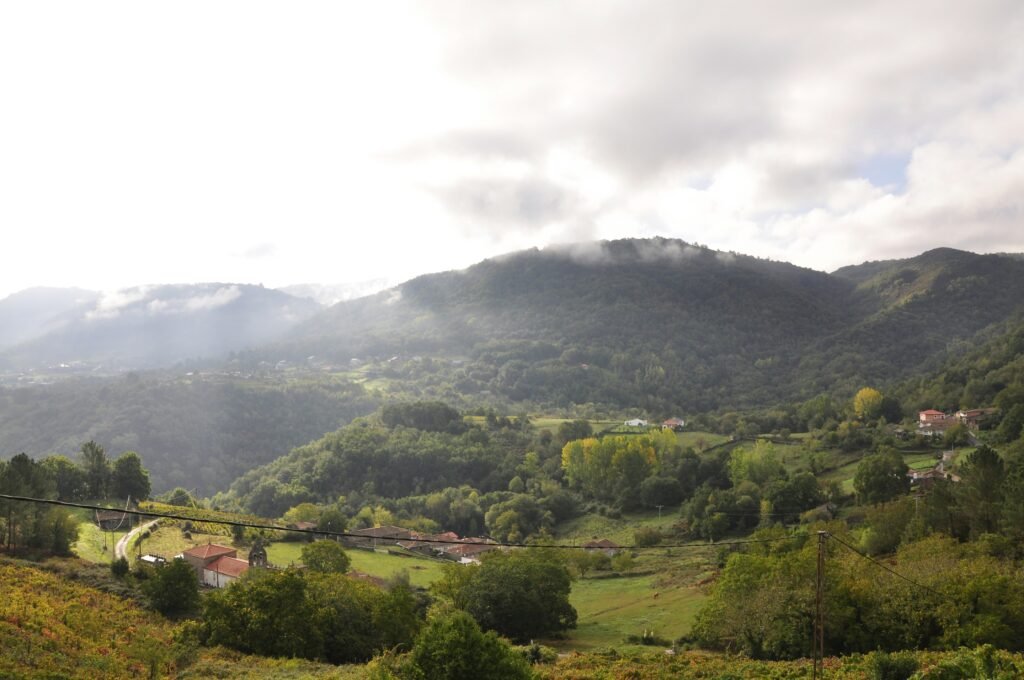
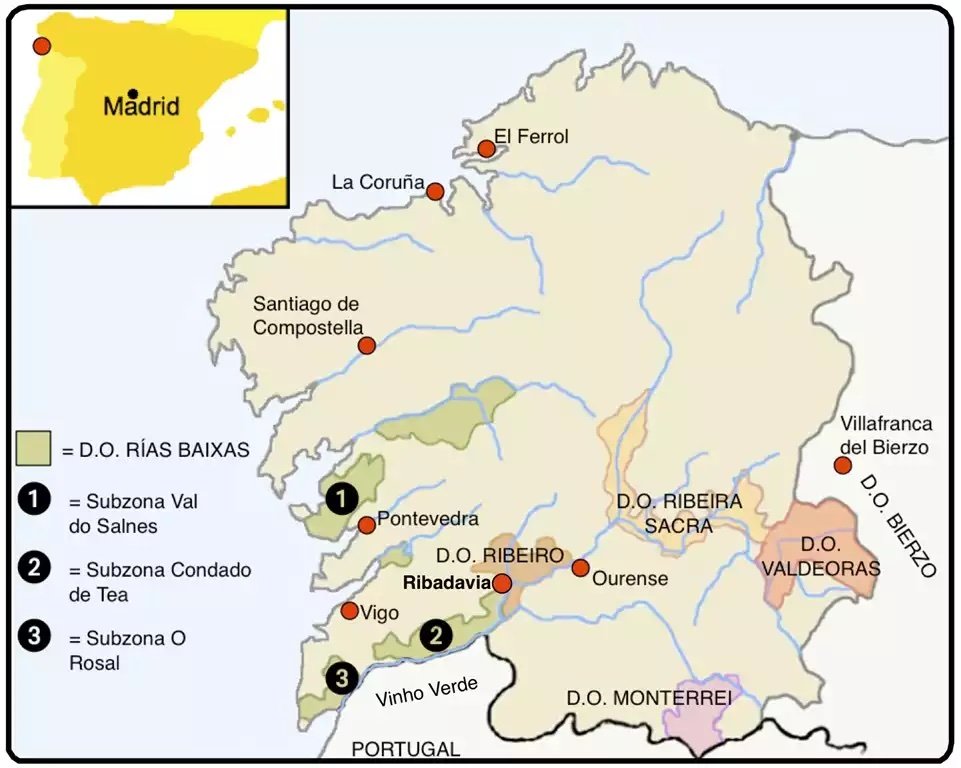
Ribeiro lies inland from Galicia’s Atlantic coast, centered around the confluence of the Miño, Avia, and Arnoia rivers. This setting explains much of the region’s early success with viticulture.
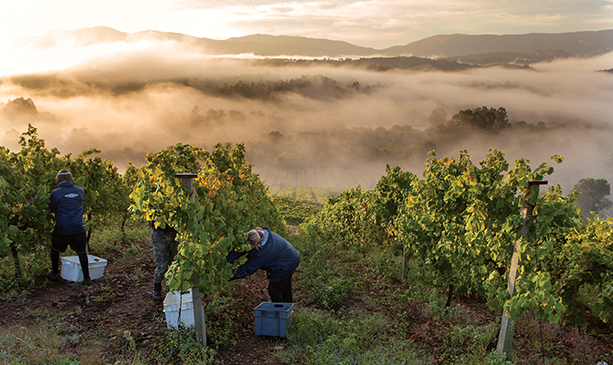
The rivers moderate temperature and reduce frost risk, while sloped vineyards improve drainage and air circulation. At the same time, Ribeiro’s inland position limits the persistent Atlantic humidity that complicates grape growing in much of coastal Galicia. Taken together, these conditions made consistent wine production possible here centuries before it was viable in many neighboring areas.
By the Middle Ages, Ribeiro wines were already being traded beyond the region, moving through Atlantic ports and into broader European markets. Its early prominence was not the result of style or reputation, but of reliability. Ribeiro produced wine when others could not.
A Region Defined by Blends, Not a Single Grape
Ribeiro has never operated as a single-varietal region in the modern sense. Its identity has always rested on blending as a structural choice rather than a fallback.
Treixadura typically forms the backbone of Ribeiro’s white wines. It provides steady acidity, orchard-fruit character, and a sense of weight through the mid-palate. On its own, Treixadura can feel restrained, even neutral. Its value lies in structure rather than aroma, which is precisely why it functions so well as a foundation.
To this base, producers traditionally add other native varieties to fine-tune balance. Godello contributes freshness and precision, Loureira brings aromatic lift, and the local Galician Torrontés—unrelated to the Argentine variety of the same name—adds subtle fragrance rather than overt perfume.
The goal has never been complexity for its own sake. Ribeiro wines are built for equilibrium and for the table, designed to open gradually rather than perform on first sip. Blending here is not a compromise; it is the region’s organizing principle.
What Ribeiro Wine Tastes Like (When It’s Done Well)
At their best, Ribeiro wines are medium-bodied, dry, and quietly expressive. They tend to emphasize texture over aroma and balance over intensity.
The fruit profile usually leans toward apple and pear rather than citrus, accompanied by soft floral notes, gentle herbal tones, and restrained mineral impressions. Alcohol levels are typically moderate, and oak—when used at all—is handled with care and rarely announces itself.
These are not wines designed to impress immediately. They reward attention, particularly at the table, where their restraint and structure make sense.
Ribeiro’s Decline — and Why It Happened
Ribeiro’s reputation suffered during the twentieth century for reasons that will feel familiar across much of rural Europe. Emigration led to vineyard abandonment, cooperative systems prioritized volume over quality, and market pressures pushed production toward inexpensive, dilute wines.
By the late twentieth century, Ribeiro had become associated with wines that were simple to the point of anonymity. That reputation, once established, proved difficult to shake.
What is often overlooked is that the region’s viticultural foundation never disappeared. Old vines remained in place. Native varieties were not replaced. Blending traditions persisted, even during Ribeiro’s weakest period.
The Modern Revival of Ribeiro
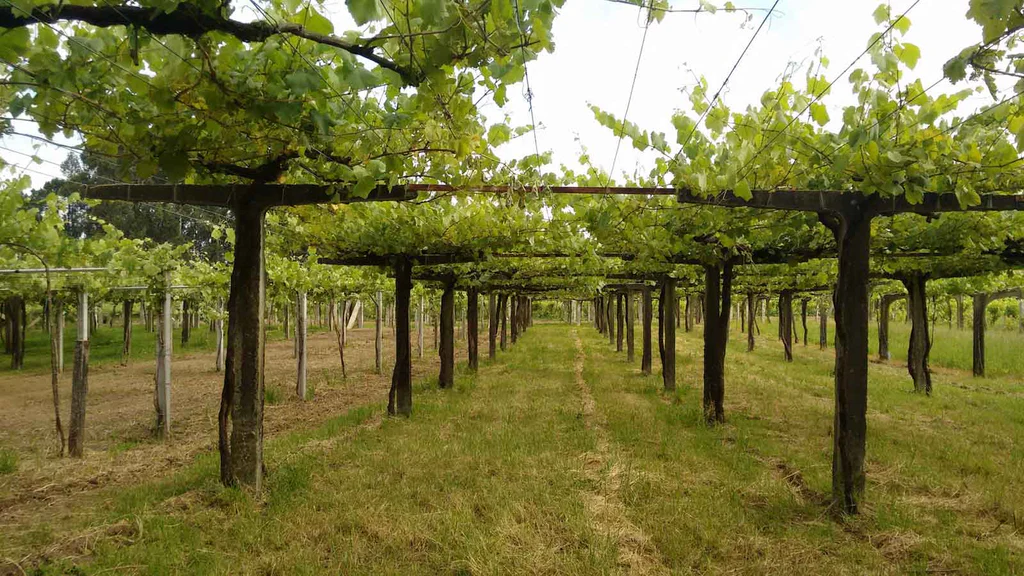
Over the past two decades, Ribeiro has undergone a quiet but meaningful renewal. Lower yields, improved vineyard management, and a renewed focus on traditional blends have reshaped the region’s best wines.
Rather than chasing international styles or high-impact winemaking, leading producers have leaned into Ribeiro’s strengths: drinkability, balance, and compatibility with food. Attention has shifted back to site expression and to wines that feel composed rather than forced.
The strongest examples today are calmer, clearer, and more confident than those of the past, without pretending to be something else.
A Few Ribeiro Wines Worth Starting With
If you’ve never tasted Ribeiro, the easiest way to understand it is simply to drink a few well-made examples. Not to compare them, and not to look for winners — just to see how the region expresses itself in the glass.
The wines below are useful starting points. They’re not included because they’re fashionable or hard to find, but because they reflect the way Ribeiro has traditionally been made: native varieties, blended thoughtfully, and designed to work with food.
Viña Costeira Ribeiro Blanco
Viña Costeira has been part of Ribeiro’s modern history for decades, and its classic white bottlings remain one of the clearest introductions to the region. Typically led by Treixadura, these wines emphasize balance over aroma, with a quiet, steady structure that makes sense at the table rather than on first sip.
Winery: Viña Costeira (Ribeiro DO)
Link: Official winery site or major wine retailer
Coto de Gomariz
Coto de Gomariz is a long-established family estate that shows how Ribeiro’s traditional blends can feel precise and site-driven without losing their regional identity. Their white wines tend to be more textural than aromatic, with careful handling of native varieties rather than varietal display.
Viña Meín O Gran Meín
Produced near the historic monastery of San Clodio, Viña Meín‘s O Gran Meín is often cited as a more ambitious expression of Ribeiro white wine. It retains the region’s blended foundation but adds depth and length, showing how structure and restraint can coexist with concentration when yields are controlled.
While Ribeiro is best known for its whites, Casal de Armán is a good reminder that the region also produces reds rooted in native Galician grapes. Whether white or red, their wines tend to be clean, food-oriented, and clearly tied to place rather than technique.
How to Think About Ribeiro When Buying
Rather than looking for a specific label, look for cues that align with the region’s character: blends led by Treixadura, restrained alcohol, minimal oak, and an emphasis on balance rather than impact. Ribeiro wines rarely shout. They tend to make more sense halfway through a meal than at the tasting counter.
Availability varies by country and vintage, but these producers offer a reliable way to understand what Ribeiro is trying to say — quietly, and on its own terms.
Ribeiro in Context: How It Fits Within Galicia
Ribeiro becomes easier to understand when placed alongside its neighbors. Compared to Rías Baixas, it is less aromatic and less overtly saline. Compared to Valdeorras, it is lighter and more dependent on blending rather than single-varietal expression. Compared to Ribeira Sacra, it remains more focused on white wines than reds.
Ribeiro occupies a middle ground within Galicia—historically rooted, structurally flexible, and resistant to simple classification.
Visiting Ribeiro as a Wine Traveler
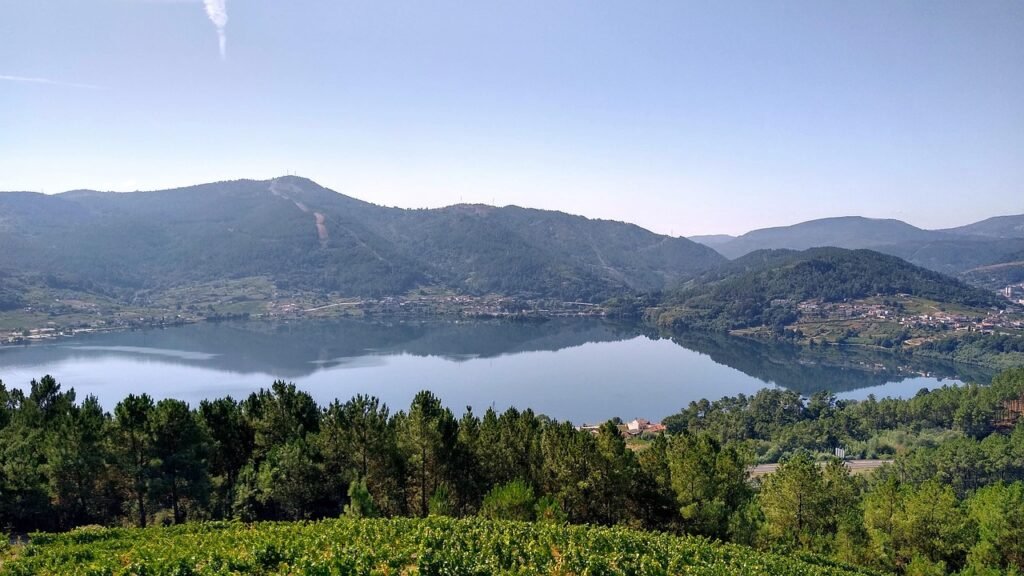
Ribeiro is not a polished wine-tourism destination, and that is part of its character. Visits tend to be informal and appointment-based, with small producers and modest tasting spaces. Wine culture here is integrated into daily life rather than staged for visitors.
The region pairs best with food-focused travel and slow exploration. It rewards curiosity more than planning, and patience more than efficiency.
Why Ribeiro Still Matters
Ribeiro matters because it preserves an older way of thinking about wine. These are blends shaped by place, purpose, and food rather than by market demand or varietal identity.
As global wine culture reassesses balance and restraint, Ribeiro feels less like a revival story and more like a reminder of how wine functioned before it became a product category.
Final Perspective
Ribeiro is not Galicia’s loudest wine region. It is its oldest—and perhaps its most instructive.
For readers willing to move beyond varietal shortcuts, Ribeiro offers insight into how Galician wine evolved, and why its future may depend on remembering what it never lost.
Related Reading
Rías Baixas: Galicia’s Atlantic Wine Region
The Wines of Galicia: An Overview of All Four Major Regions
Albariño 101: The Complete Guide to Galicia’s Most Famous Wine
Traditional Galician Drinks: From Queimada to Licor Café