Galician Seafood: Why It’s Considered the Best in Europe
Galicia is often described as Spain’s seafood capital. That description undersells the reality.
What sets Galician seafood apart is not abundance alone, but a complete ecosystem: Atlantic waters, regulated harvesting, local expertise, and a food culture that values freshness without reducing cooking to spectacle. Few European regions align these factors as consistently.
Why Galicia’s Atlantic Waters Matter
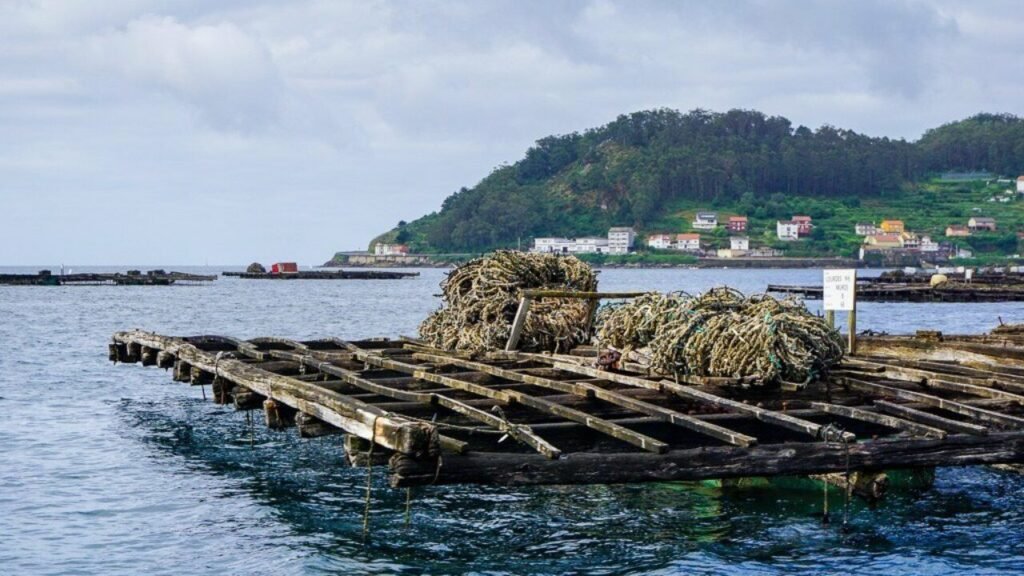
Galicia sits at the meeting point of the Atlantic Ocean and a deeply indented coastline formed by rías — flooded river valleys that create ideal marine habitats.
Key conditions include:
- Cold, oxygen-rich Atlantic currents
- Seasonal upwelling that brings nutrients to the surface
- Sheltered waters that support shellfish growth
These factors produce seafood with firm texture, clean salinity, and depth of flavor. Unlike warmer Mediterranean waters, Atlantic conditions slow growth, which contributes to density rather than dilution.
The Rías, and Why Shellfish Thrives Here
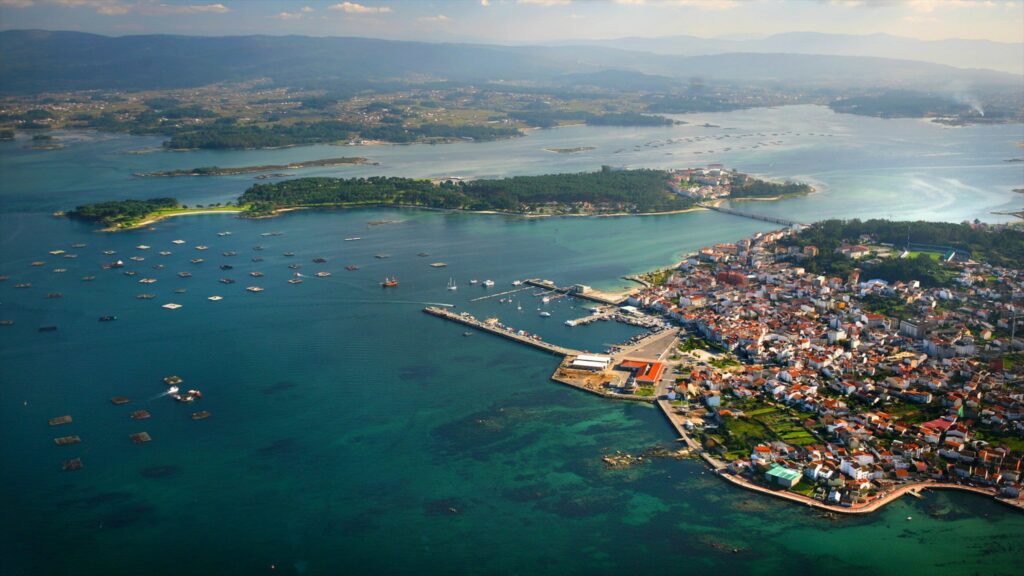
The rías are central to Galicia’s seafood culture.
They provide:
- Calm waters protected from open-ocean swell
- Sediment-rich beds ideal for bivalves
- Natural environments suited to regulated harvesting
Clams, mussels, oysters, and scallops thrive here, and their quality reflects both environment and management. This is not industrial aquaculture in the modern sense, but highly regulated traditional harvesting, often done by hand.
Marisqueo: Harvesting as Skilled Labor
One of the least understood aspects of Galician seafood is marisqueo — the harvesting of shellfish, frequently carried out by licensed workers, many of them women.
Important realities:
- Harvesting zones are tightly regulated
- Daily quotas are enforced
- Closed seasons are respected
- Product is auctioned at local fish markets (lonxas)
This system protects both ecosystems and quality. It also means that availability (and price) reflect real conditions, not marketing.
Few European seafood regions maintain this level of control from shore to plate.
Shellfish at the Center of the Meal
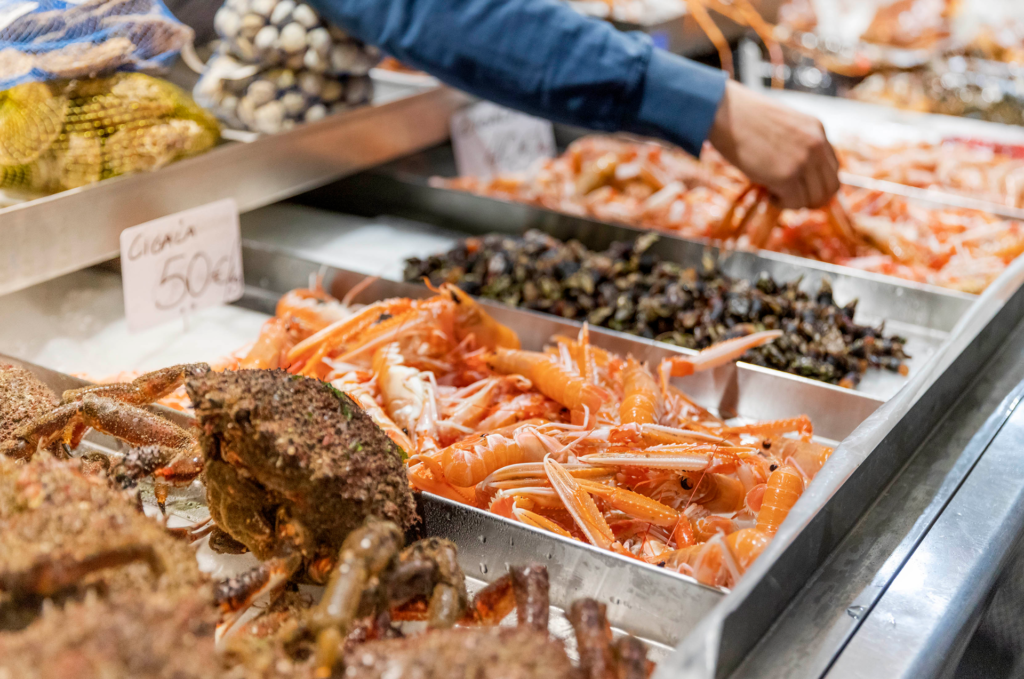
In many cuisines, shellfish plays a supporting role. In Galicia, it is central.
Notable examples include:
- Percebes (goose barnacles), prized for their intensity and danger of harvest
- Navajas (razor clams), grilled simply
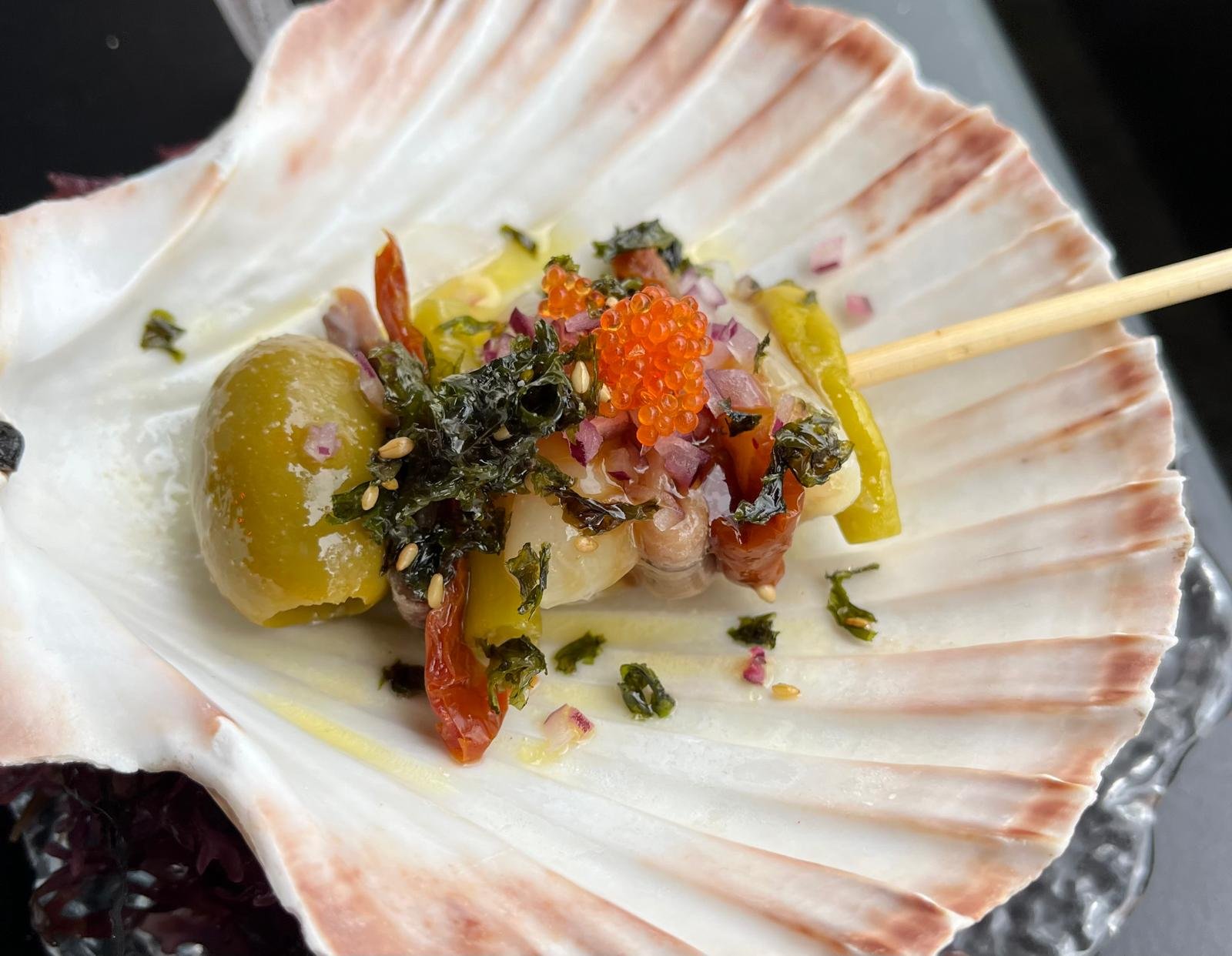
- Zamburiñas (small scallops), lightly cooked
- Almejas (clams), often prepared with minimal seasoning
These are not luxury ingredients dressed up for effect. They’re typically prepared with familiar Galician techniques — garlic, oil, paprika, light sauces — designed to highlight texture and salinity rather than compete with them.
Fish Cooked Simply — but Not Carelessly
Galicia’s reputation extends beyond shellfish.
Commonly prized fish include:
- Hake (merluza)
- Turbot (rodaballo)
- Sea bass (lubina)
- Monkfish (rape)
Preparation is typically straightforward — grilled, baked with potatoes and onions, or gently boiled and finished with oil or sauce. The simplicity reflects confidence rather than lack of technique. Freshness is assumed; sauces are secondary.
Simplicity, Restraint, and Technique
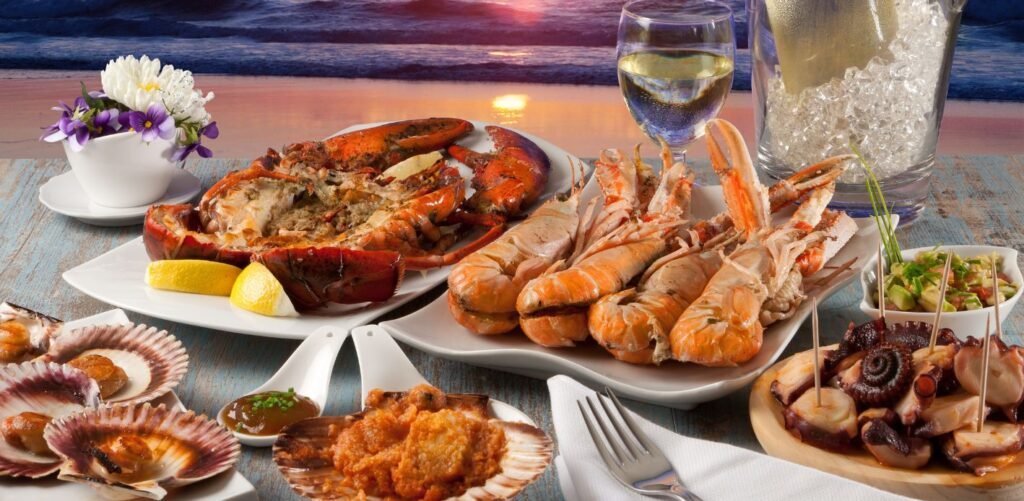
When Galician seafood is described as “simple,” that simplicity refers to restraint, not the absence of cooking.
Many traditional dishes rely on careful timing, layered flavor bases, and long-established methods — from broths and emulsified sauces to refogados built slowly with garlic and onion. Ingredients are few, but preparation is deliberate. What’s avoided is excess, not effort.
This approach only works when the underlying product is exceptional.
Seasonality, Regulation, and Local Expectations
Another reason Galician seafood stands out is the level of shared understanding between producers, restaurants, and diners.
Locals generally accept:
- That certain seafood is seasonal
- That scarcity affects availability
- That price reflects conditions at sea
Menus adjust accordingly, and expectations follow. This contrasts with regions where seafood availability is flattened year-round through imports and freezing.
How Galicia Compares to Other Seafood Regions
Galicia is often compared to places like Brittany, Portugal’s Atlantic coast, or parts of Scandinavia.
Each excels in specific ways. What distinguishes Galicia is the combination of shellfish diversity, everyday integration of seafood into meals, and deep local knowledge. Seafood here is not a niche product. It is infrastructure.
How to Eat Galician Seafood Well as a Visitor
Visitors get the most out of Galician seafood when they:
- Order fewer dishes
- Ask what’s best that day
- Avoid expecting elaborate presentations
- Accept that price reflects conditions
Trying to control the experience usually leads to disappointment. Letting go leads to better meals.
Common Misconceptions
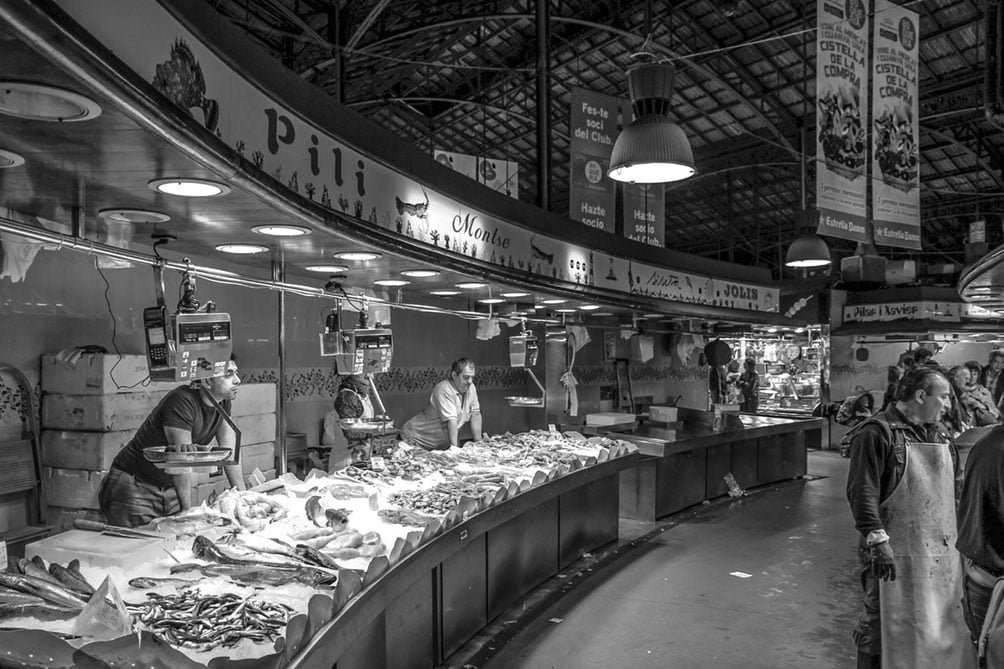
- “The quality comes from restaurants.”
In reality, most of the quality is determined before seafood reaches the kitchen. Harvesting methods, handling, and time from sea to market matter more than technique. - “All Galician seafood is the same year-round.”
Availability changes constantly. What’s excellent one week may be unavailable the next, and menus reflect those shifts. - “More preparation means better cooking.”
Galician seafood is judged by timing and judgment rather than complexity. Overworking high-quality product is considered a mistake, not an improvement.
Final Perspective
Galician seafood is considered among Europe’s best not because it is rare or elaborate, but because quality is protected at every stage — from harvesting and handling to preparation and service. The system values timing, seasonality, and judgment over display.
What reaches the table reflects not a single dish or technique, but a food culture built around respect for the sea and for limits.
Related Reading
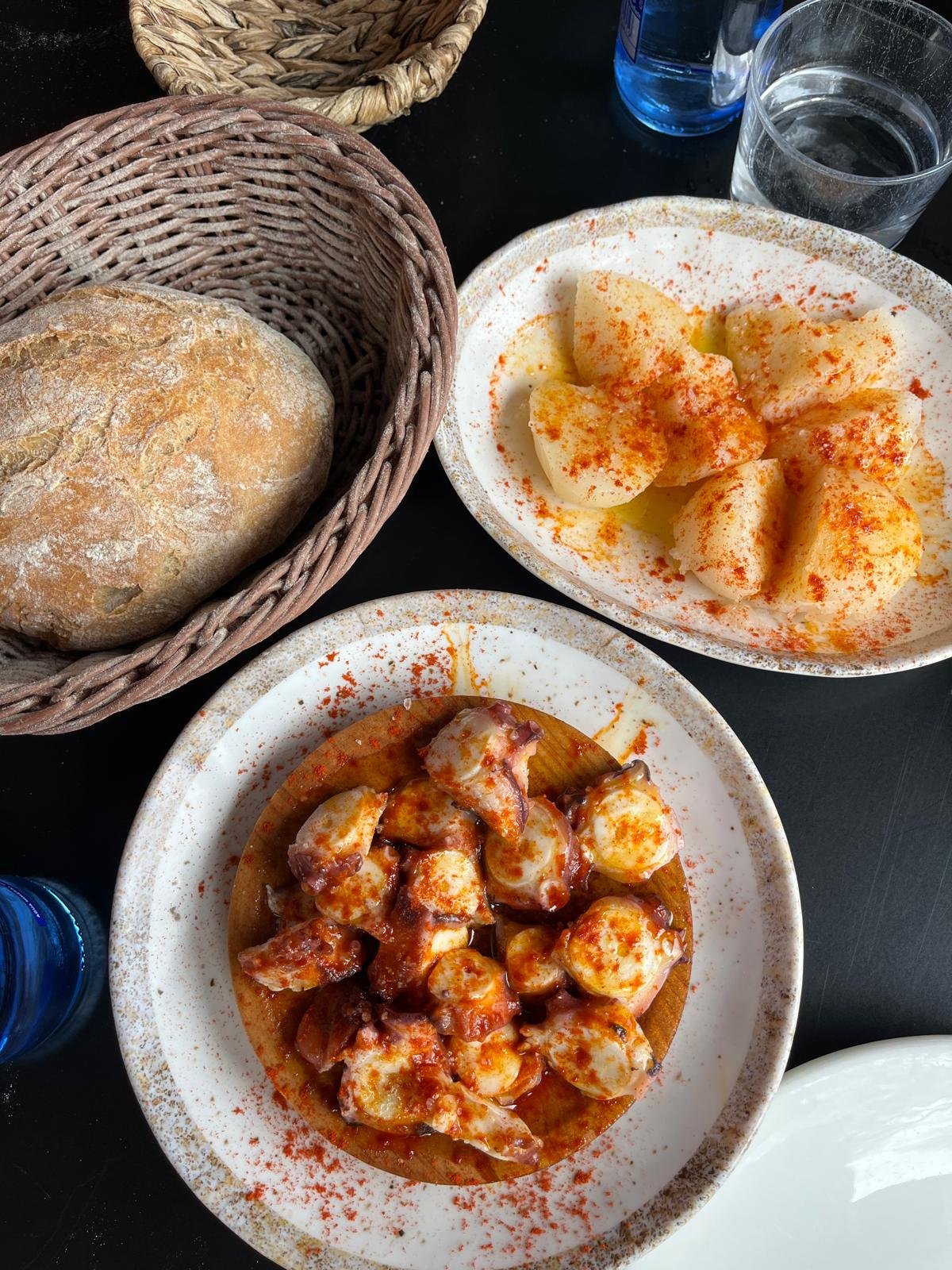
13 Essential Galician Dishes to Try
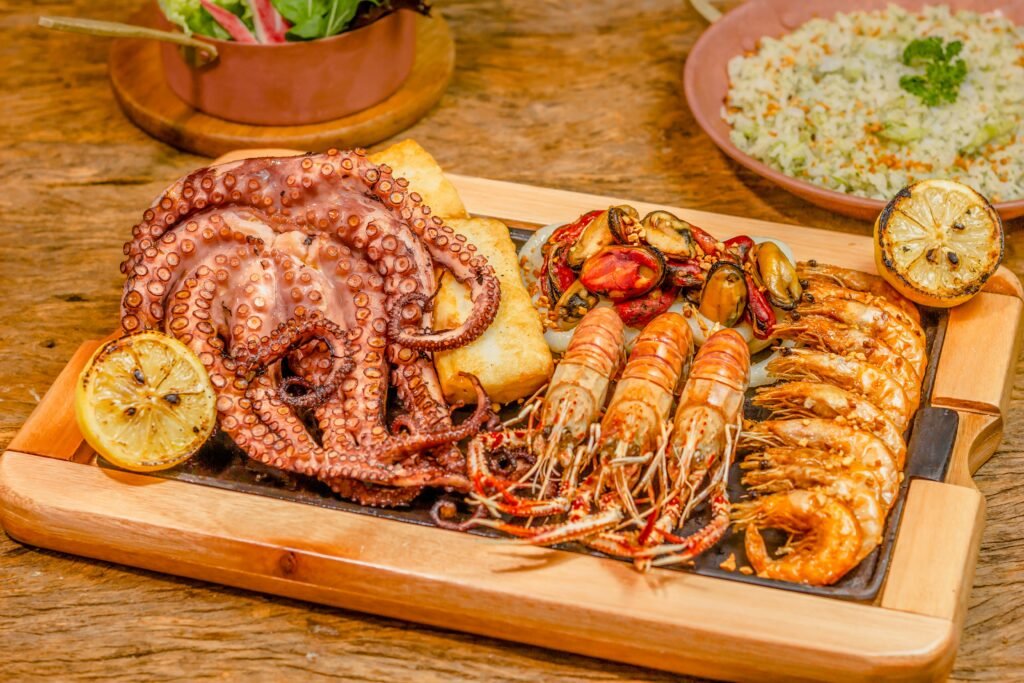
What is Galician Cuisine? A Complete Beginner’s Guide
Galician Food vs. Spanish Food: What Makes It Unique?

Best Restaurants in Ferrol (2026)