Galician Food vs. Spanish Food:
What Makes It Unique?
Spain is often described as a single culinary culture. In reality, it is a mosaic of regional food systems shaped by climate, geography, and history. Galicia sits apart from most of them.
Located in Spain’s northwest corner, Galicia’s food culture is Atlantic rather than Mediterranean, restrained rather than elaborate, ingredient-driven rather than technique-heavy. For travelers arriving with expectations formed by tapas bars, olive oil, and late-night dinners, Galician food can feel quietly unfamiliar—even surprising.
This guide explains what actually distinguishes Galician food from “Spanish food” as most visitors understand it, and why those differences matter when you eat, order, and travel in the region.
Galicia Is an Atlantic Food Culture — Not a Mediterranean One
The single most important distinction is geographic.
Much of Spain’s canonical cuisine developed around:
- Dry or semi-arid climates
- Olive oil as the primary fat
- Preserved meats and legumes
- Inland agricultural rhythms
Galicia developed under very different conditions:
- Cool, wet Atlantic weather
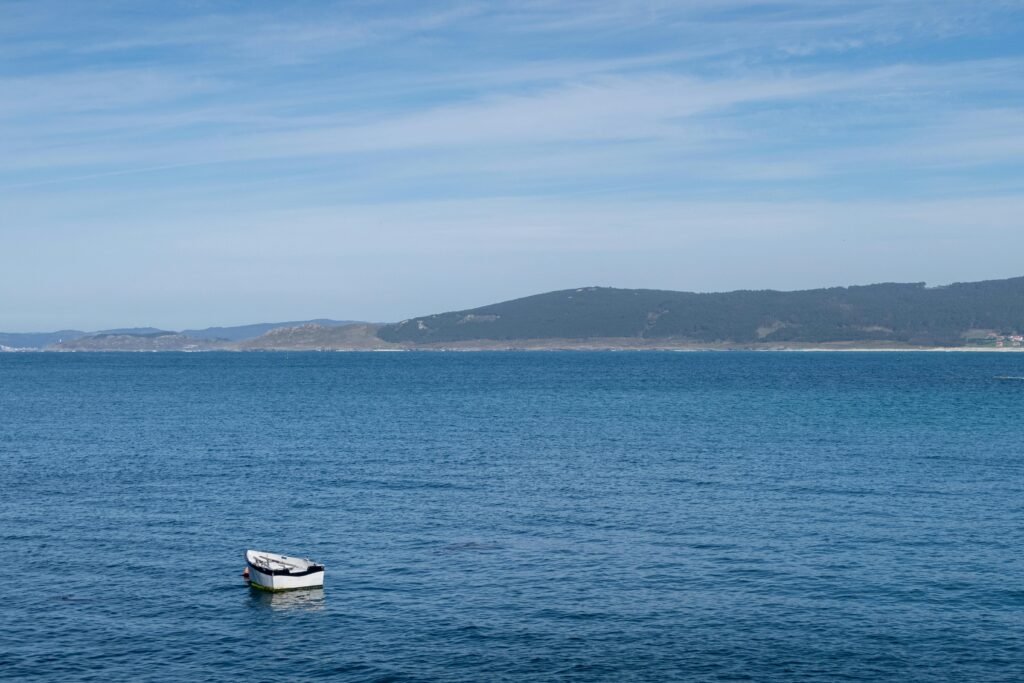
- Abundant coastline, rías (sea inlets), and rivers
- Green pastureland rather than dry plains
- Long fishing and shellfish-harvesting traditions
As a result, Galician cuisine is defined by seafood, dairy, and simplicity, not olive oil, spices, or heavy sauces.
If Mediterranean Spain cooks to enhance, Galicia cooks to avoid interfering.
Seafood Is the Center of the Table — Not an Accent
In much of Spain, seafood appears as:
- Paella components
- Fried fish (pescaíto frito)
- Mixed tapas plates
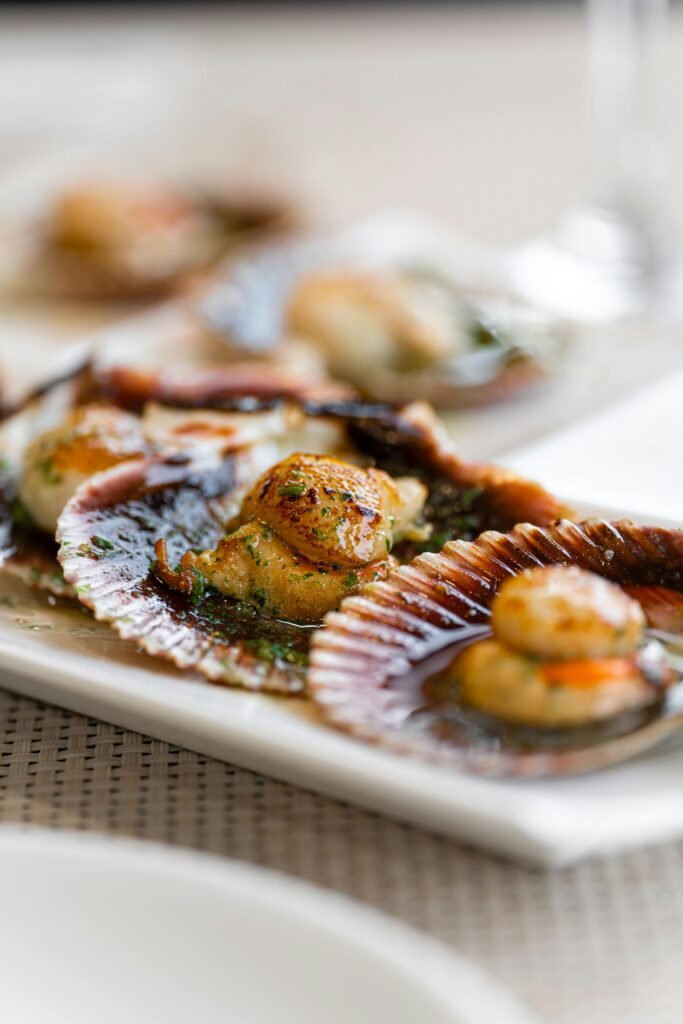
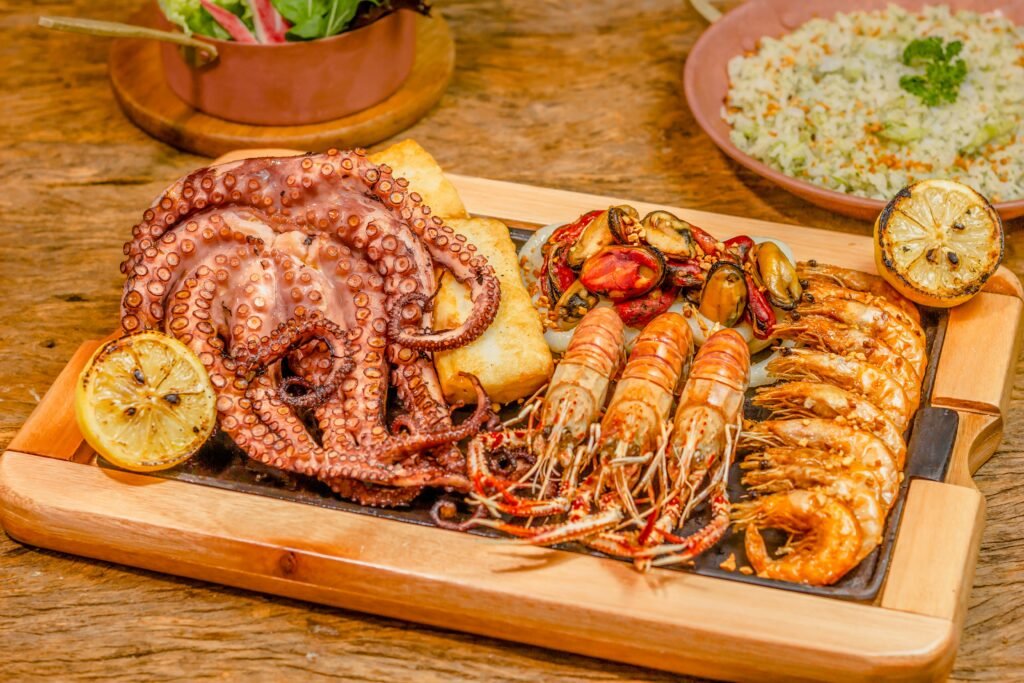
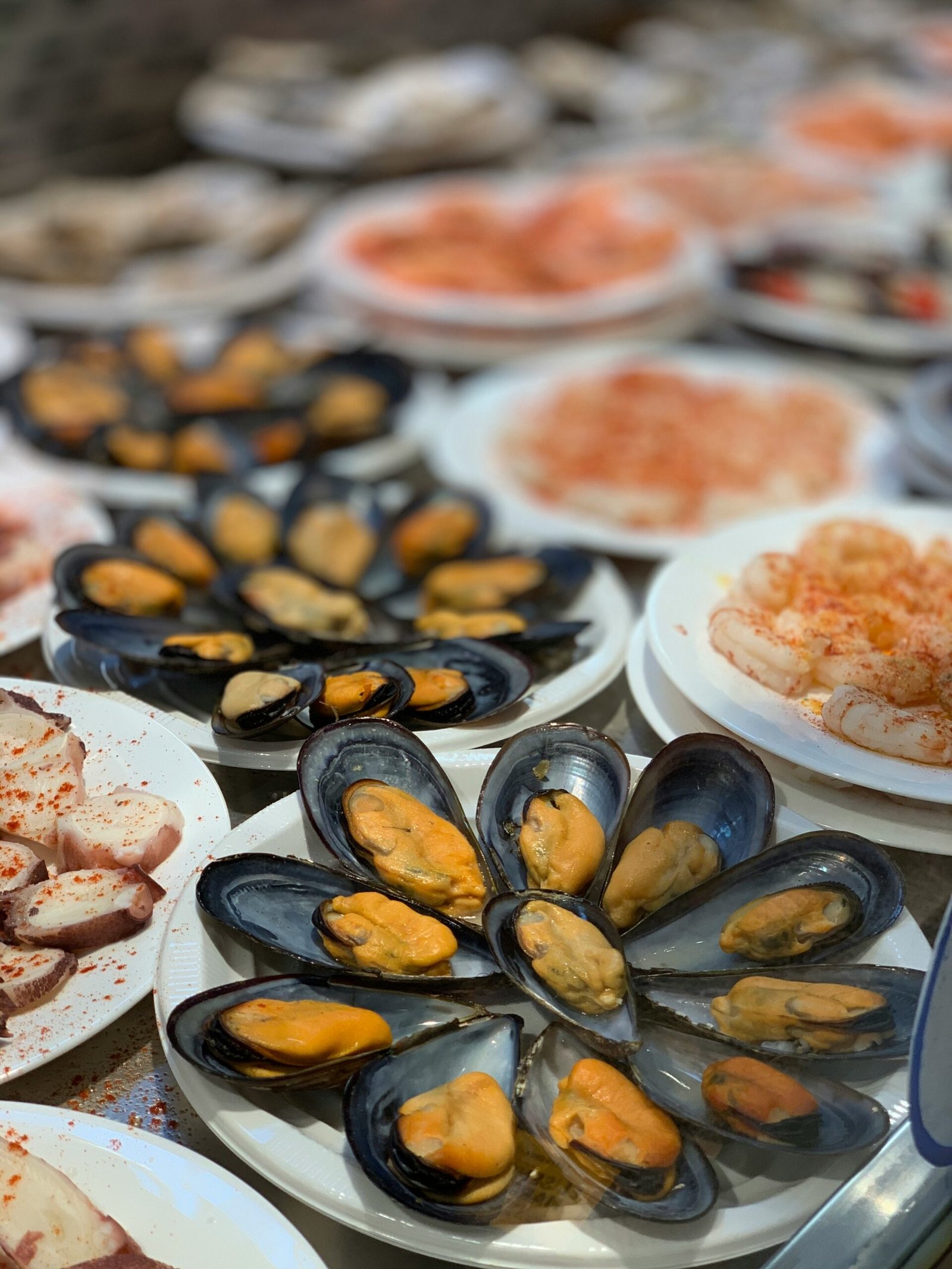
In Galicia, seafood is the meal.
Shellfish culture is particularly distinctive:
- Percebes (goose barnacles)
- Navajas (razor clams)
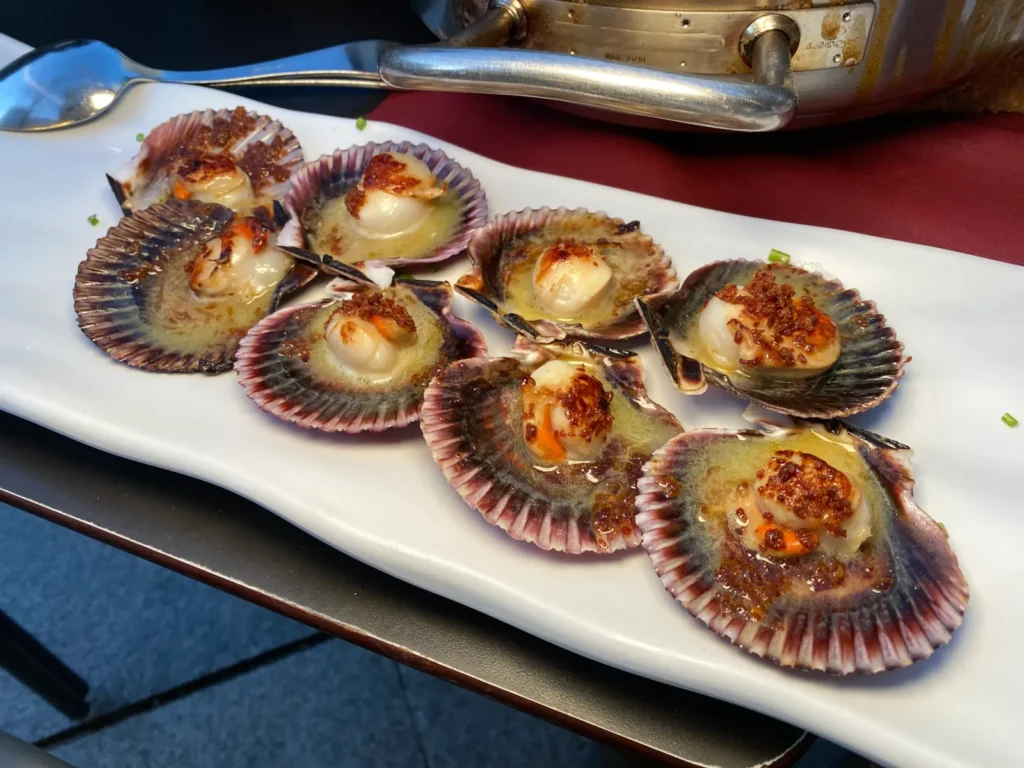
- Zamburiñas (small scallops)
- Almejas (clams) prepared simply, often just with garlic and white wine
Freshness is assumed, not advertised. Many shellfish are sold by weight and priced accordingly, reflecting real supply rather than menu theatrics.
Fish preparations are minimal:
- Grilled
- Boiled
- Baked with potatoes and onions (a la gallega)
Sauces rarely mask flavor. If a dish is complicated, it’s often considered suspect.
Octopus Is a Cultural Marker, Not a Novelty
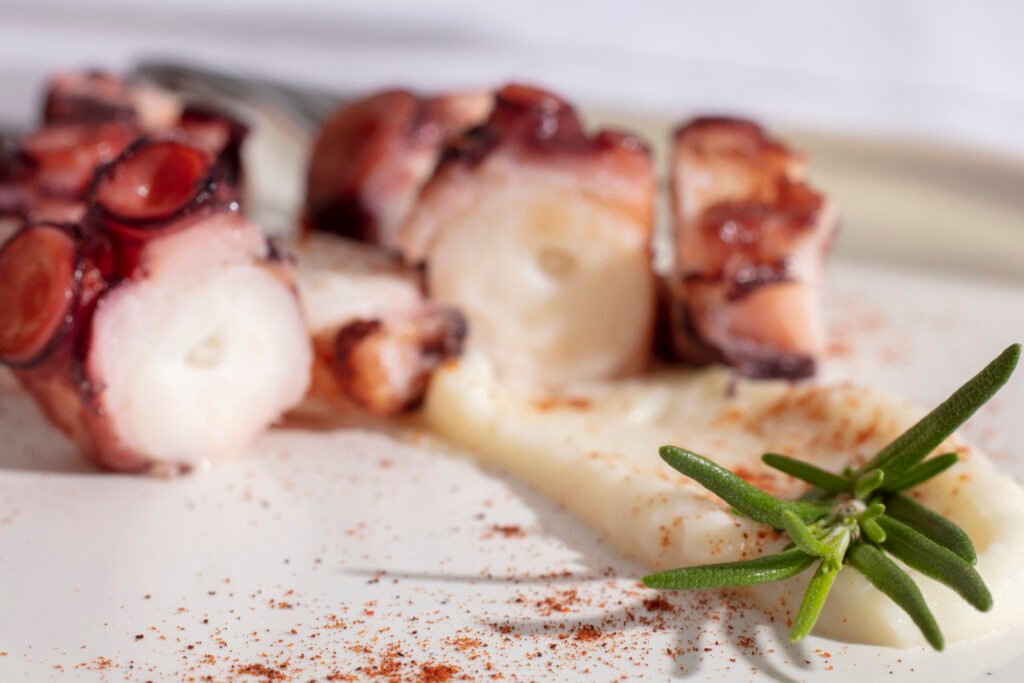
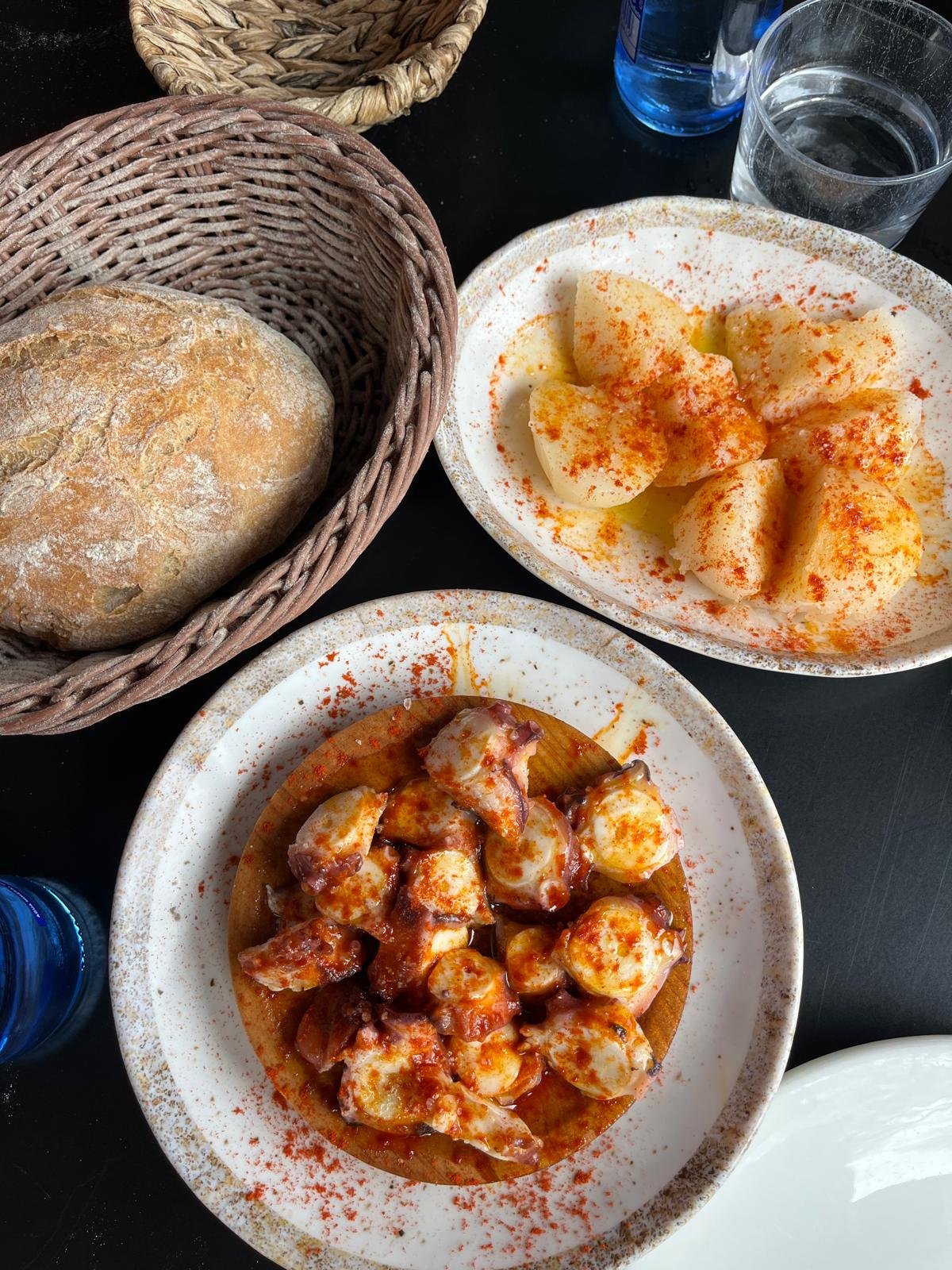
Pulpo a la gallega (or pulpo á feira) exists elsewhere in Spain—but only Galicia treats it as cultural infrastructure.
What makes it distinct:
- Traditionally cooked in copper pots
- Seasoned only with olive oil, salt, and paprika
- Served on wooden plates, often at fairs, markets, or specialized pulperías
It’s not a “tapas dish” in Galicia. It’s a shared plate, ordered deliberately, often alongside bread and wine.
For locals, pulpo isn’t exotic food. It’s ceremonial food.
Meat Exists — But It Doesn’t Dominate
Unlike central and southern Spain, where cured pork products anchor many meals, Galician meat dishes are fewer and more restrained.
Key examples:
- Lacón con grelos (boiled pork shoulder with turnip greens)
- Caldo gallego (broth with greens, potatoes, beans, and pork)
- Galician beef, prized for flavor rather than marbling or presentation
Cured meats exist, but they don’t define daily eating in the way jamón does elsewhere. Historically, meat was supplemental—not constant.
The vegetable presence matters here: grelos, cabbage, potatoes, and legumes play a real structural role in meals.
Olive Oil Is Present — But Not Sacred
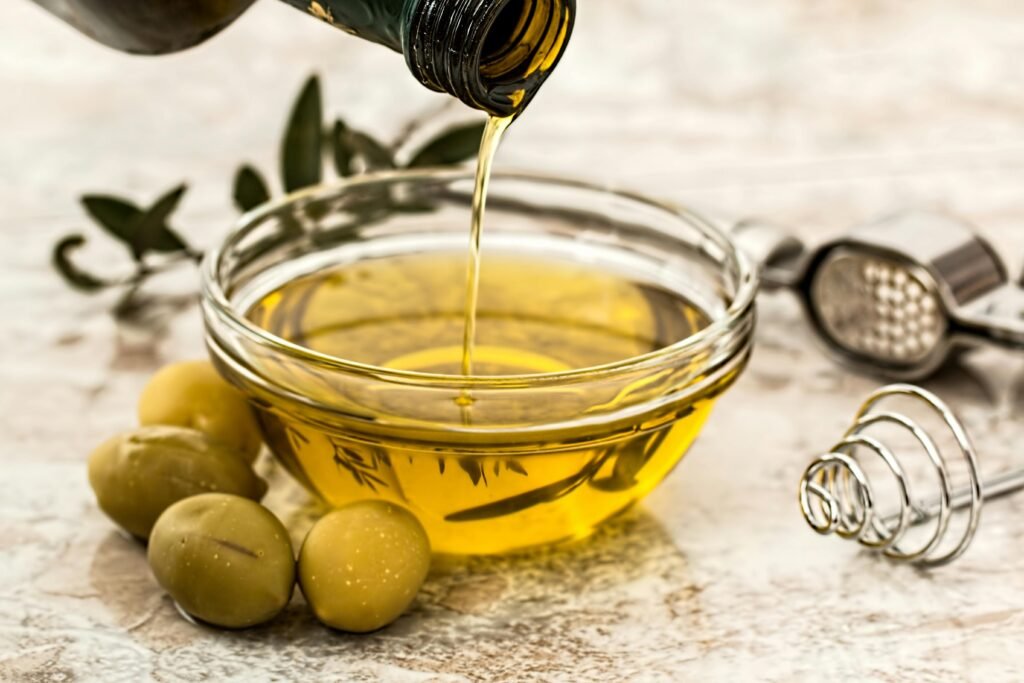
Olive oil is used in Galicia, but it does not carry the symbolic weight it holds in Andalusia or Catalonia.
You’ll notice:
- Butter and animal fats appear more naturally
- Olive oil is applied sparingly, often at the end
- No reverence for varietals or oil-forward dishes
This isn’t about quality; it’s about culinary logic. Galicia didn’t need olive groves to cook well.
Wine Is Part of the Meal, Not the Performance
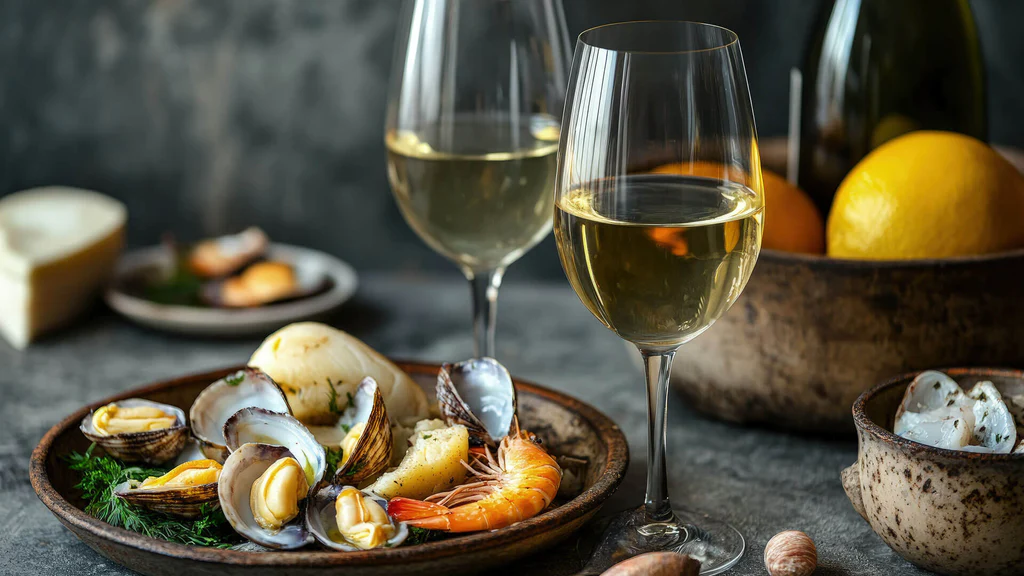
Spanish wine culture varies widely by region. Galicia’s is distinctive in its understatement.
Key traits:
- Albariño dominates coastal areas, especially Rías Baixas
- Ribeira Sacra produces lighter, Atlantic-influenced reds inland
- Wine is ordered to accompany food, not to headline it
You’re unlikely to encounter:
- Long wine lists curated for prestige
- Heavy oak-driven styles
- Overemphasis on “pairing” language
Wine supports the meal. It doesn’t compete with it.
Portions, Ordering, and Dining Rhythm Are Different
Visitors often misread Galician restaurants because expectations are shaped by tapas culture.
Important distinctions:
- Dishes are meant to be shared, but not grazed
- Portions are often generous and designed for the table
- Ordering too much is a common tourist mistake
Meals tend to feel calmer:
- Fewer small plates
- Less movement between dishes
- Longer time spent at the table, without theatrics
Galician dining is social, but not performative.
What Galicia Doesn’t Do Matters Too
To understand Galician food, it helps to note what’s largely absent:
- No tapas obsession
- No complex spice blends
- No heavy sauces
- No constant innovation for novelty’s sake
Tradition here is conservative in the best sense. Recipes persist because they work, not because they photograph well.
Why This Difference Matters for Travelers
Understanding these distinctions changes how you eat—and how satisfied you are.
Travelers who enjoy Galicia most:
- Order fewer dishes, better chosen
- Seek freshness over variety
- Adjust expectations around “Spanish food”
- Let the ingredient lead
Those who chase tapas bars and paella often leave confused.
Galicia rewards attentiveness, not comparison.
Final Perspective
Galician food is not a regional variant of Spanish cuisine—it is a parallel tradition shaped by the Atlantic.
It values:
- Ingredient integrity
- Restraint
- Seasonality
- Quiet confidence
If you approach it on its own terms, Galicia offers one of Spain’s most honest and satisfying food cultures.
Related Reading
13 Essential Galician Dishes to Try
What is Galician Cuisine? A Complete Beginner’s Guide

Best Restaurants in Ferrol (2026)
Galician Seafood: Why It’s Considered the Best in Europe