Albariño 101:
The Complete Guide to Galicia’s Most Famous Wine
Albariño has become an easy wine to recognize and an easy wine to underestimate.
Outside Galicia, it’s often treated as a bright, aromatic white — refreshing, uncomplicated, and interchangeable with other coastal styles. That reading isn’t wrong, but it’s incomplete. In Galicia, Albariño plays a different role. It’s shaped by a cool Atlantic climate, granite-heavy soils, and a food culture that values balance over impact.
This article looks at what Albariño actually is, how Galicia shapes it, and how to tell the difference between wines made for convenience and those made with intent.
What Albariño Is — and What It Isn’t
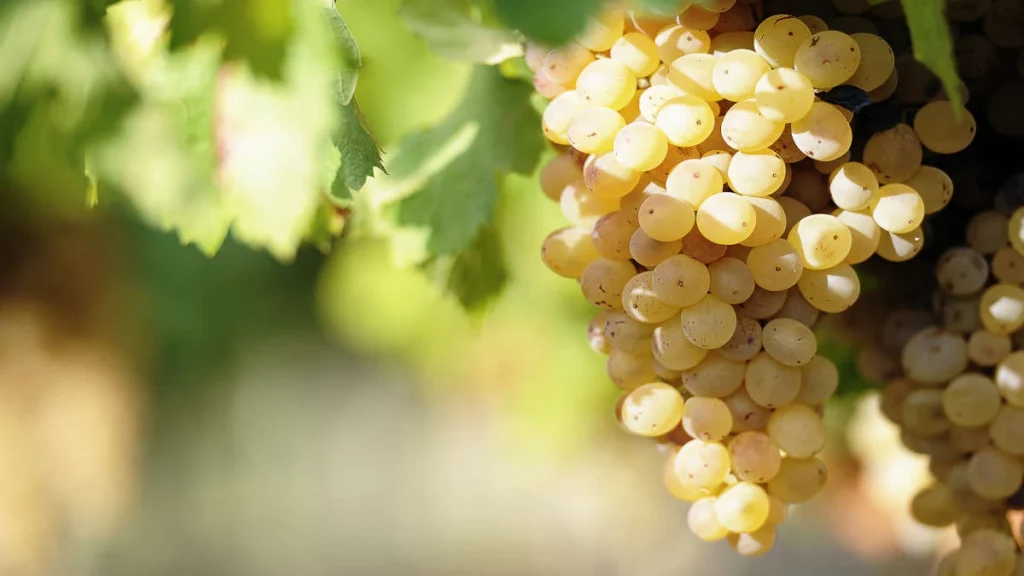
Albariño is a white grape native to northwestern Spain, most closely associated with Galicia’s coastal vineyards. It has been grown here for centuries, typically in small plots rather than large, consolidated sites, long before modern export markets shaped how it was presented.
The grape holds acidity easily, even in warm years. Its skins are thicker than most aromatic whites, which contributes to texture as much as aroma. Sugar accumulation is moderate, so alcohol levels tend to stay controlled.
Albariño’s reputation for simplicity comes largely from how it has been marketed and vinified, not from any inherent limitation of the grape itself.
Why Galicia Matters So Much
Albariño behaves differently in Galicia because the conditions are different.
The climate is Atlantic: cool, wet, and slow-moving. Rainfall is high, summers are mild, and the growing season is long. These factors preserve acidity and prevent the grape from tipping into over-ripeness.
Granite-dominant soils are common throughout Albariño vineyards. They don’t add flavor in a literal sense, but they do reinforce precision, keeping wines focused rather than broad.
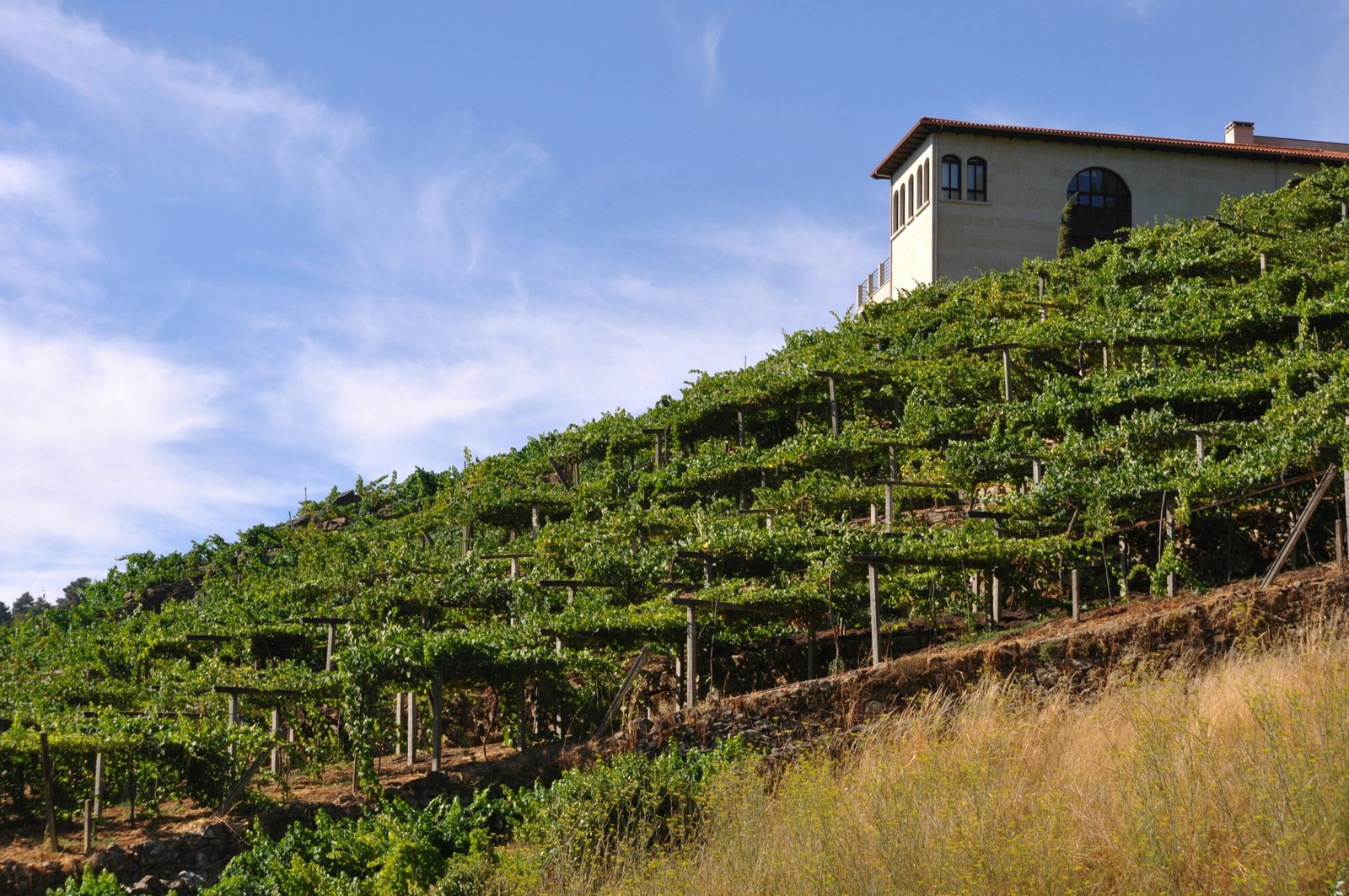
Historically, many Albariño vines were trained high on pergolas — not as a stylistic choice, but as a practical response to humidity. Elevating the fruit improved airflow and reduced disease pressure in a wet environment, and that logic still shapes vineyard practices today.
Taken together, these conditions favor wines that stay fresh without feeling thin and structured without becoming heavy.
Rías Baixas: Albariño’s Center of Gravity
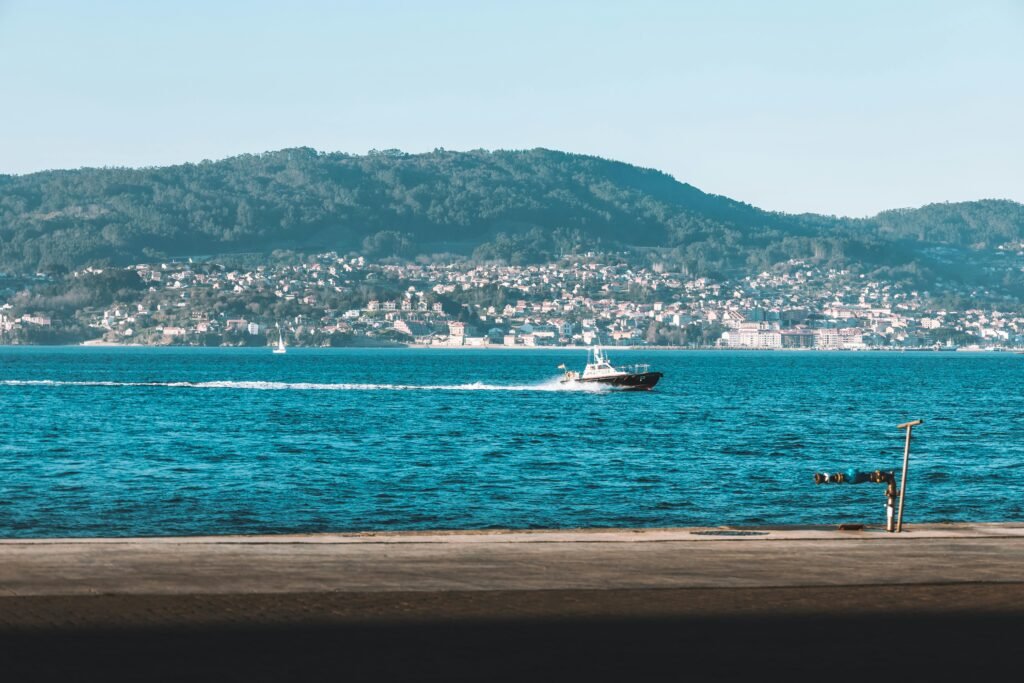
Albariño is grown elsewhere, but Rías Baixas remains the reference point.
The region runs along Galicia’s western coastline and is divided into several subzones, each with a slightly different profile. Val do Salnés, centered around towns like Cambados, is the most maritime and often produces the leanest, most saline wines. O Rosal, closer to the Miño River and the Portuguese border, is slightly warmer and often allows blending with other local varieties, resulting in broader textures. Condado do Tea, further inland near Tui, tends to produce riper expressions with more body.
Across Rías Baixas, the best wines tend to share a few common traits: clear acidity without sharpness, moderate alcohol, and a sense of weight that comes from texture rather than ripeness. That consistency reflects not only climate, but a regional culture that favors balance and restraint over showiness.
Over the past twenty years, the region has moved away from wines meant only for immediate consumption and toward styles that can hold for several years.
How Albariño Is Typically Made
Most Albariño is fermented in stainless steel. That choice preserves clarity and acidity and suits the grape well.
More deliberate producers add time rather than oak. Lees aging is common and contributes body and grip. Some wines are held back before release to allow edges to settle. Large neutral oak or concrete appears occasionally but rarely plays a defining role.
What’s generally avoided are heavy new barrels, aggressive malolactic fermentation, or techniques that push alcohol or sweetness. Those approaches tend to work against the grape’s strengths.
How Albariño Tastes When It’s Handled Well
Well-made Albariño is not especially loud.
Flavors usually sit in the citrus and stone-fruit range, with saline notes that reflect proximity to the sea. Floral elements appear, but they’re secondary. Acidity is firm, but the better wines carry it with enough mid-palate weight to feel complete.
When Albariño is rushed or simplified, it shows up as thin, overly fruity, or short. Quality is easier to spot in texture and finish than in aroma alone.
Albariño at the Table
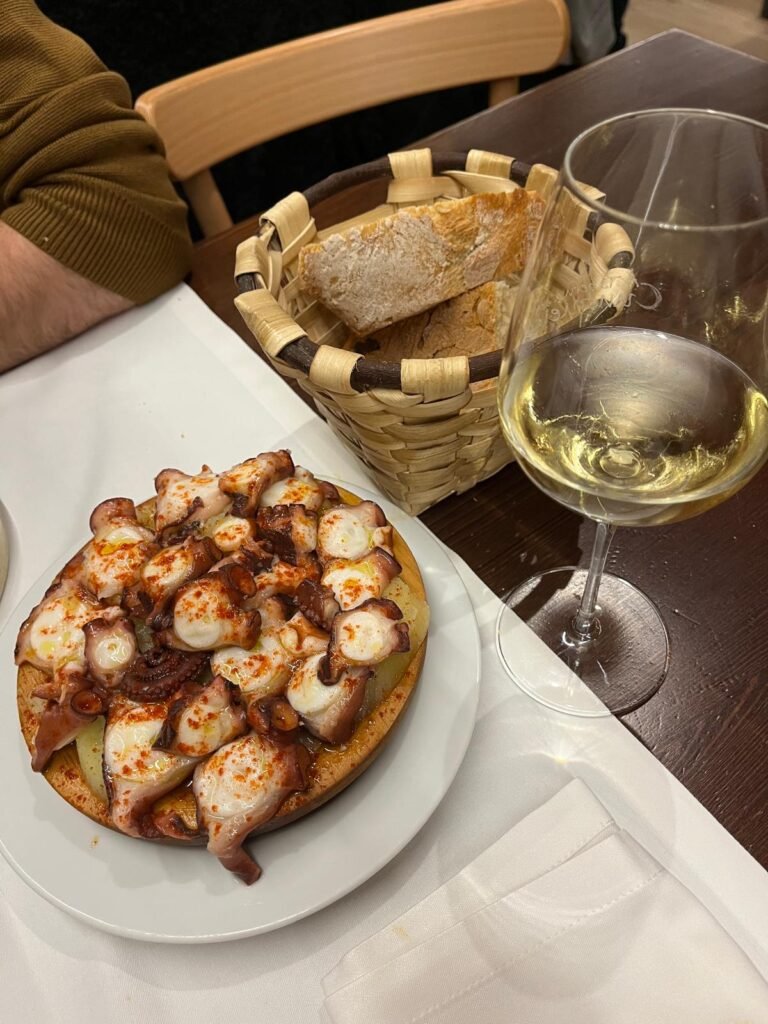
Albariño works because it fits how people eat in Galicia.
Its acidity and salt-adjacent profile make it reliable with shellfish, octopus, fried fish, and simple rice dishes. It doesn’t compete with food or dominate it. It resets the palate and stays out of the way.
That compatibility isn’t incidental. Albariño developed alongside a cooking tradition that prioritizes freshness, restraint, and repetition over complexity.
Comparisons That Help — and Those That Don’t
Albariño is often compared to Sauvignon Blanc or Grüner Veltliner. Those comparisons can help situate the grape, but they only go so far.
Albariño generally shows less overt herbaceousness than Sauvignon Blanc and more salinity than most Grüner. It keeps acidity without becoming sharp and tends to feel more anchored at the table than many similarly styled whites.
In Atlantic conditions, it occupies its own space.
Aging Potential
Most Albariño is made to be consumed young. That’s not a flaw; it’s a choice.
Higher-quality examples — particularly those with lower yields and extended lees contact — can develop for five to ten years. With time, they gain texture and complexity without losing balance.
Whether an Albariño ages well depends far more on producer decisions than on the grape itself.
Common Misunderstandings About Albariño
Albariño is often treated as a seasonal wine.
→ In Galicia, it’s used year-round. The grape’s acidity and moderate alcohol make it reliable with food beyond summer seafood — especially with rice dishes, vegetables, and fried preparations. It functions as a table wine first, not a refreshment.
Albariño is assumed to be uniform.
→ In practice, site and handling matter. Coastal vineyards, inland exposure, lees contact, and time before release all shape the final wine. Two Albariños from Rías Baixas can behave very differently, even without oak or blending.
Albariño is described as simple.
→ When it’s made to be immediate, it can be. In Galicia, simplicity is often intentional — a way of preserving balance rather than adding layers. That restraint doesn’t limit the wine; it defines how it’s meant to be used.
Seen clearly, these aren’t flaws or contradictions. They’re choices tied to climate, cuisine, and long-standing habits.
Why Albariño Matters Beyond Galicia
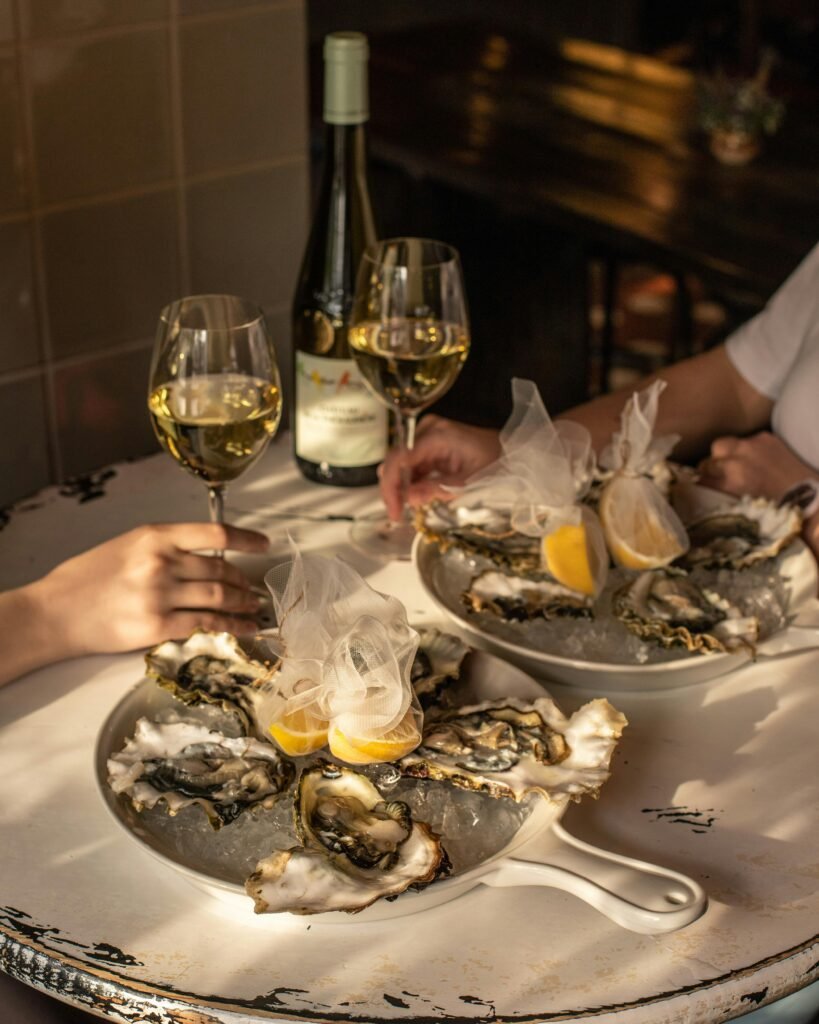
Albariño’s wider success reflects a shift in how many people now drink wine: with food, with moderation, and without chasing power.
Galicia didn’t adjust Albariño to fit that shift. The grape was already doing the work.
Final Perspective
Albariño’s reputation is built on reliability. In Galicia, that reliability comes from climate, soil, and a long-standing preference for balance over impact.
When those factors are respected, Albariño functions as a precise, useful wine with more range than its reputation suggests. Not dramatic, not ornamental — just well-suited to where it comes from and how it’s used.
Related Reading
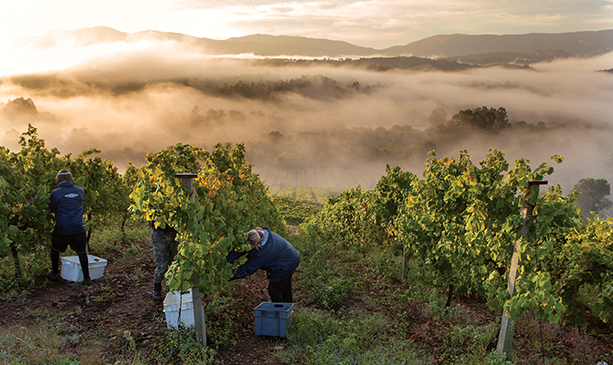
Rías Baixas: Galicia’s Atlantic Wine Region
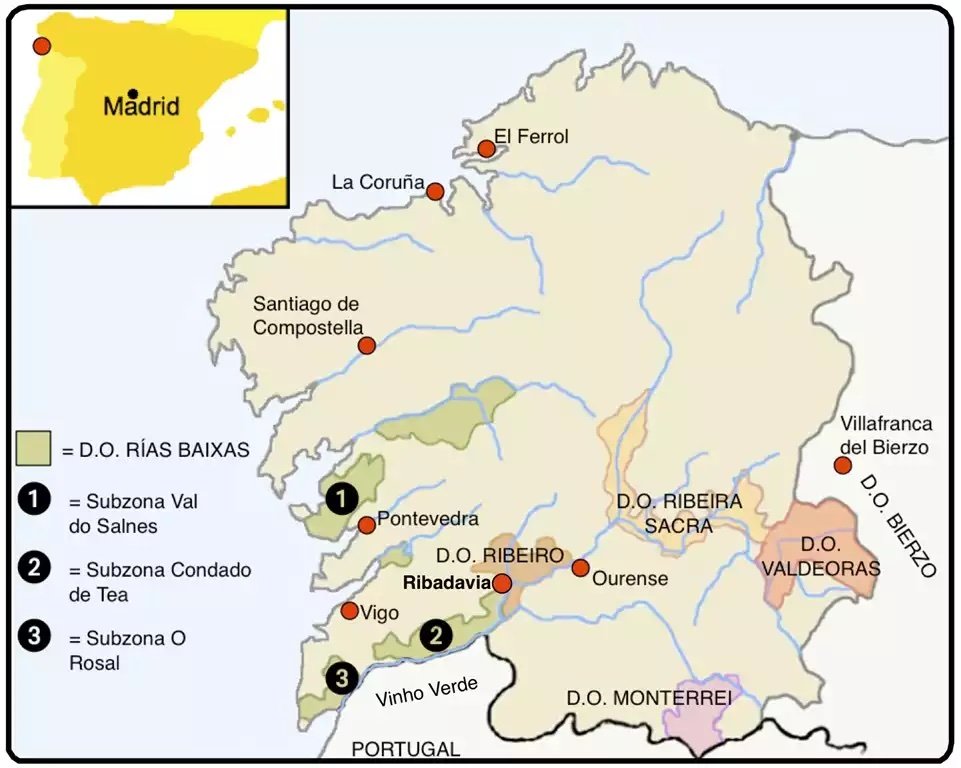
The Wines of Galicia: An Overview of All Four Major Regions
The Wines of Ribeiro: Galicia’s Ancient Wine Region Explained
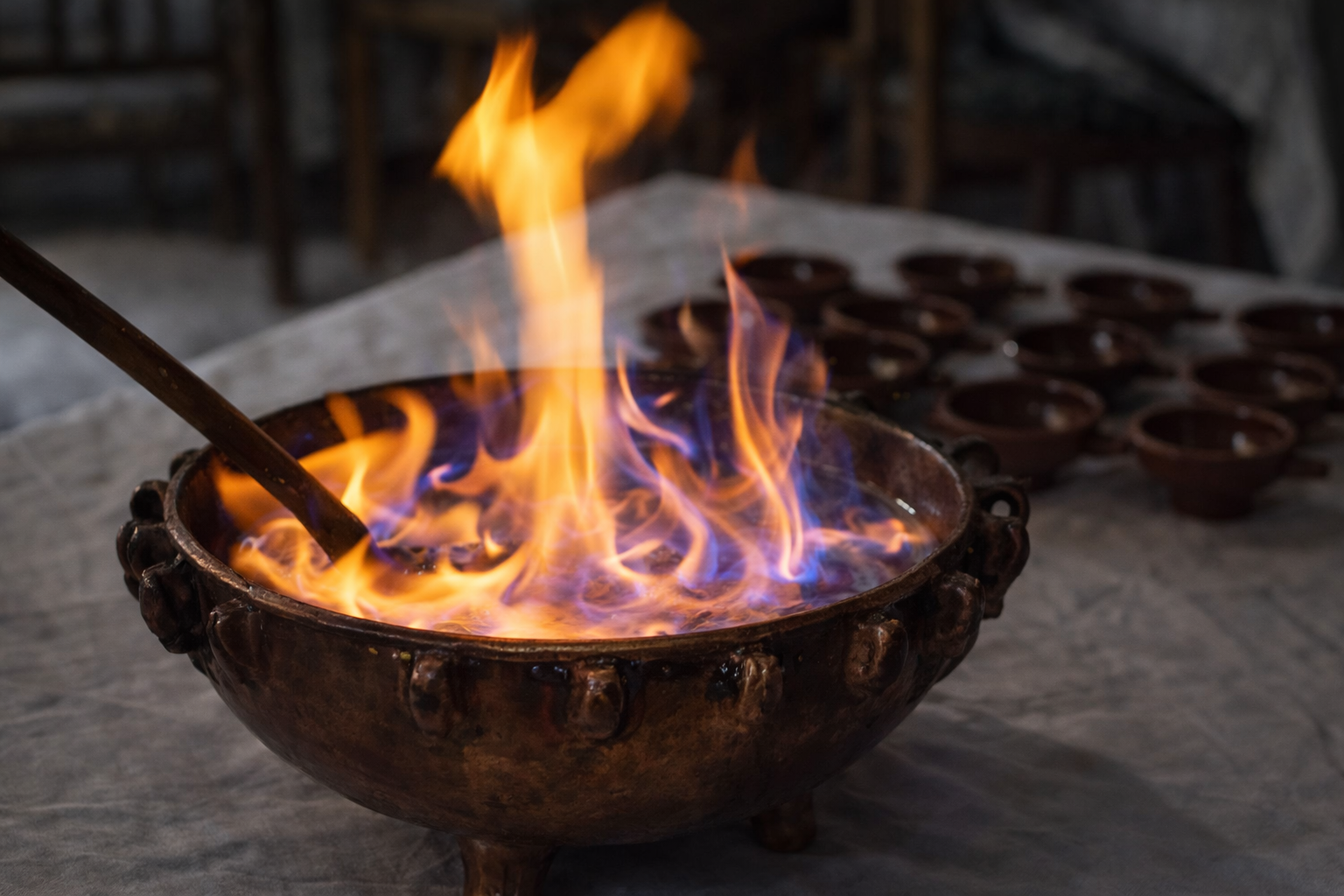
Traditional Galician Drinks: From Queimada to Licor Café