
Do You Need Tours in Galicia? When They’re Actually Worth It
Most of Galicia is best explored independently.
Cities like Santiago de Compostela and A Coruña are easy to navigate, and much of the coastline rewards slow, flexible travel. But there are a few situations where tours can make sense — usually when logistics become difficult or time is limited.
This guide focuses on those cases. Most of the tours referenced here are based in Santiago de Compostela, which is the most common starting point for day trips across Galicia.
When Tours Are Actually Worth It
In most cases, you won’t need one. But a tour can be useful if:
You don’t have a car
Public transport in Galicia is limited outside major cities, especially for coastal and rural areas.
You’re short on time
Day trips can compress long distances and remove the need to coordinate transport.
The destination is logistically complex
Some places require careful timing, multiple stops, or advance planning.
You want deeper context or a structured experience
This can include historical walking tours, winery visits, or guided experiences that add explanation rather than just access.
Places Where Tours Can Make Sense
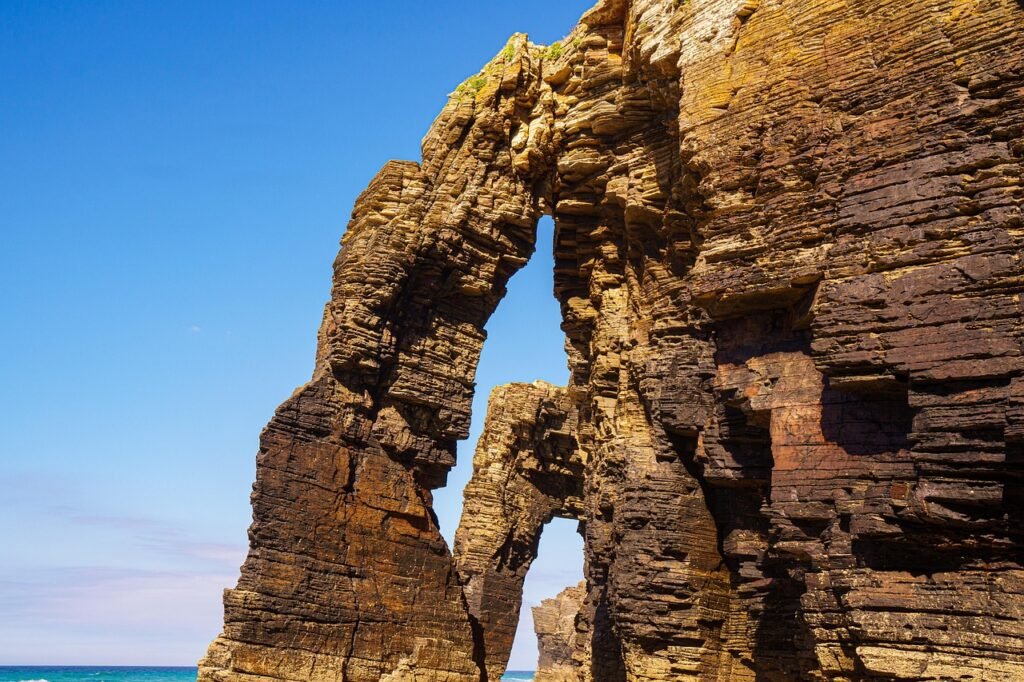
Praia das Catedrais
Why it’s tricky:
Access depends on the tide, and the beach is relatively remote from most major bases. In peak season, permits may also be required.
When a tour helps:
If you’re not driving and want to ensure you arrive at the right time for low tide.
Ribeira Sacra
Why it’s tricky:
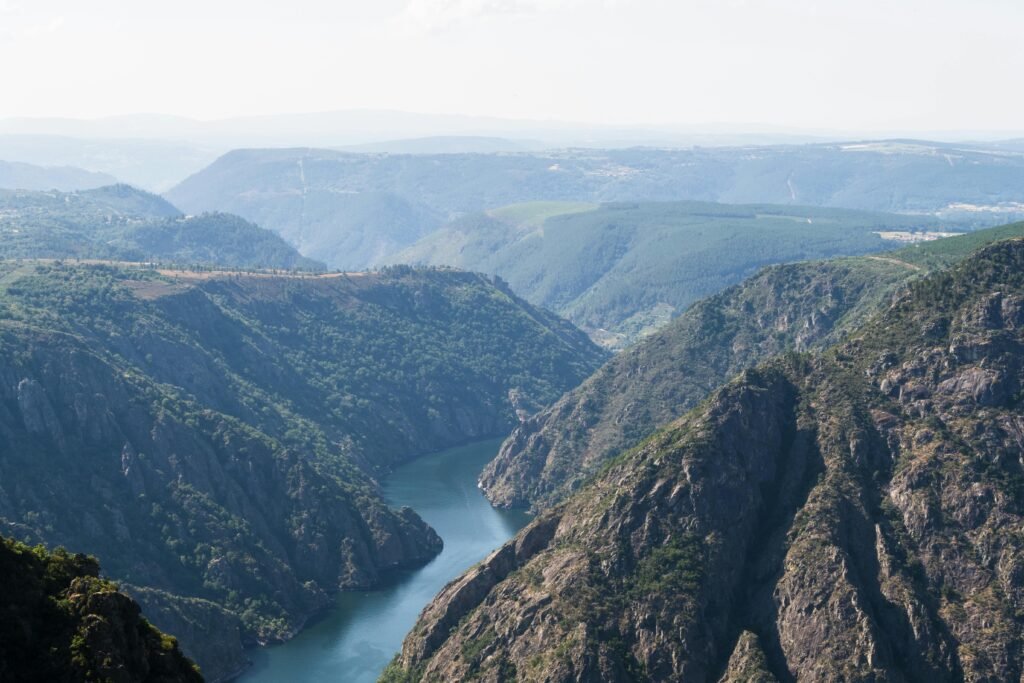
The region is spread out, with viewpoints, monasteries, and wineries located far apart. Public transport is limited.
If you’re planning to visit independently:
See our full guide to Ribeira Sacra, including driving routes, viewpoints, and how to structure your visit.
When a tour helps:
If you want to combine the Sil River canyon, a boat ride, and a winery visit in a single day.
Costa da Morte & Finisterre
Why it’s tricky:
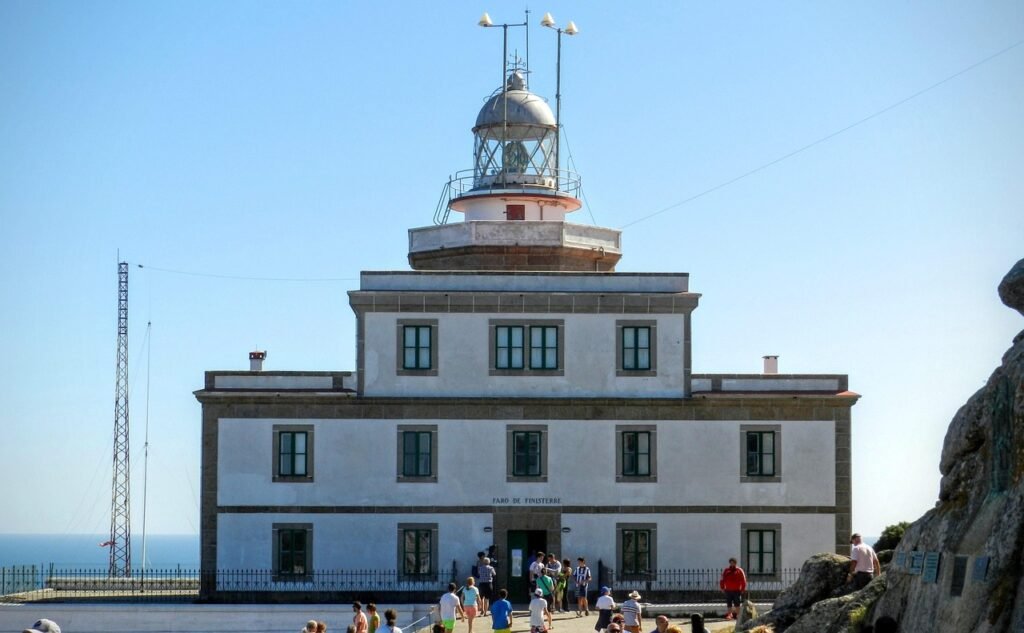
Distances are long and the route includes multiple stops. Doing it efficiently without a car is difficult.
When a tour helps:
If you want to visit Finisterre and Muxía from Santiago in one day without managing transport.
Rías Baixas (Wine Region)
Why it’s tricky:
Wineries are spread out, and driving limits your ability to taste.
What tours actually look like
Most tours combine:
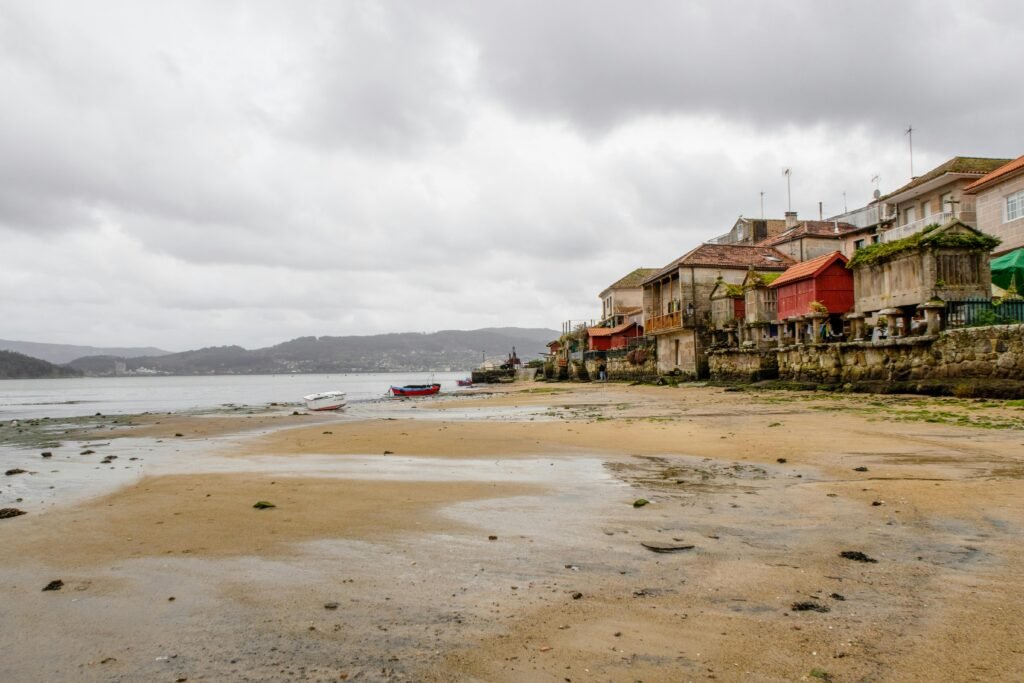
- Coastal stops (Cambados, Combarro, etc.)
- Scenic viewpoints
- A winery visit and tasting
When a tour helps:
If you want to experience the region without planning transport — especially if you plan to drink.
Places You Don’t Need a Tour
Santiago de Compostela
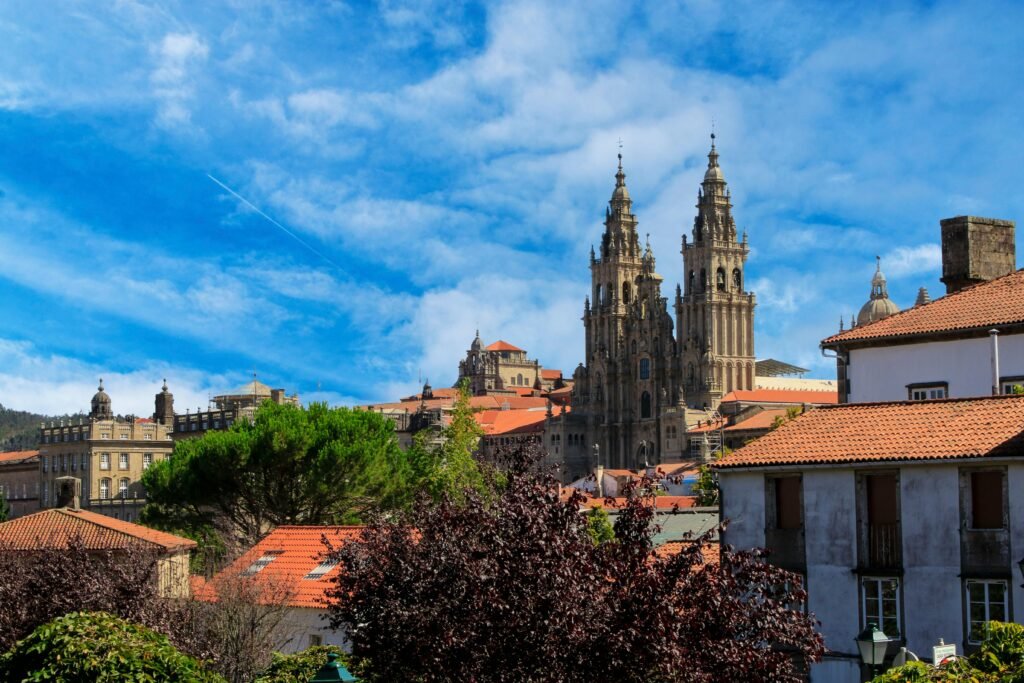
The old town is compact and walkable. Most visitors are better off exploring independently— see our guide to what to visit in Santiago de Compostela for the key sights.
A Coruña
Easy to navigate, with key sights concentrated along the coast and city center — see our guide to what to visit in A Coruña for the key sights.
Cíes Islands
Access requires a permit and ferry booking, typically from Vigo, but the process is straightforward and best handled independently — see our guide to visiting the Cíes Islands for how to plan your trip.
Much of the Galician Coast
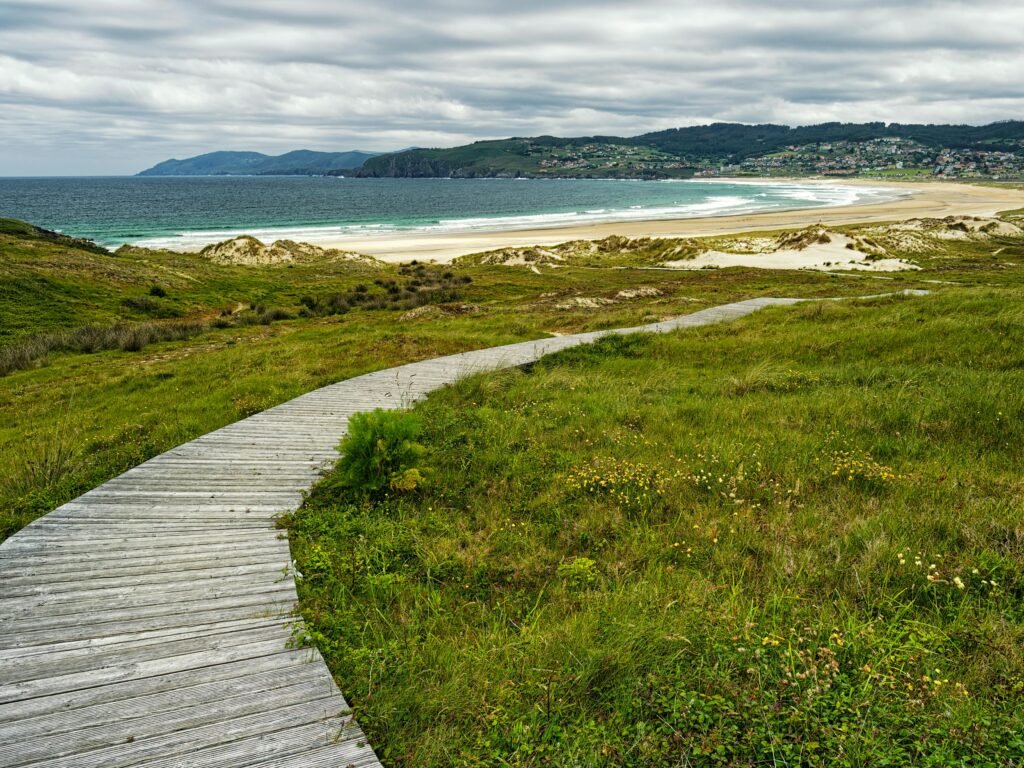
The coastline is best experienced slowly. Fixed itineraries often miss the point.
Bottom Line
Tours in Galicia are not essential.
But they can be useful when transport is difficult, distances are large, or time is limited. In most other cases, independent travel offers more flexibility and a better overall experience.
Optional: Browse Tours in Galicia
If you’re short on time or not renting a car, you can browse a curated selection of tours across Galicia. This includes day trips, guided walking tours for historical context (Santiago, A Coruña, Vigo), and a small number of more specialized experiences.

Best Beaches in Galicia

The Cíes Islands: Visiting Galicia’s Most Beautiful National Park

Ultimate Guide to Ribeira Sacra
What To See in Santiago de Compostela

What To Do in A Coruña
