15 Essential Galician Dishes You Must Try
Galician cuisine is shaped by the Atlantic Ocean, rural traditions, and centuries of simple, ingredient-driven cooking. From world-famous octopus to humble winter stews and addictive tapas, food in Galicia is honest, hearty, and deeply tied to place.
If you’re visiting the region for the first time, these are the 15 essential Galician dishes that define local food culture.
1. Pulpo á Feira
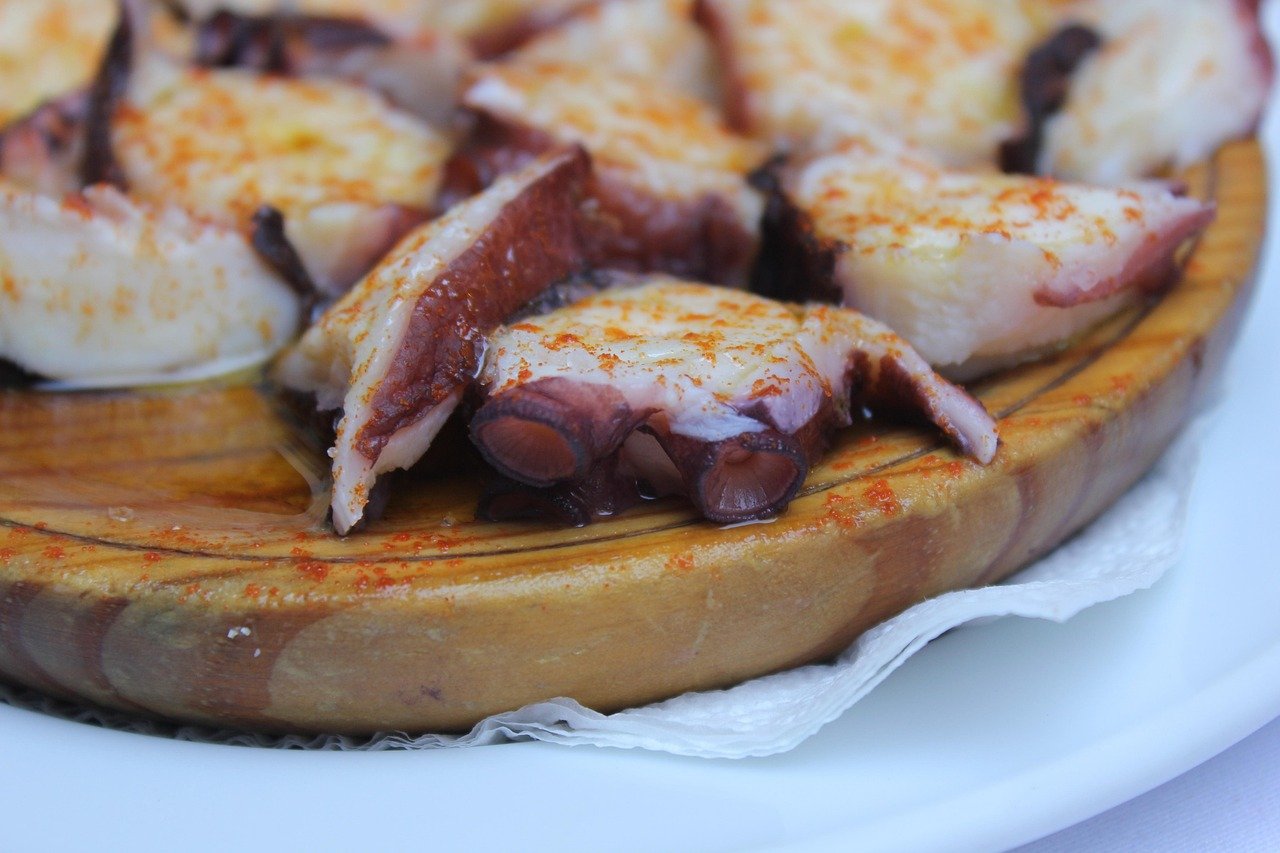
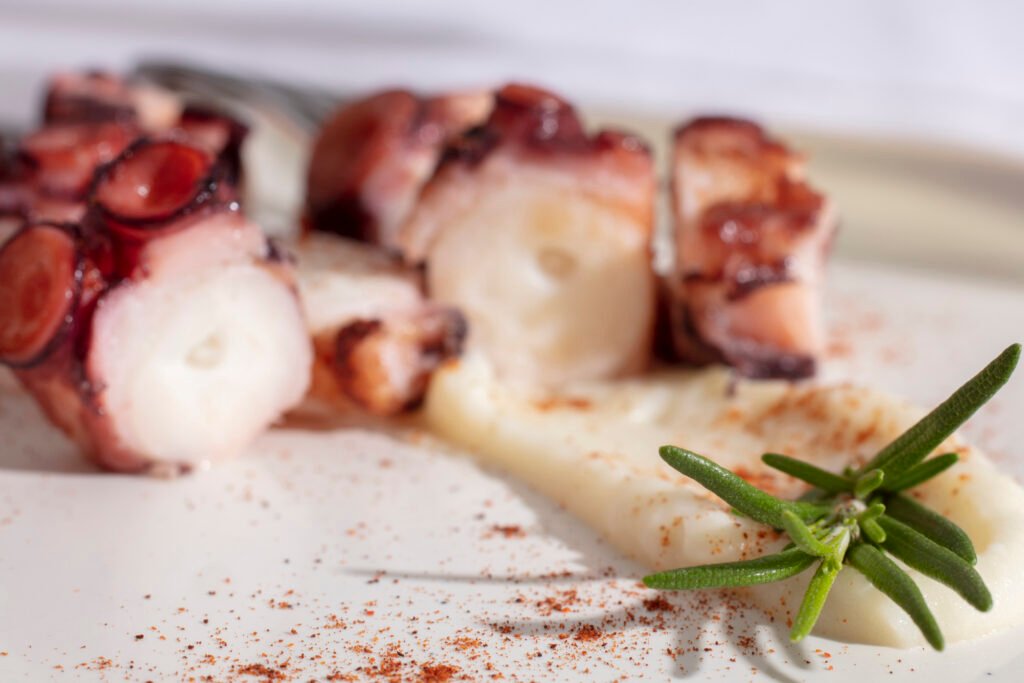
Pulpo á feira is Galicia’s most iconic dish. It is traditionally prepared by pulpeiras, who boil octopus in large copper pots, slice it with scissors, and season it simply with:
- Olive oil
- Paprika
- Coarse sea salt
It’s typically served over soft boiled potatoes on wooden plates and eaten with toothpicks rather than cutlery. Originally a festival and fair dish, it’s now found across the region in dedicated octopus taverns (pulperías). Few foods represent Galician identity more directly than this one.
2. Empanada Gallega
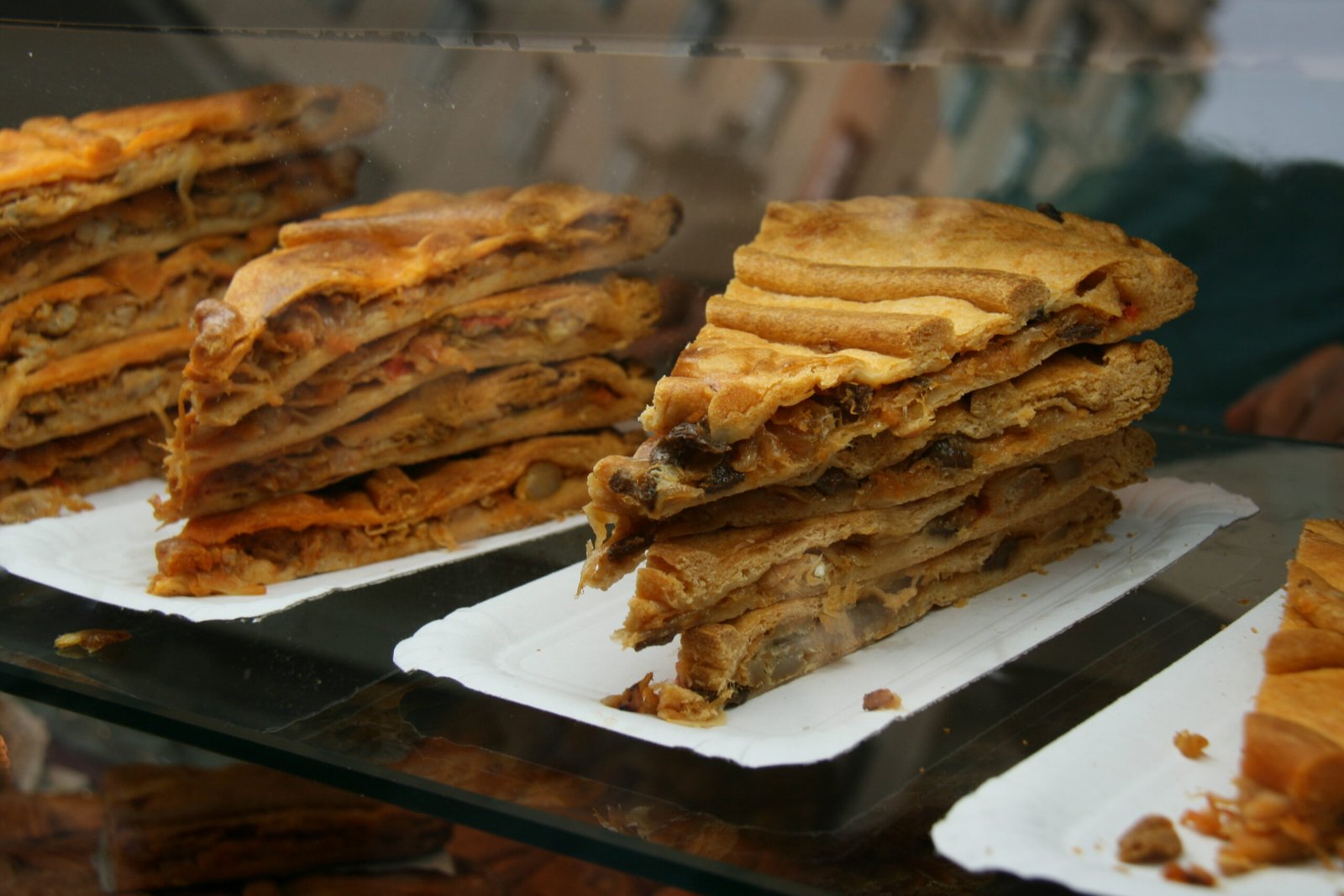
Galician empanadas are the ancestors of the empanadas now found across Latin America. Unlike the small hand pies common elsewhere, Galician empanadas are baked as large round or rectangular pies, cut into slices and shared.
The dough is traditionally enriched with olive oil from the filling itself, and the base usually includes onion and red pepper for flavor. They are most commonly filled with:
- Tuna
- Meat
- Sardines
- Cod
- Shellfish
Found in bakeries, cafés, rural fairs, and homes, empanadas are one of Galicia’s most everyday — and most beloved — foods. While grocery stores sell them too, the best versions are almost always freshly baked from local panaderías.
3. Mariscos
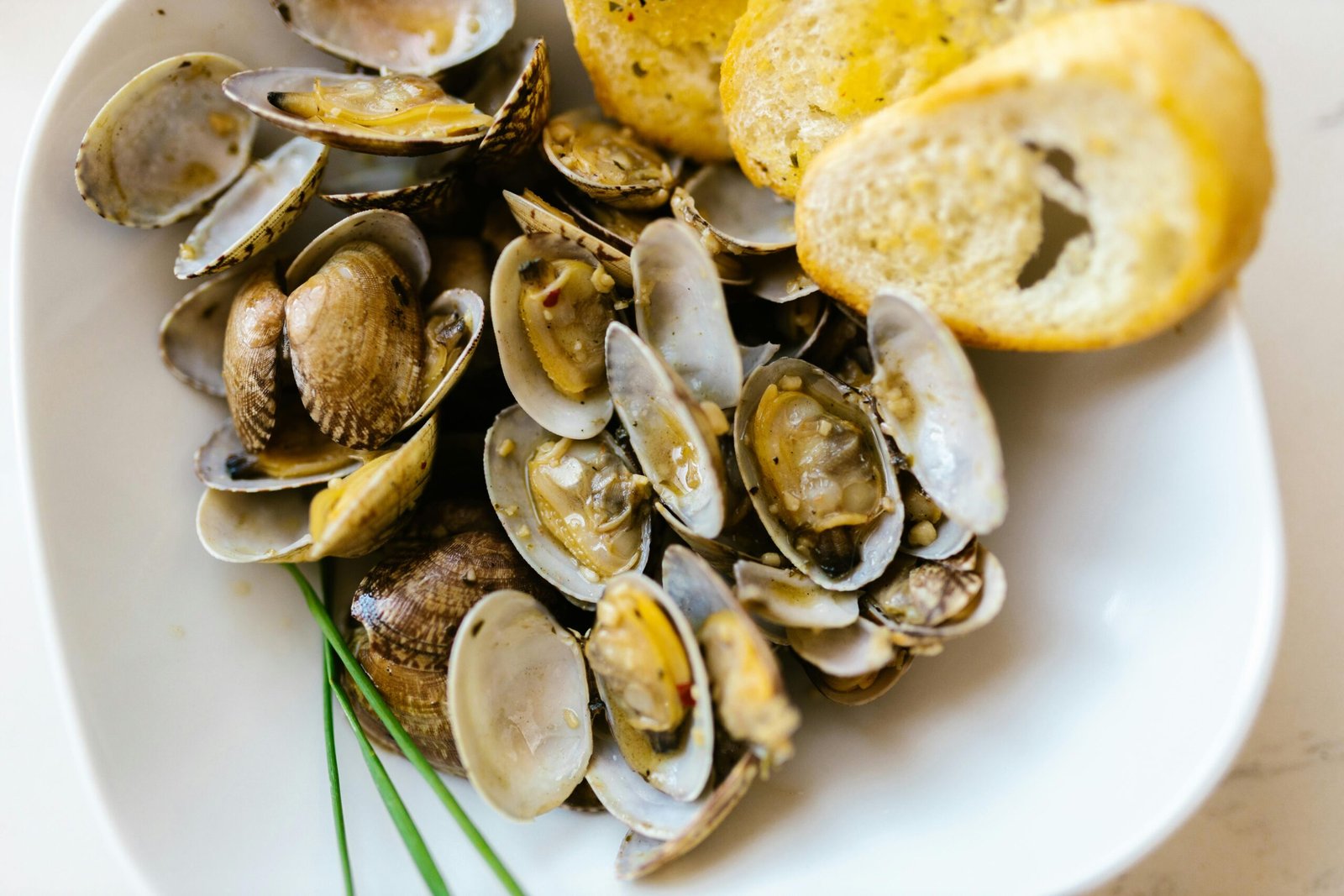
Galicia’s identity is inseparable from the Atlantic, and nowhere is that more obvious than in its shellfish culture. Cold, nutrient-rich waters along a deeply indented coastline produce some of the finest seafood in Europe. Shellfish here isn’t just restaurant food — it’s family gatherings, Sunday lunches, Christmas meals, and coastal festivals.
Some of the most emblematic Galician shellfish include:
- Zamburiñas (small scallops)
- Chipirones (small squid)
- Mejillones (mussels)
- Almejas (clams)
- Navajas (razor clams)
- Percebes (gooseneck barnacles)
In the Rías Baixas, you’ll see floating platforms called bateas, where mussels are cultivated. Percebes are harvested by hand from wave-battered rocks in difficult and dangerous conditions, which explains both their high price and their almost mythical status.
From simple steamed mussels to elaborate Christmas seafood feasts, mariscos are at the heart of Galician coastal life.
4. Tortilla de Betanzos
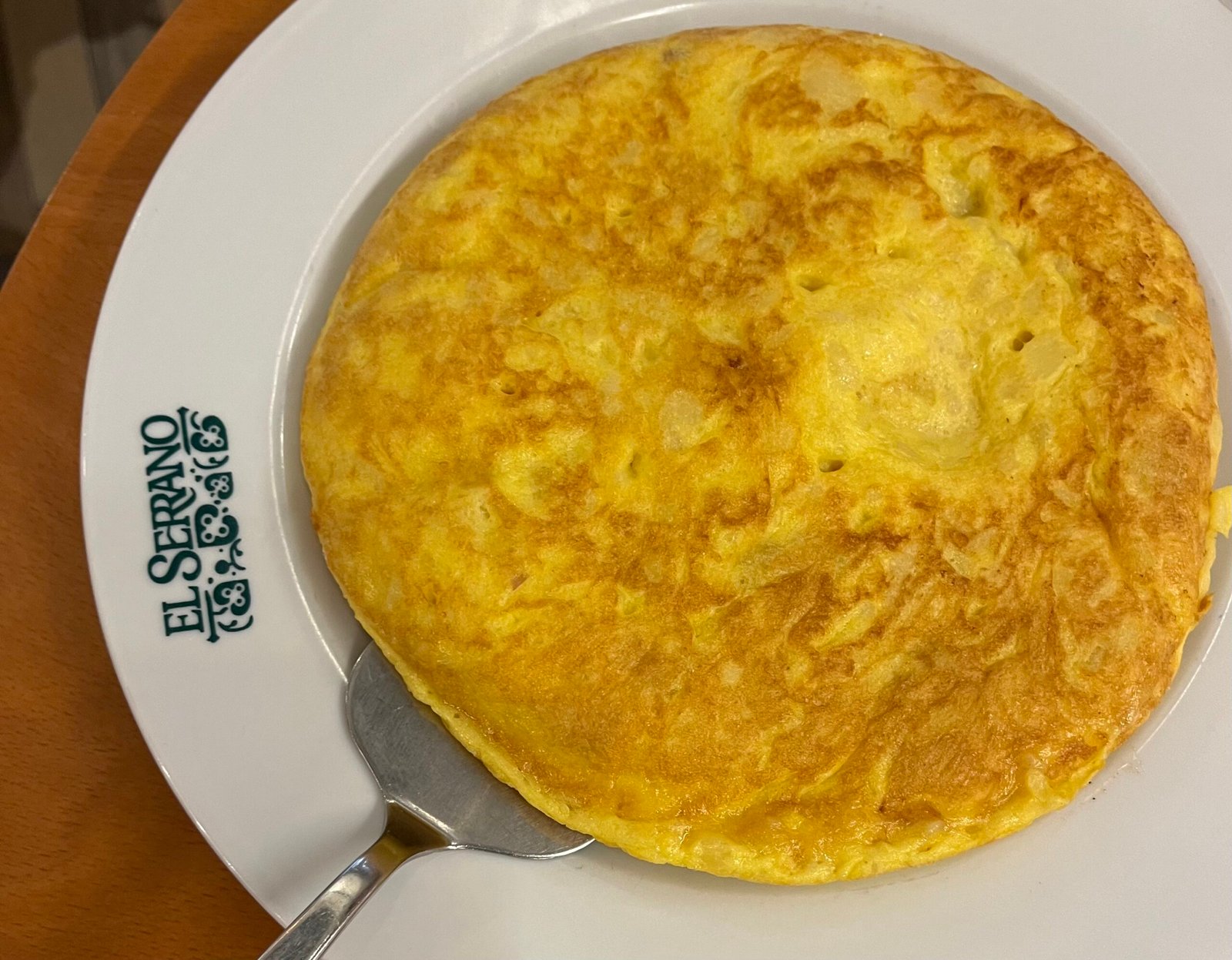
This legendary tortilla from the town of Betanzos is defined by:
- A custardy, almost liquid center
- No onions
- High-quality eggs
- Galician potatoes
It’s often cooked more briefly and, in some bars, with fat that gives it extra richness. When sliced open, the center spills onto the plate, and bread is essential for soaking it up.
Although it originated in Betanzos, this style of tortilla has spread widely — you can now find “tortilla estilo Betanzos” in bars and restaurants all over Galicia.
Many people consider it one of the best tortilla styles in Spain.
5. Tarta de Santiago
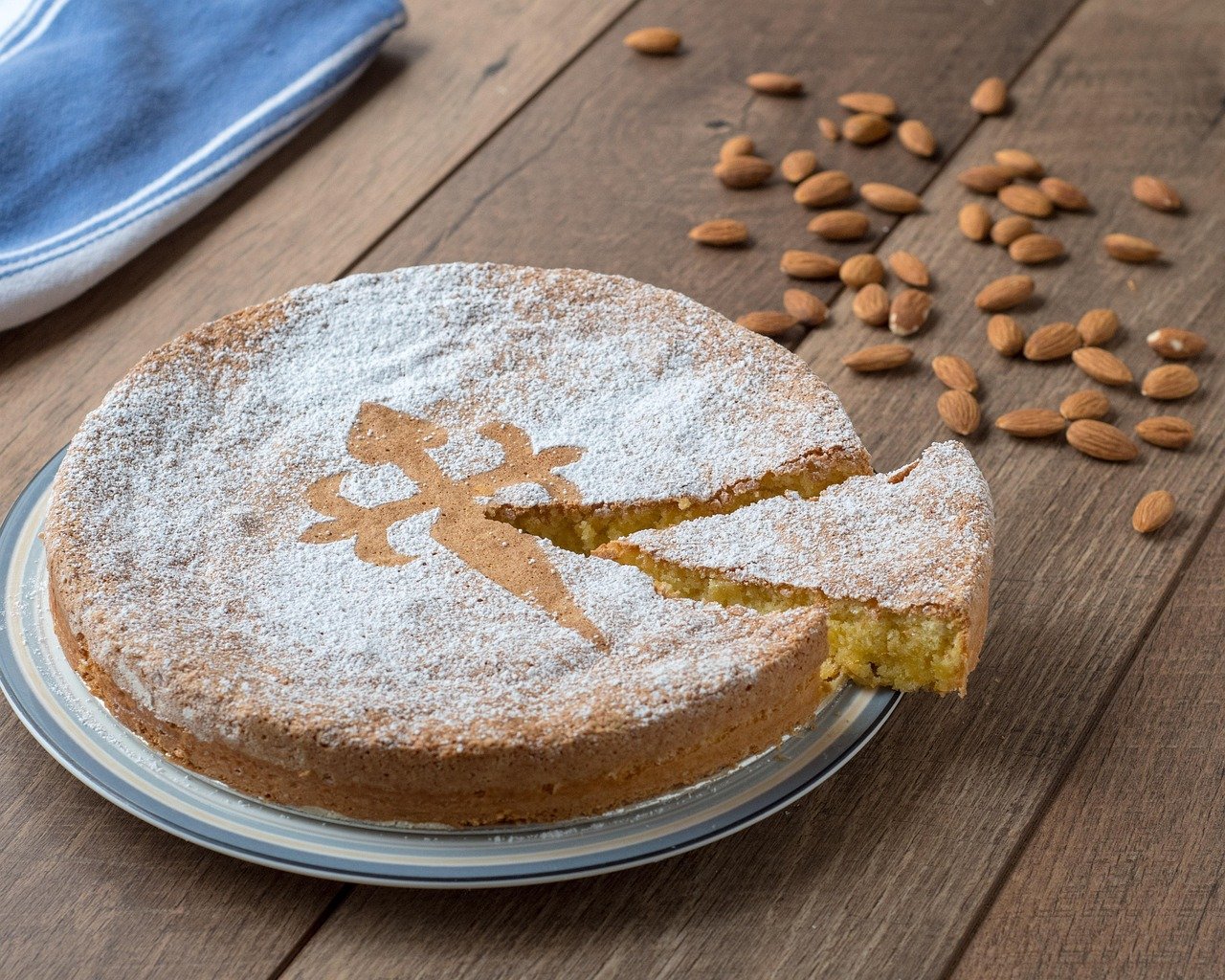
This medieval almond cake is one of Galicia’s most recognizable desserts. It is traditionally made from:
- Ground almonds
- Eggs
- Sugar
- A touch of citrus (often lemon zest)
The top is dusted with powdered sugar stenciled with the Cross of Saint James, tying it directly to Santiago de Compostela and the Camino. Light, fragrant, and gently sweet, it’s served year-round across the region and is a classic souvenir to take home.
6. Pimientos de Padrón
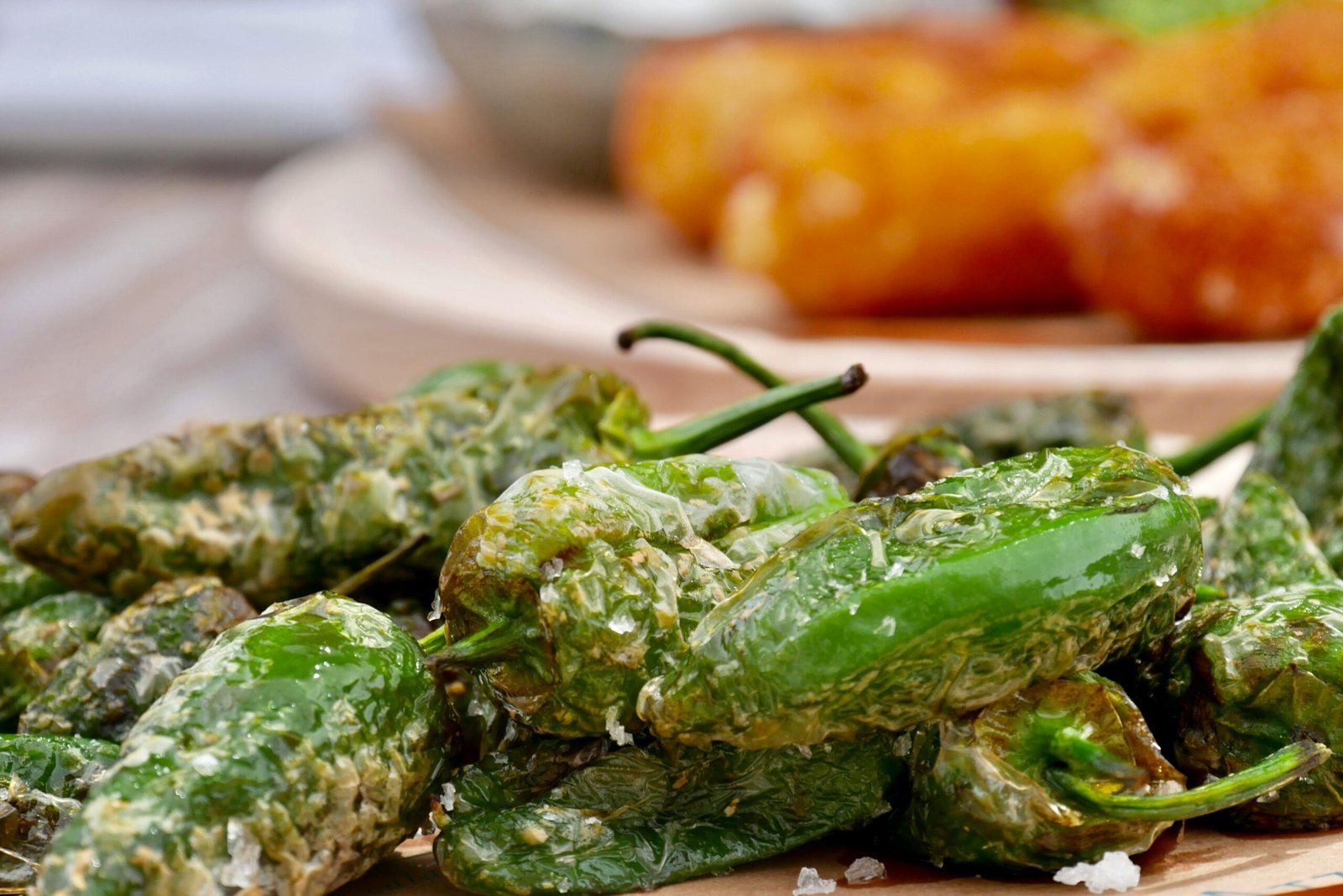
These small green peppers originate from the town of Padrón, near Santiago. They’re:
- Fried whole in olive oil
- Finished with coarse sea salt
- Usually mild, but some are spicy
Hence the famous saying:
“Pementos de Padrón, uns pican e outros non.”
(“Some are spicy, some are not.”)
Seasonality
- Peak season: roughly late spring through early autumn
- In high summer, the chance of getting a spicy one increases
You’ll find them as a tapa everywhere, usually shared at the table with beer, wine, or vermouth. They’re one of Galicia’s simplest and most addictive snacks.
7. Filloas
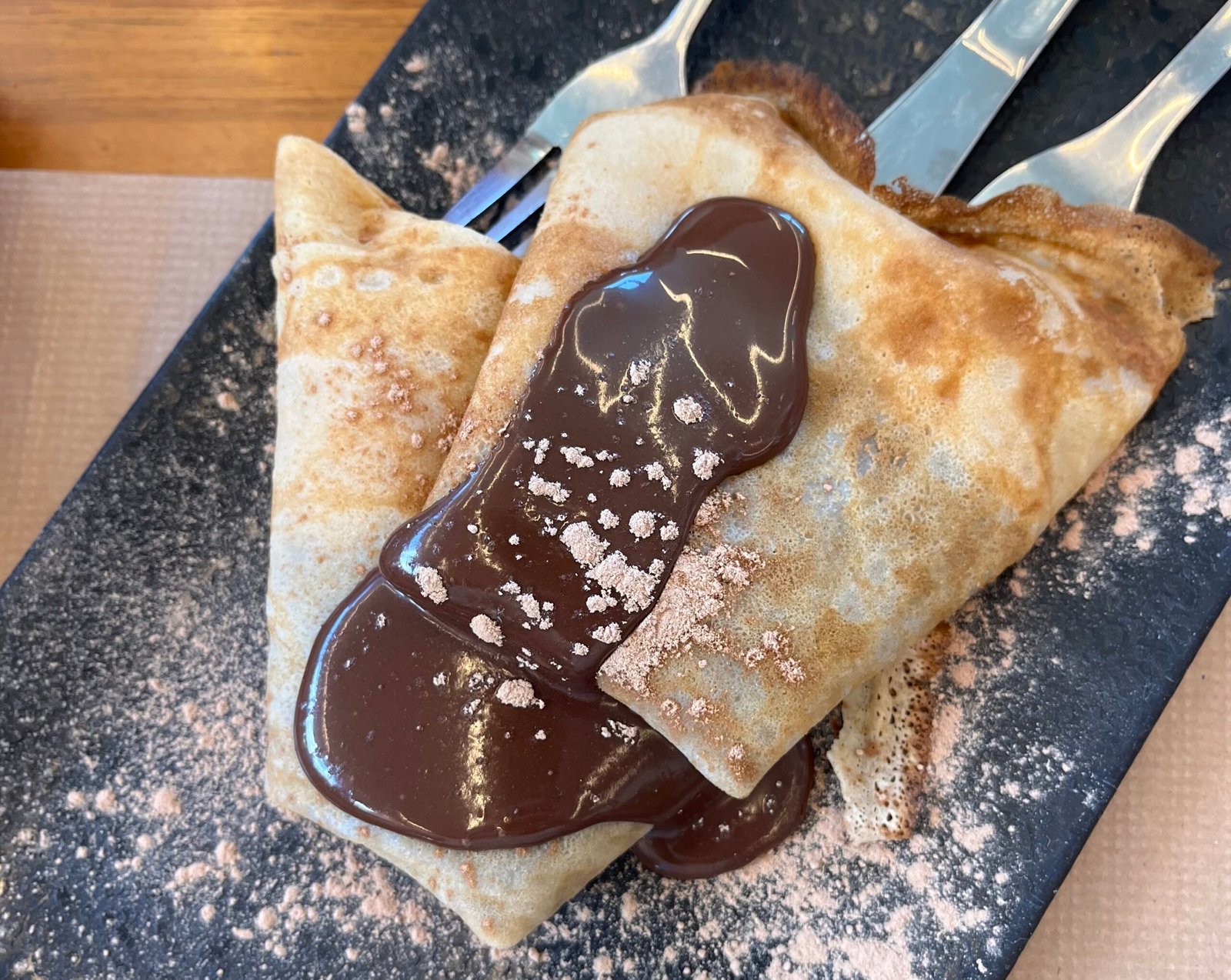
Filloas are one of Galicia’s oldest traditional foods and were historically linked to:
- Pig-slaughter season
- Carnival (Entroido)
- Winter rural cooking
They were originally made with:
- Milk
- Broth
- Or, in some areas, blood (for special occasions)
Today, you’ll most often find them:
- Sweet — with sugar, honey, cream, or chocolate
- Occasionally savory — filled with meats or stews
They’re a perfect example of Galicia’s resourceful rural kitchen: simple batter, many uses, and lots of family memory attached.
8. Raxo
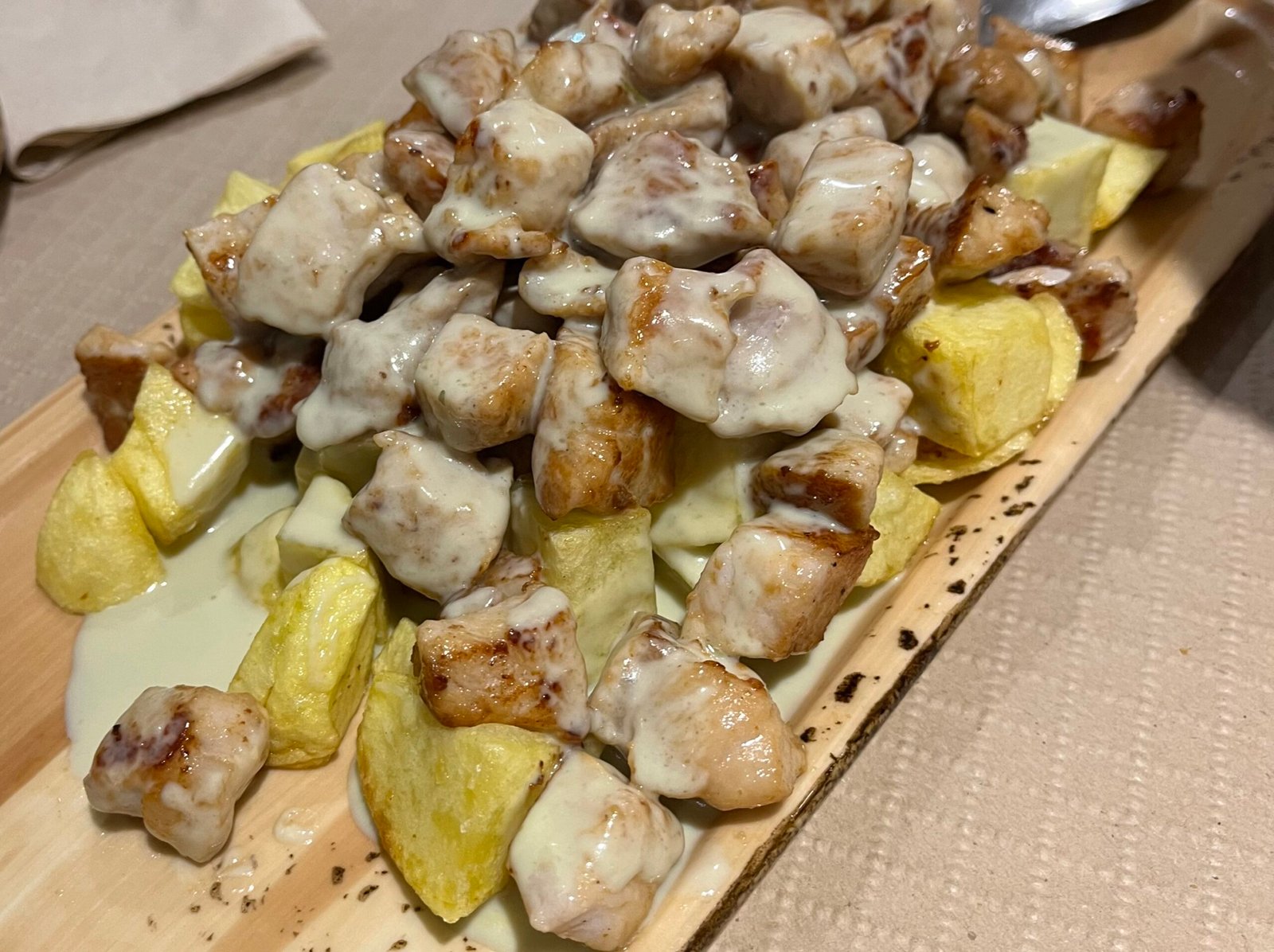
Raxo is marinated pork loin, usually seasoned with:
- Garlic
- White wine
- Olive oil
- Salt & pepper
The meat is cut into small pieces, grilled or pan-fried, and served hot with french fries. Some places add melted cheese or peppers on top. It’s one of Galicia’s most popular tapas and raciones, ideal for sharing with a group.
9. Zorza
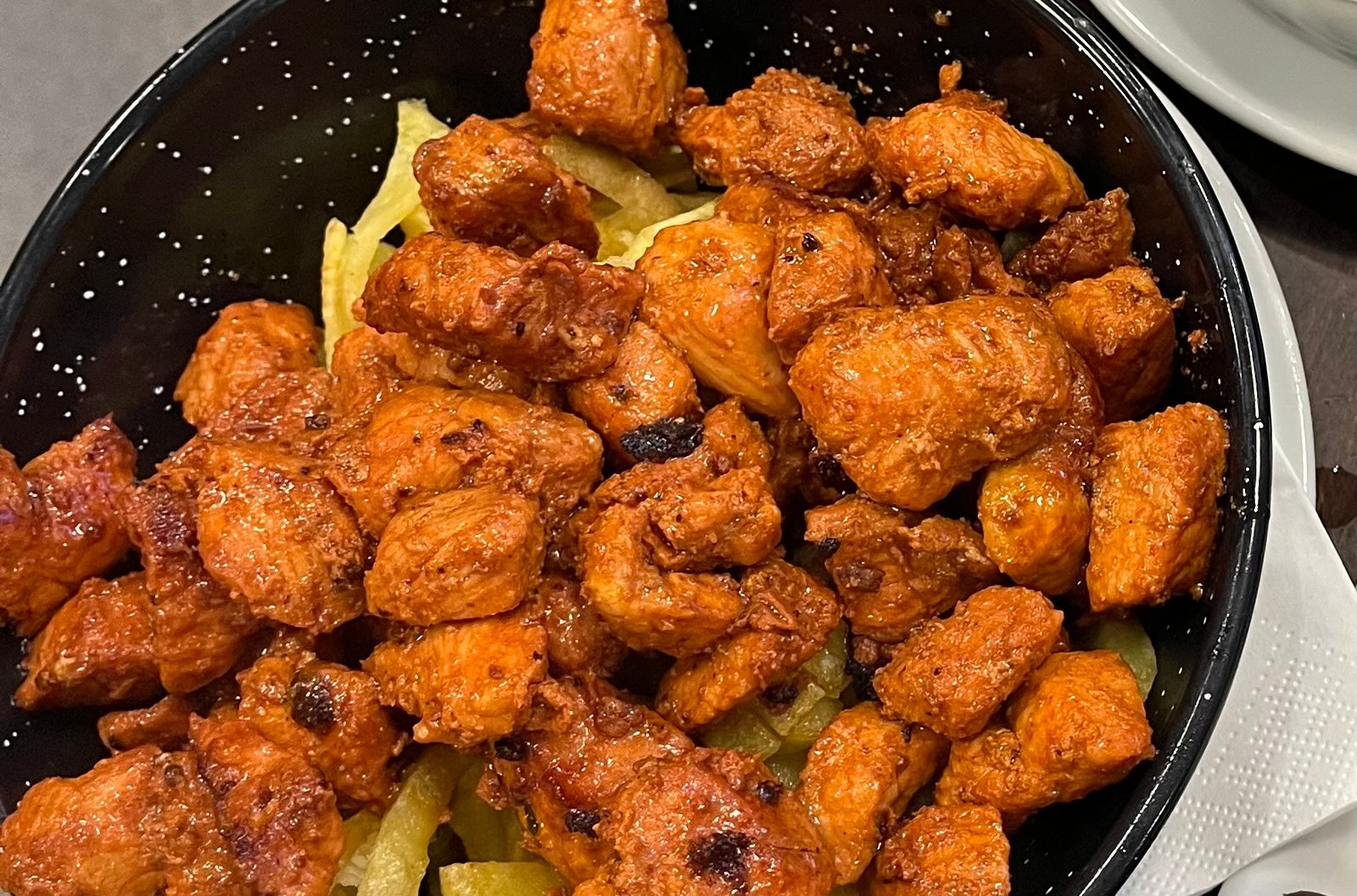
Zorza is made from small pieces of pork marinated heavily with:
- Paprika
- Garlic
- Vinegar
- Salt
It has a deeper, bolder, sometimes spicier flavor than raxo. You’ll see it served as a tapa with bread, and it’s also commonly used as a filling for empanadas. If you like the flavor of chorizo, zorza is very much in that family.
10. Lacón con Grelos
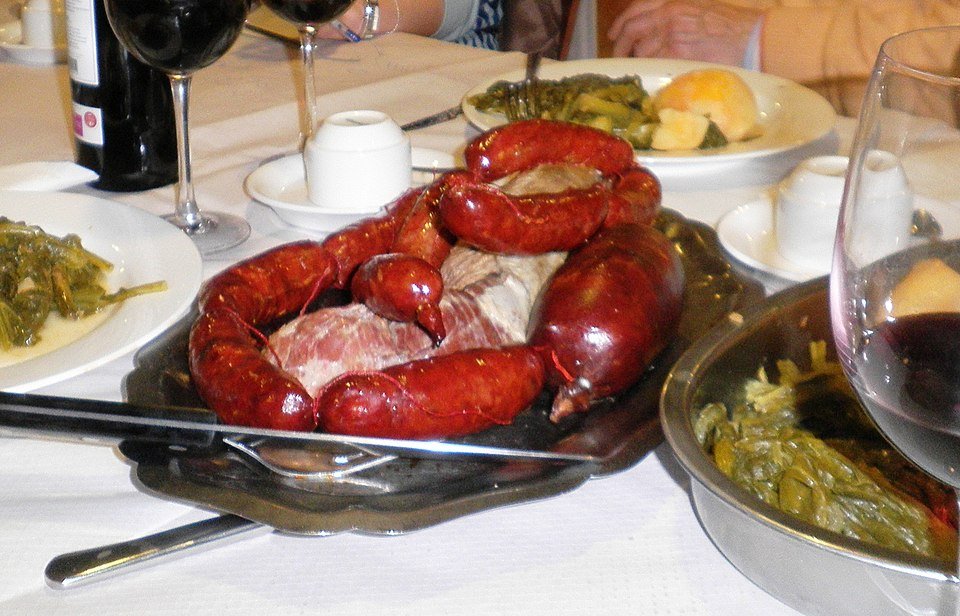
Lacón con grelos is a classic winter dish strongly associated with Entroido (Carnival) and traditional rural life. It consists of:
- Lacón (cured, then cooked pork shoulder or ham hock)
- Grelos (the leafy green tops of turnips)
- Potatoes
- Chorizo or similar sausage
Everything is gently boiled together, producing a deeply savory, comforting plate that’s perfect for cold weather and long family lunches. You’ll see it most often from January to March.
11. Caldo Gallego
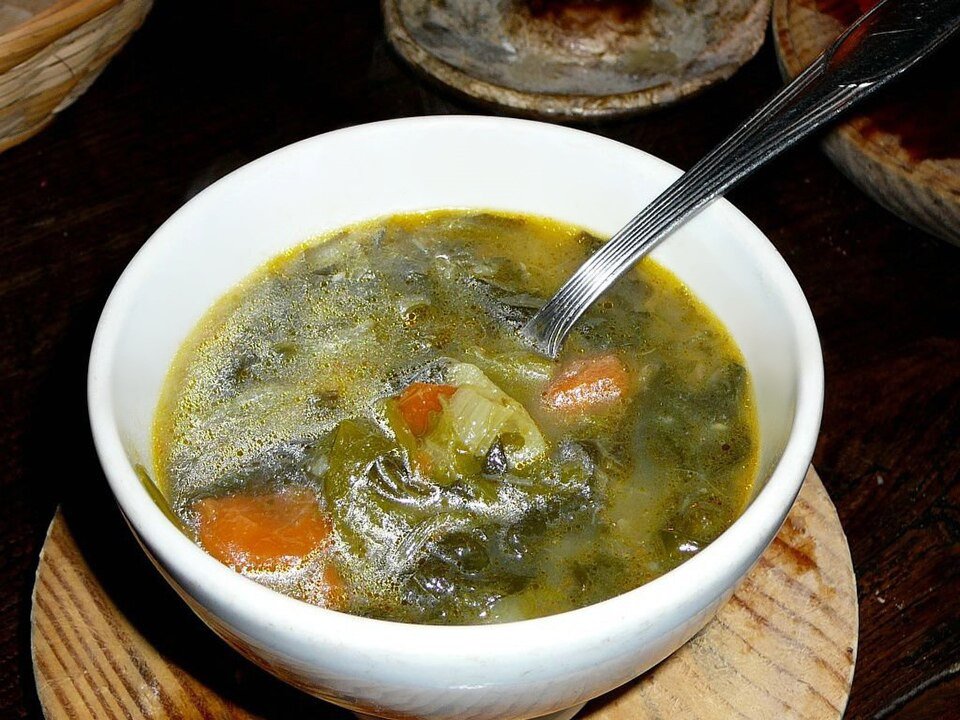
Caldo gallego is the ultimate Galician comfort soup. Originally a farmworker’s meal, it was designed to be filling, nutritious, and warming in a single bowl.
Traditional versions usually include:
- Grelos or other local greens
- Potatoes
- White beans
- Some form of pork (bone, fat, or meat)
- A slow-simmered broth
It’s most common in the colder months and especially on rainy days. If there is one dish that tastes like “home” to many Galicians, it’s this one.
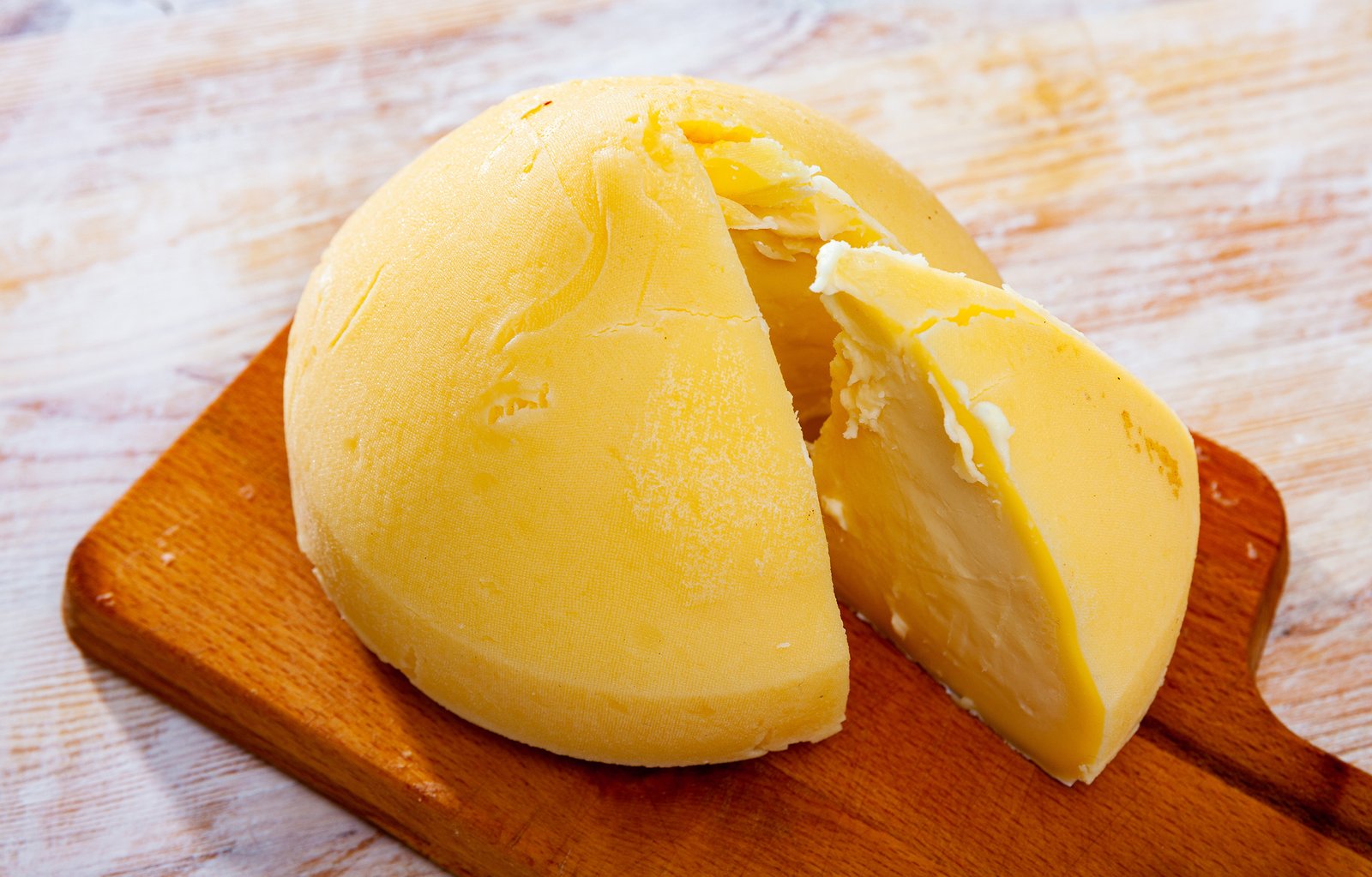
12. Queixo de Tetilla
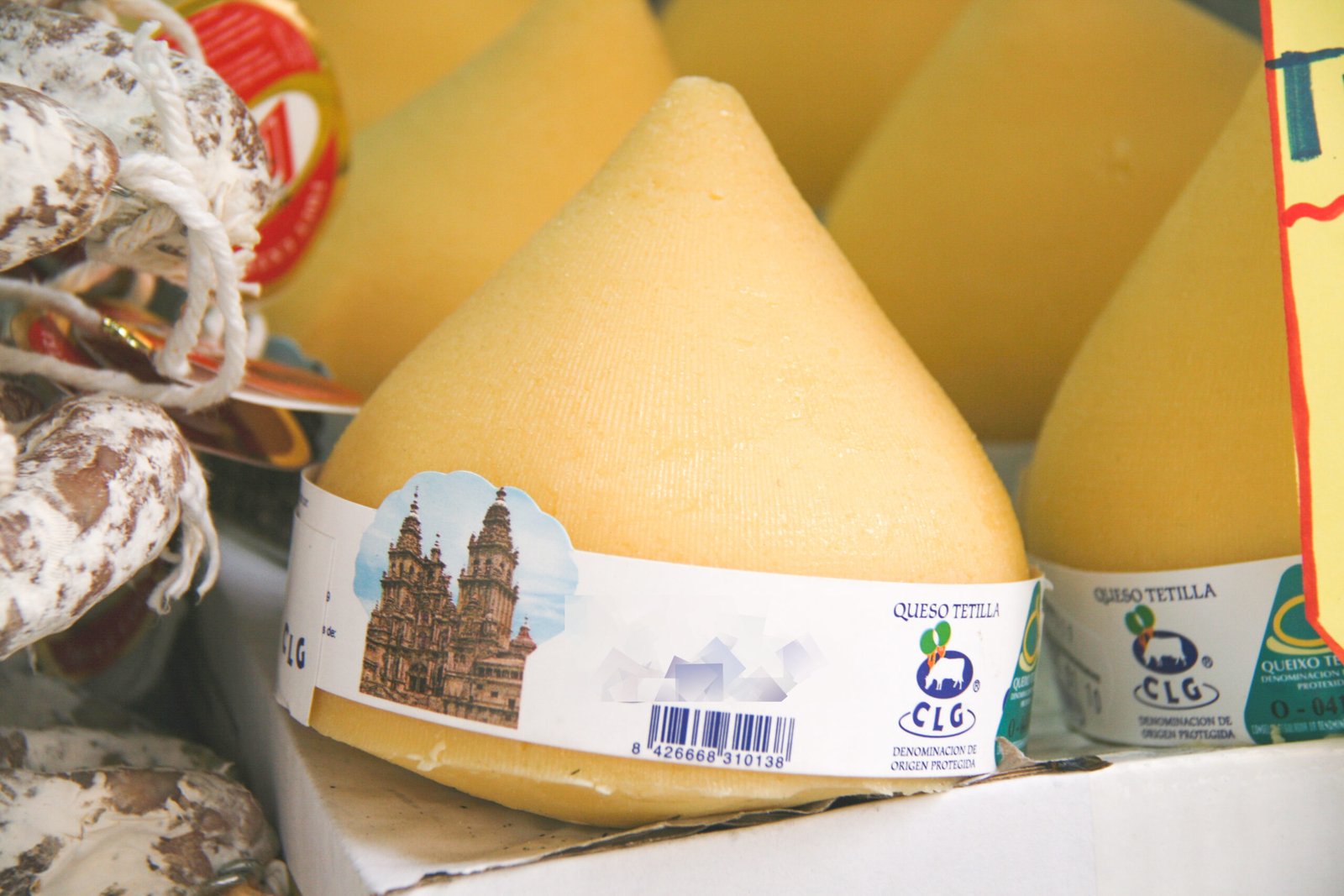
Queixo de Tetilla is one of Galicia’s protected Denomination of Origin cheeses. It’s:
- Soft
- Mild
- Creamy
- Slightly tangy
It’s traditionally served with:
- Quince paste (membrillo)
- Crusty bread
- A glass of white wine (often Albariño or Godello)
Named for its distinctive breast-like shape, it’s one of the most iconic cheeses in Galicia and almost always appears on local cheese boards.
13. Vieiras (Galician Scallops)
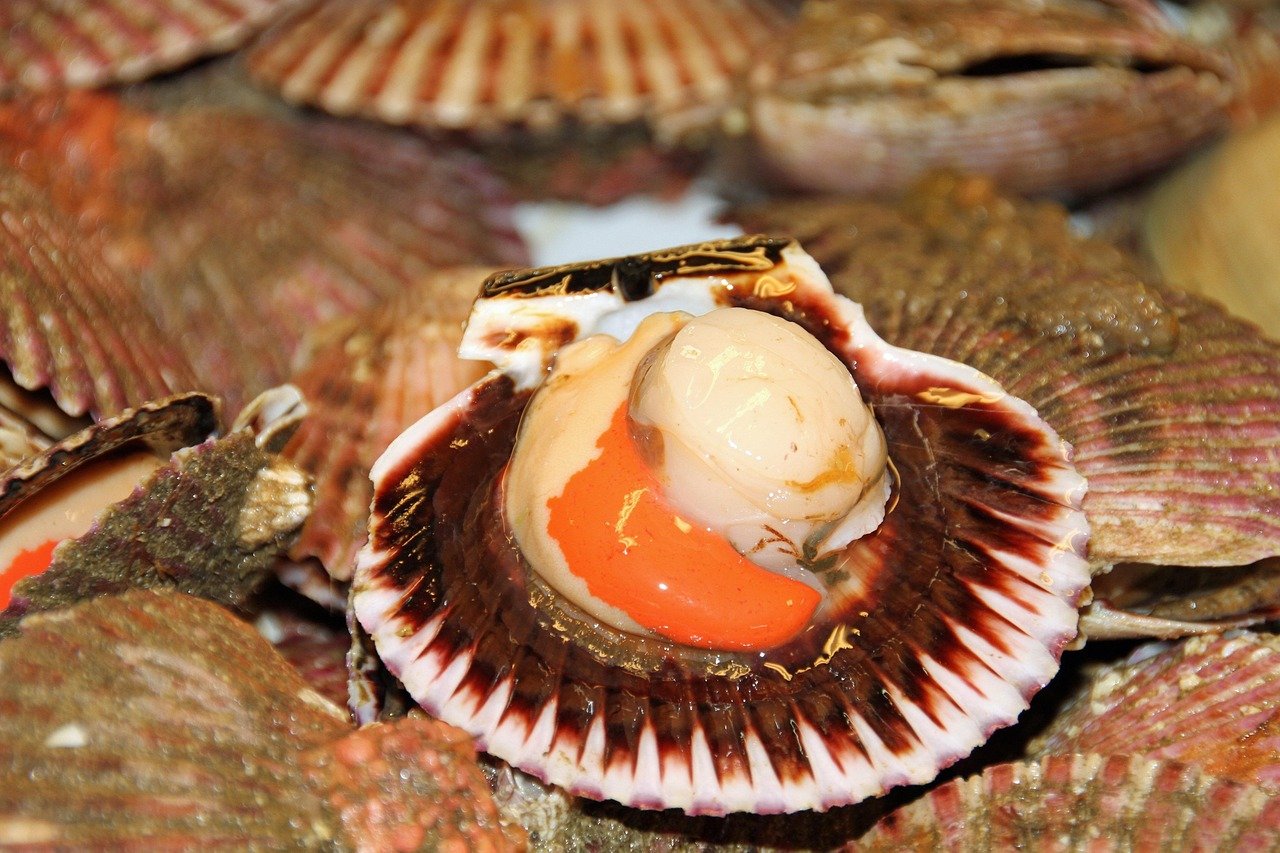
Vieiras are one of the most symbolic dishes in all of Galicia — both culinary and spiritual. The scallop shell became the universal symbol of the Camino de Santiago, carried by pilgrims for centuries.
A popular dish is prepared by baking the scallop in its shell with:
- Onion
- Breadcrumbs
- Ham
- White wine
You’ll find this dish most famously in Santiago de Compostela. It connects medieval pilgrimage with modern Galician cuisine.
*Why aren’t vieiras listed under “Mariscos” above?
Technically, scallops are of course part of Galicia’s shellfish world. But vieiras have such strong symbolic ties to Santiago and the Camino that they deserve their own place on this list as a standalone iconic dish, rather than just another entry in the general mariscos category.
14. Ternera Gallega
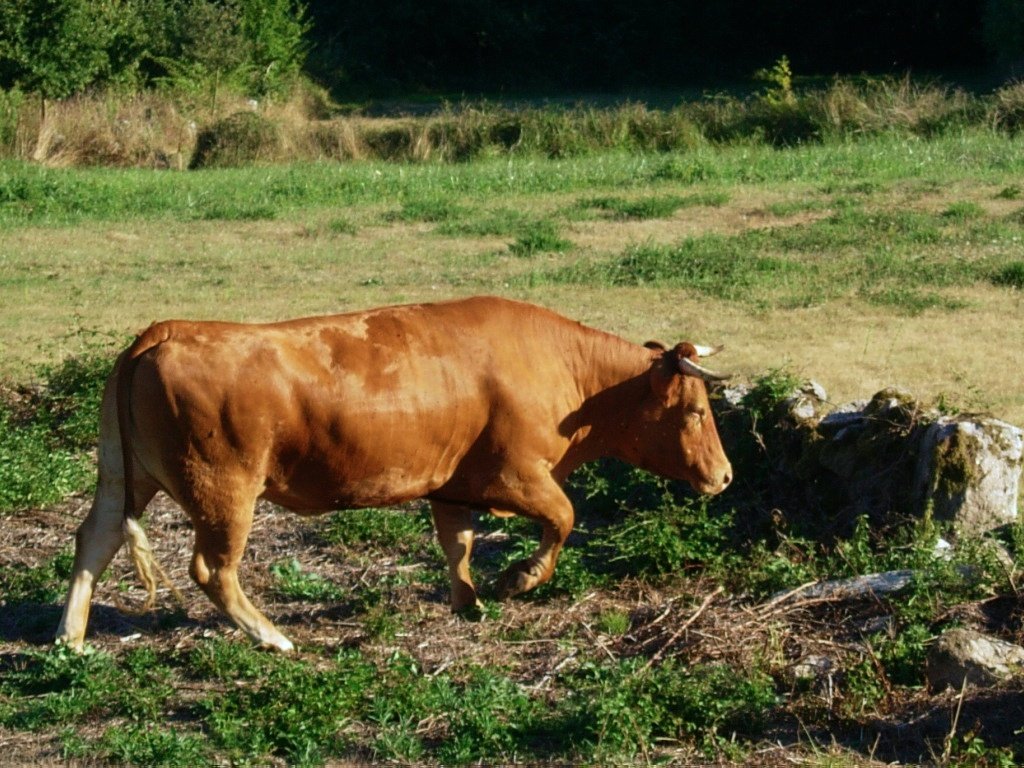
Ternera Gallega is beef produced in Galicia under a protected Indicación Geográfica Protegida (IGP). It comes primarily from small family farms and is closely tied to the region’s rural traditions.
The meat is known for being:
- Tender
- Juicy
- Mild in flavor
It’s usually prepared very simply—grilled or cooked quickly on a hot plate—so the quality of the beef stands on its own. Chef Gordon Ramsay has repeatedly pointed to Galician beef as among the best in the world, a reputation built on careful farming, pasture-based diets, and consistent quality.
In a region famous for seafood, ternera gallega represents Galicia’s strong inland and agricultural food culture.
15. Merluza a la Gallega
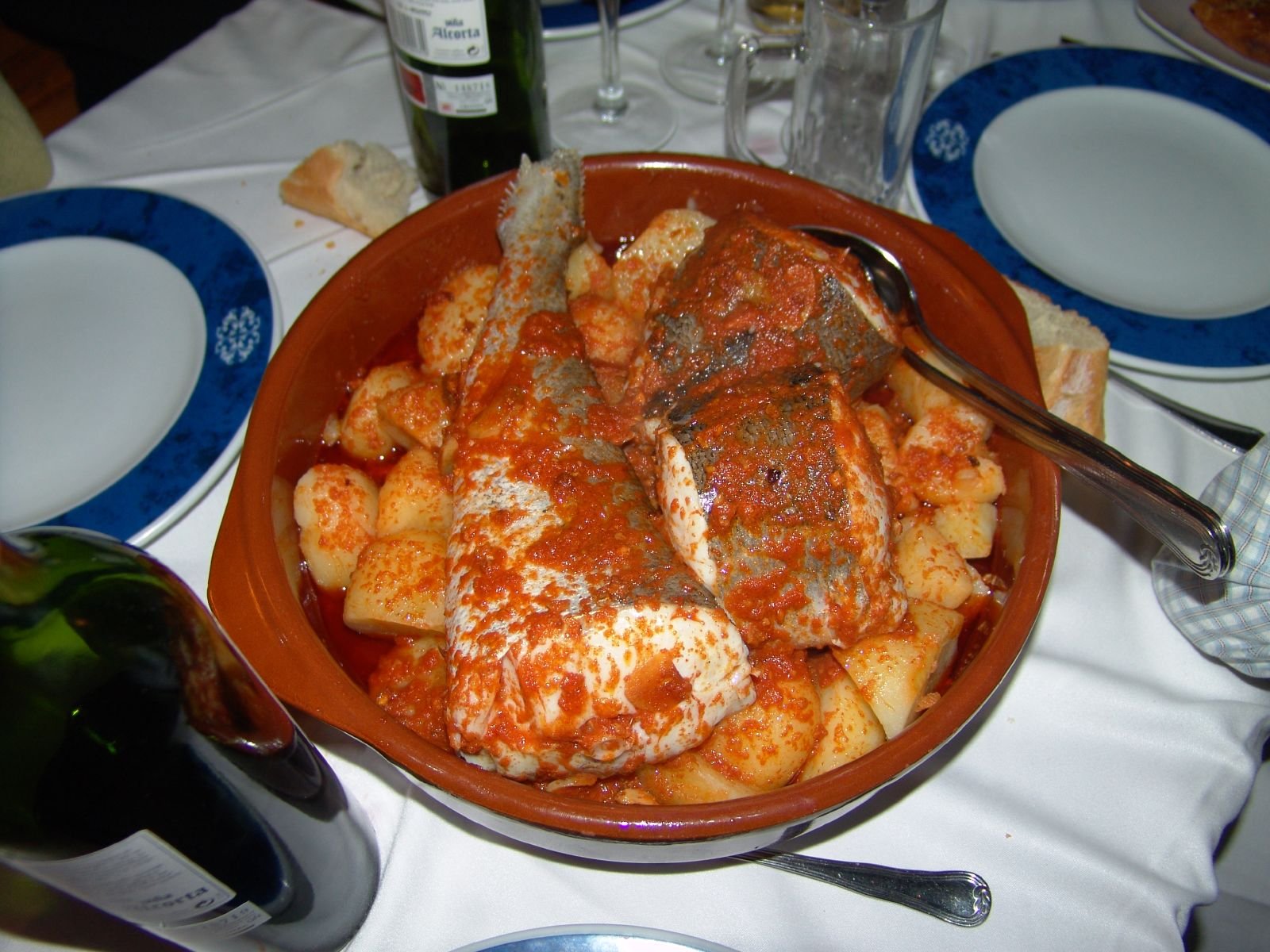
Merluza a la gallega is a classic Galician preparation of hake, one of the most common fish in local cooking. The dish reflects the region’s preference for clarity and restraint.
It is traditionally served with:
- Boiled potatoes
- Olive oil
- Garlic
- Paprika
Sometimes onions are added, but the base preparation remains simple. You’ll find this dish in homes, traditional restaurants, and everyday lunch menus across Galicia.
Related Reading
What is Galician Cuisine? A Complete Beginner’s Guide
Galician Food vs. Spanish Food: What Makes It Unique?

Best Restaurants in Ferrol (2026)
Galician Seafood: Why It’s Considered the Best in Europe